Mental Exercise Benefits of Word Hunts for Seniors
Engaging in word search puzzles provides a valuable mental workout for seniors, offering numerous cognitive benefits supported by scientific research. These puzzles require concentration, memory, and problem-solving skills, which help maintain and even enhance cognitive functions.
Cognitive Engagement: Word search puzzles stimulate multiple cognitive processes, including attention, pattern recognition, and memory recall. This mental exercise helps maintain neural connections and supports brain health. Regular engagement in such mentally stimulating activities can delay cognitive decline and potentially reduce the risk of developing dementia and Alzheimer’s disease. A study published by the University of Exeter found that seniors who regularly engage in word puzzles have brain functions comparable to individuals ten years younger (ScienceDaily, 2019).
Memory Improvement: Research indicates that regularly solving word search puzzles can improve short-term memory. A study conducted by the University of Exeter and King’s College London discovered that seniors who frequently participated in word games had memory and reasoning skills equivalent to those of people eight to ten years younger (ScienceDaily, 2019). This improvement in memory function is crucial for maintaining independence and quality of life in older adults.
Problem-Solving Skills: Word searches enhance problem-solving abilities by requiring individuals to search for solutions methodically. This type of cognitive challenge can translate to improved problem-solving skills in real-life scenarios, helping seniors manage everyday tasks more effectively (Aged Care Guide, 2022).
Therapeutic and Emotional Benefits: The act of focusing on a word puzzle can be therapeutic, reducing stress and anxiety by providing a mental distraction from daily worries. Engaging in puzzles also promotes the release of dopamine, the “feel-good” hormone, which enhances mood and provides a sense of accomplishment (Word Search Battle, 2022).
Long-Term Brain Health: Consistently exercising the brain through word puzzles helps build cognitive reserve, making the brain more resilient to age-related changes. Dementia advocacy groups recommend such activities as a preventative measure against the development and progression of dementia (Aged Care Guide, 2022).
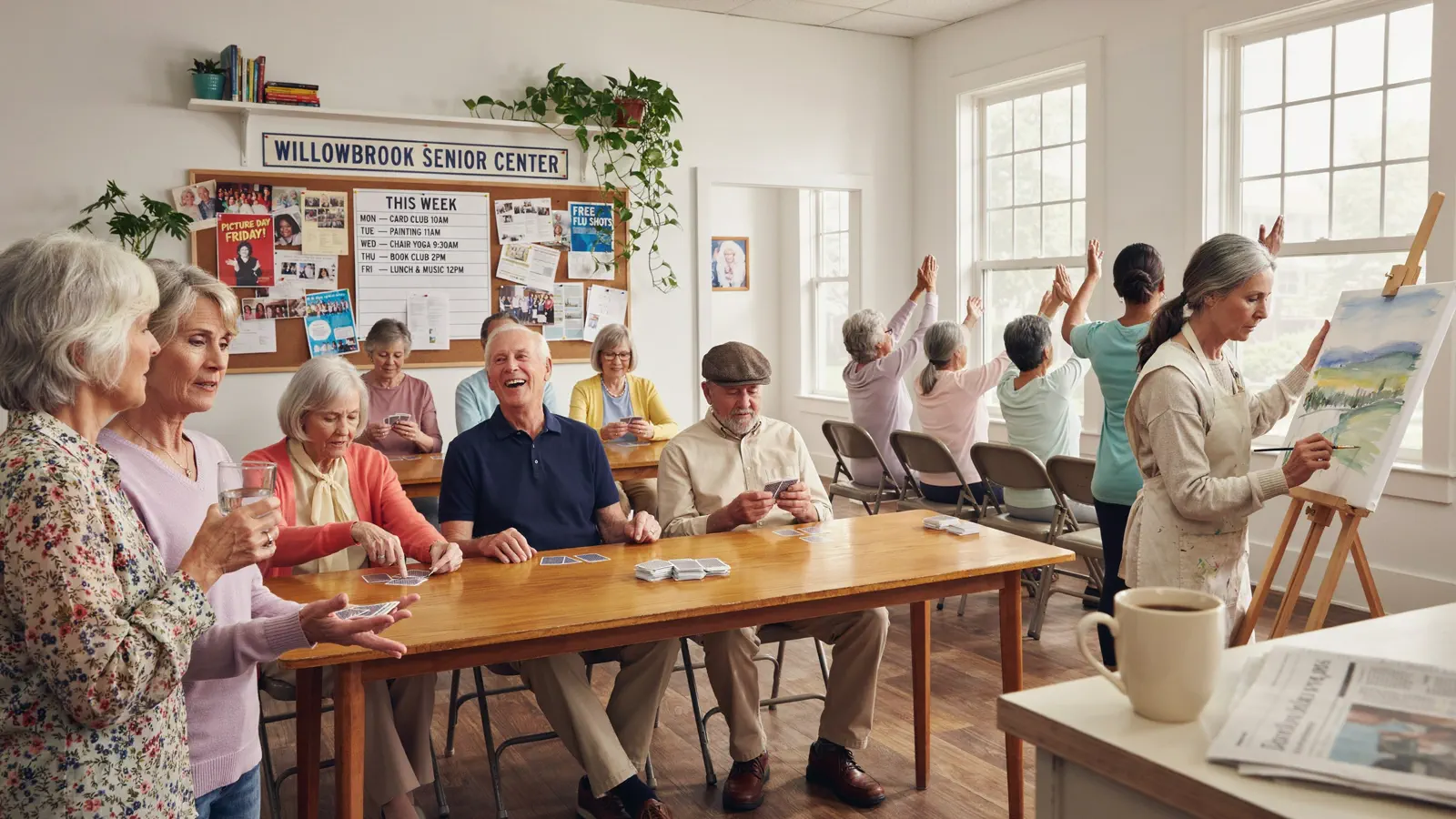
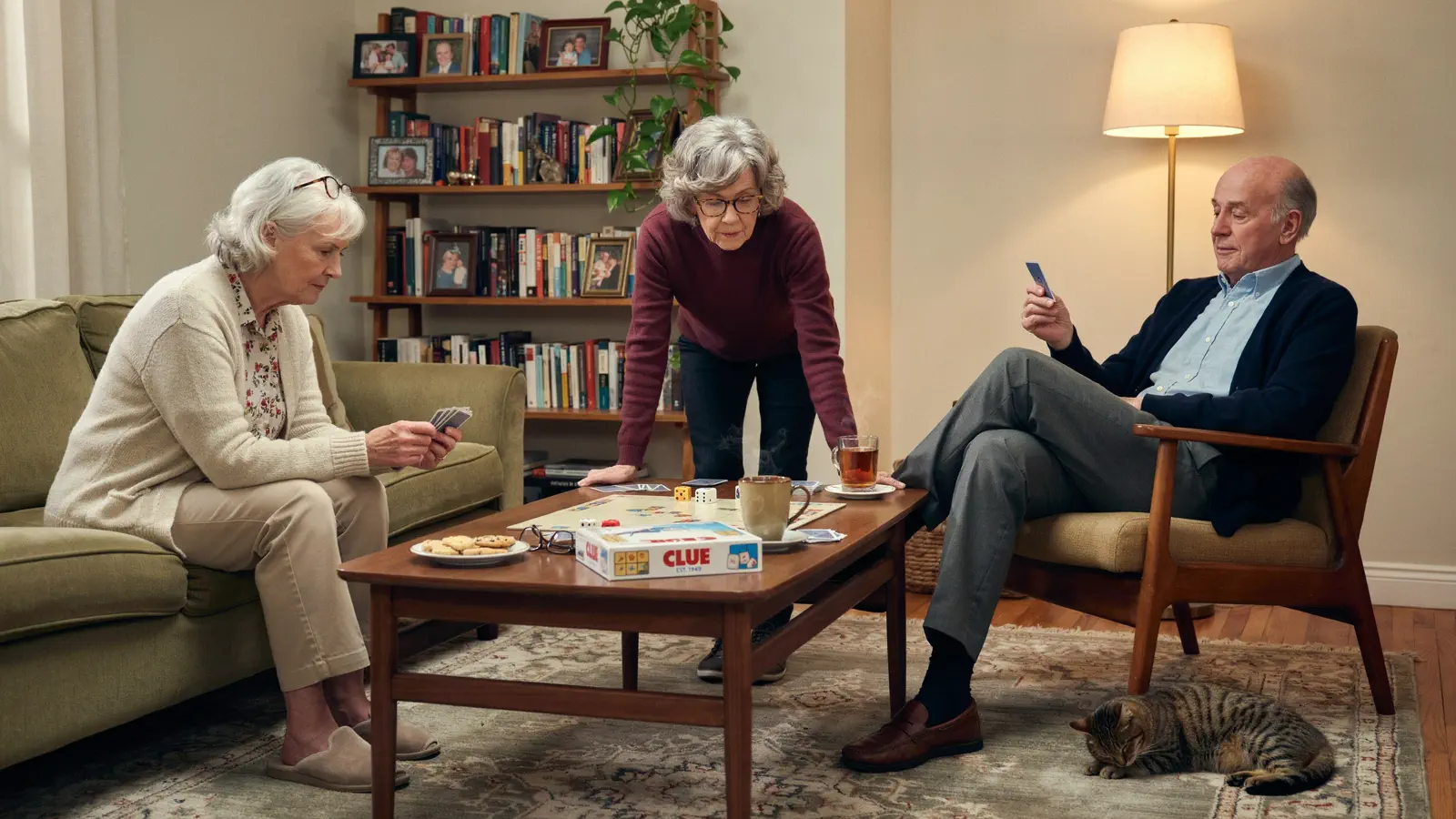
Social Interaction: Word searches can also serve as a social activity, providing opportunities for seniors to engage with peers and family members. This social interaction is vital for emotional well-being and can help reduce feelings of loneliness and isolation (Gamesver, 2022).
In summary, word search puzzles are a fun and effective way to keep the brain active and healthy. By regularly engaging in these puzzles, seniors can enjoy improved cognitive function, enhanced memory, reduced stress, and increased social interaction, all of which contribute to a better quality of life.
Sources: