Spain offers a perfect blend of rich culture, spectacular architecture, delicious cuisine, and pleasant weather, making it an ideal destination for senior travelers. From well-preserved historic centers to modern amenities and excellent transportation systems, Spain caters well to older visitors seeking both comfort and cultural immersion. Based on current information, here are the top three cities that provide the best combination of safety, accessibility, and enjoyable experiences for seniors.
1. Barcelona: The Catalan Capital
Safety Rating: 8/10
Description: Barcelona is generally a safe city for tourists, particularly in the main areas frequented by visitors. The city has good policing in tourist zones, though seniors should remain vigilant about pickpocketing in crowded areas and on public transportation. According to The Economist’s safety ranking, Barcelona comes “in 21st in the world for overall safety,” putting it ahead of many major American cities. Evening walks in well-lit areas like the Gothic Quarter, La Rambla, and the waterfront are generally safe, though it’s advisable to remain aware of your surroundings.
Accessibility Rating: 9/10
Description: Barcelona stands out as one of Europe’s most accessible cities for seniors with mobility concerns. The city is described as “a wheelchair accessible dream” with “a wide variety of accessible attractions, things to do, transportation, and hotels.” The public transportation system is highly accessible, with around “90% of Barcelona’s metro stations” being accessible, and “100% accessible” local buses. Many of the major attractions have been adapted for visitors with mobility limitations, and the city’s relatively flat central areas make it easier to navigate.
Where to Stay
Eixample District: Central location with wide, grid-patterned streets and good accessibility
Gothic Quarter: Historic heart of the city, though some narrow streets may present challenges
Barceloneta: Seafront area with beach access and flat terrain
El Born: Charming neighborhood close to major attractions with many restaurants
Senior-Friendly Hotels:
NH Collection Barcelona Constanza (4-star) – Modern hotel with accessible rooms and good transportation connections
Hotel Catalonia Plaza Catalunya (4-star) – Central location with accessible facilities
Barcelona Princess (4-star) – Features amenities like a “pool, terrace, buffet restaurant and downtown location.”
Hotel Almanac Barcelona (5-star) – Located in the city center with excellent accessibility features
Weather Throughout the Year
Month
Average Temperature (°C)
Rainfall
Notes
January
7-12°C (45-54°F)
Low-Medium
January is the “month with the lowest average high temperature” at 12.4°C.
February
7-14°C (45-57°F)
Low
February is the “driest month” with only 16mm of rainfall.
March
9-16°C (48-61°F)
Medium
Spring begins, temperatures improving
April
11-18°C (52-64°F)
Medium
Pleasant spring weather
May
14-22°C (57-72°F)
Medium
Warm days, great for sightseeing
June
18-25°C (64-77°F)
Low
Summer begins, consistently warm
July
21-28°C (70-82°F)
Very Low
Hot but not extreme, good beach weather
August
22-28°C (72-82°F)
Low
August is the “warmest month” with an average high temperature of 27.5°C.
September
19-25°C (66-77°F)
Medium-High
Pleasant temperatures, some rain possible
October
15-22°C (59-72°F)
High
October is the “month with the most rainfall” with 73mm accumulated.
November
11-17°C (52-63°F)
Medium
Cooling temperatures, moderate rain
December
8-14°C (46-57°F)
Medium
Winter begins, cooler with some rain
What to Pack
Comfortable walking shoes for exploring the city
Layered clothing that can adjust to temperature changes
Light raincoat or umbrella, especially for fall visits
Sun protection (hat, sunglasses, sunscreen) for summer months
Light jacket for evenings, even in summer
Modest attire for visiting churches (shoulders and knees covered)
Tote bag for carrying daily essentials and shopping
Any necessary medications and copies of prescriptions
Travel adapter for electronics
Small water bottle for staying hydrated
Best Activities and Things to Do
Sagrada Familia: Gaudí’s masterpiece with excellent accessibility features, elevators, and wheelchair access
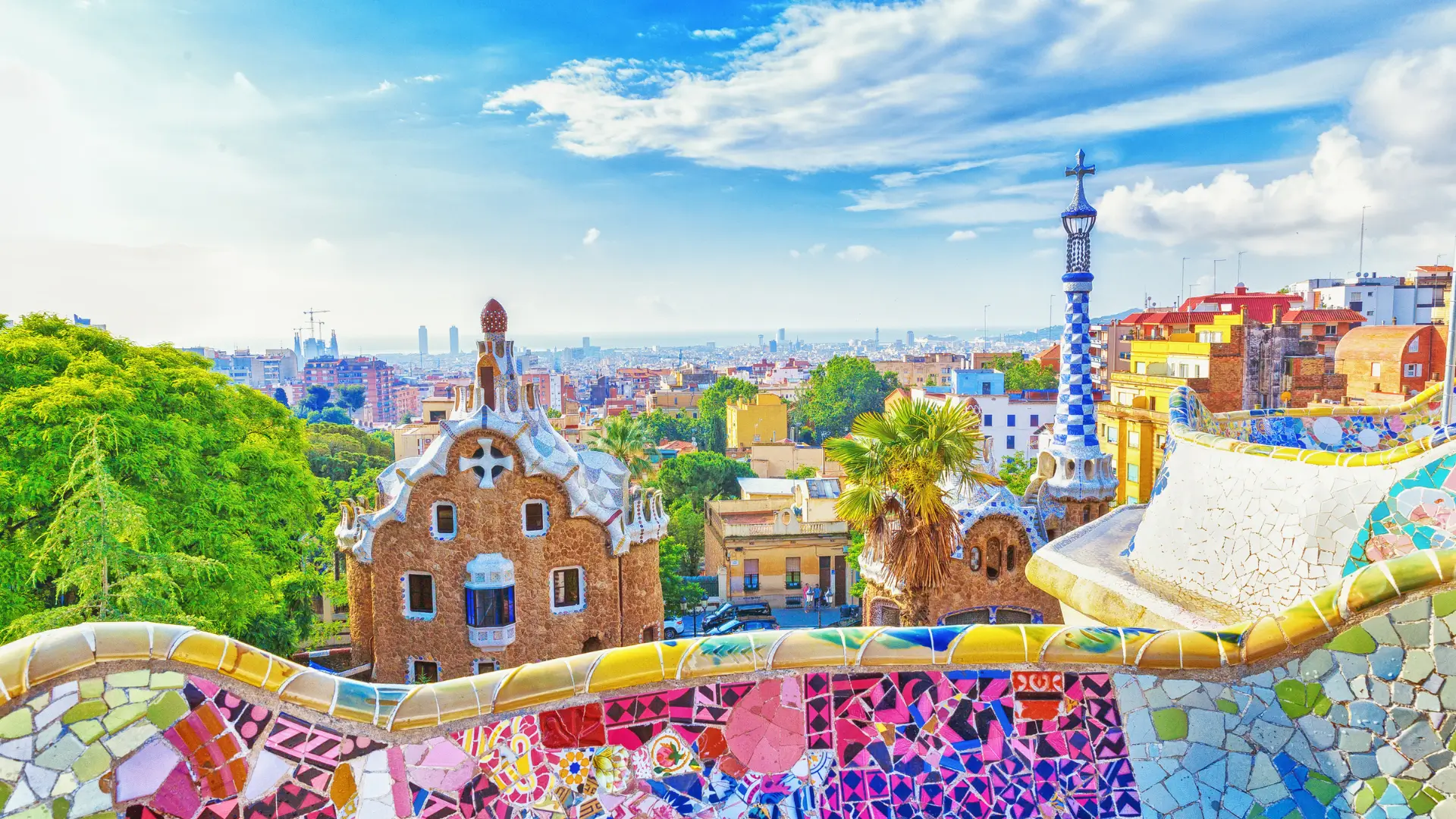
Park Güell: One of Barcelona’s “beautiful gardens and parks” that’s “perfect for seniors seeking relaxation amidst nature.”
Gothic Quarter Walking Tour: Accessible tours with “Gothic Quarter walks” designed for seniors.
La Boqueria Market: Experience local food culture in this famous market
Barcelona Cathedral: Historic church with accessible entrance and facilities
Beach Promenade: Take time to “stroll along the accessible beachfront promenade” for fresh air and sea views.
Picasso Museum: Housed in medieval palaces with good accessibility
Montjuïc Cable Car: Scenic views with accessible cable car transportation
Food Tour: Experience authentic Catalan cuisine on a guided tour
Poble Espanyol: Open-air architectural museum featuring Spanish architectural styles
3-Day Itinerary
Day 1: Gaudí Masterpieces
Morning: Leisurely breakfast at your hotel
Mid-Morning: Visit to Sagrada Familia (pre-book accessible tour)
Lunch: Meal at a restaurant near the basilica
Afternoon: Rest at hotel during hottest part of the day
Late Afternoon: Visit Casa Batlló or Casa Milà (both have elevators)
Evening: Dinner in the Eixample district
Day 2: Historic Barcelona
Morning: Gothic Quarter guided walking tour (slower-paced for seniors)
Lunch: Meal at a traditional restaurant in the Gothic Quarter
Afternoon: Rest at hotel
Late Afternoon: Visit to the Picasso Museum
Evening: Dinner and people-watching along Las Ramblas
Day 3: Barcelona’s Natural Side
Morning: Visit to Park Güell (accessible transport available)
Lunch: Picnic in the park or nearby restaurant
Afternoon: Rest at hotel
Late Afternoon: Leisurely stroll along the beachfront promenade in Barceloneta
Evening: Farewell seafood dinner with views of the Mediterranean
2. Seville: Andalusian Charm
Safety Rating: 9/10
Description: Seville is one of the safest cities in Spain for tourists and offers a secure environment for senior travelers. According to “crime statistics from the Spanish Ministry of Interior, the safest cities in Spain are Granada, Murcia, and Malaga,” with Seville also ranking high on safety metrics. The city center is well-patrolled, and violent crime is extremely rare. The main concerns for seniors are pickpocketing in busy tourist areas and occasional scams targeting visitors, though these can be avoided with basic precautions.
Accessibility Rating: 7/10
Description: While Seville’s historic center features some cobblestone streets that may present challenges, many areas have been made more accessible in recent years. The city’s “more recently constructed metro network” has “accessibility guaranteed” for visitors with mobility limitations. The main tourist attractions are relatively close to each other, allowing for easier exploration. Most major sites like the Cathedral and Alcazar have implemented accessibility improvements, though some historical buildings still have limitations due to their age and protected status.
Where to Stay
Santa Cruz: Historic center with charm, though some narrow streets
El Arenal: Close to major attractions with better accessibility
Triana: Authentic neighborhood across the river, more residential feel
Alameda: Lively area with wide boulevards and good dining options
Senior-Friendly Hotels:
Hotel Fernando III (4-star) – Located in Santa Cruz with accessible rooms
Melia Sevilla (4-star) – Modern hotel with good accessibility features
NH Collection Sevilla (4-star) – Spacious rooms and accessible facilities
Hotel Alfonso XIII (5-star) – Luxury option with excellent service and accessibility
Weather Throughout the Year
Month
Average Temperature (°C)
Rainfall
Notes
January
6-16°C (43-61°F)
Medium
Winter temperatures range from “5.7°C (42.3°F) to 16°C (60.8°F).”
February
7-17°C (45-63°F)
Medium
Temperatures are “slightly warmer in the south” of Spain.
March
9-21°C (48-70°F)
Medium
Spring begins, comfortable temperatures
April
11-23°C (52-73°F)
Medium
Pleasant spring weather, ideal for sightseeing
May
14-27°C (57-81°F)
Low
May is considered “the best time to visit Seville” based on average weather conditions.
June
17-32°C (63-90°F)
Very Low
Getting hot, early morning and evening activities best
July
20-36°C (68-97°F)
Very Low
July is “the least humid month” with only “44% relative humidity.”
August
20-36°C (68-97°F)
Very Low
Extremely hot, midday activities not recommended
September
18-32°C (64-90°F)
Low
Still warm but becoming more comfortable
October
14-26°C (57-79°F)
Medium
Pleasant fall weather
November
10-20°C (50-68°F)
Medium
Cooler temperatures, good for sightseeing
December
7-16°C (45-61°F)
High
December “is the most humid month” and has “the most rainfall” with 99mm.
What to Pack
Comfortable walking shoes with good traction for cobblestone streets
Lightweight, breathable clothing for warm months
Layers for winter visits when temperatures can vary throughout the day
Sun protection (hat, sunscreen, sunglasses) especially in summer
Light raincoat or umbrella for winter and spring visits
Hand fan for summer months (a local essential in Seville!)
Water bottle for staying hydrated, particularly important in Seville’s heat
Medications and copies of prescriptions
Travel adapter for electronics
Small daypack for essentials while sightseeing
Best Activities and Things to Do
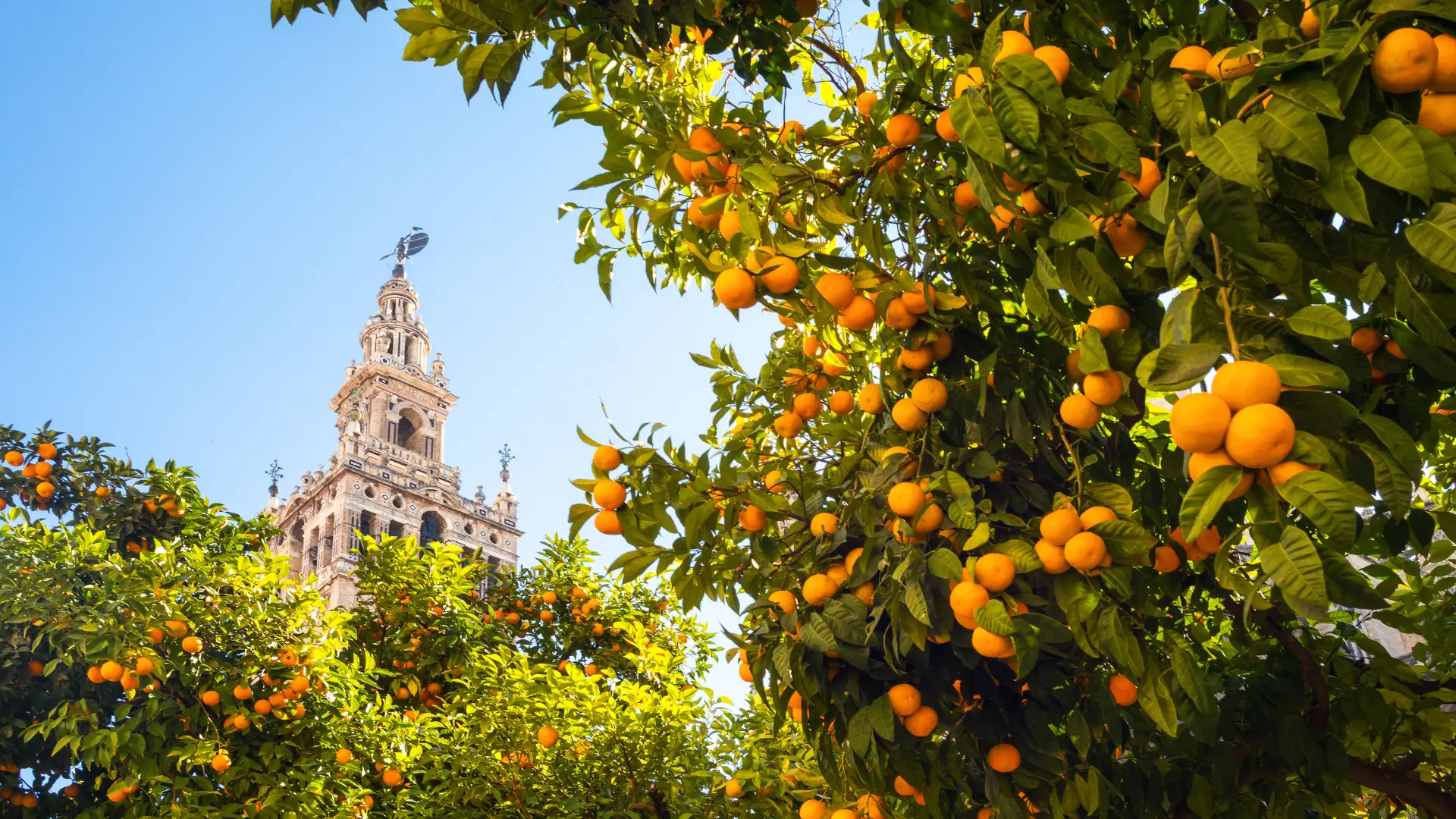
Seville Cathedral and Giralda Tower: The world’s largest Gothic cathedral, with some accessible areas
Real Alcázar: Visit this “magnificent Alcázar palace” which is a must-see for its stunning architecture and gardens.
Plaza de España: Spacious square with beautiful architecture and accessibility
Guadalquivir River Cruise: Enjoy “leisurely boat rides along the Guadalquivir River” for a relaxed way to see the city.
Flamenco Show: Experience this traditional dance performance, as Seville is considered one of the best places to see “flamenco, one of the most famous musical dance traditions in Spain.”
Barrio Santa Cruz: Historic Jewish quarter with charming streets (some areas more accessible than others)
Metropol Parasol (Las Setas): Modern structure with elevator access and city views
Maria Luisa Park: Beautiful park with flat paths and plenty of benches
Triana Market: Food market with local specialties in an accessible setting
Museum of Fine Arts: This museum allows seniors to “unearth the Moorish history of Seville in the brushstrokes of religious paintings.”
3-Day Itinerary
Day 1: Historic Seville
Morning: Leisurely breakfast at your hotel
Mid-Morning: Visit to Seville Cathedral and Giralda (accessible entrance available)
Lunch: Traditional meal in Santa Cruz neighborhood
Afternoon: Rest at hotel during the hottest part of the day
Late Afternoon: Visit to the Real Alcázar (pre-book tickets to avoid lines)
Evening: Dinner at a restaurant in El Arenal district
Day 2: Cultural Immersion
Morning: Plaza de España and Maria Luisa Park (flat terrain, many benches)
Lunch: Meal at a park-adjacent restaurant
Afternoon: Rest at hotel
Late Afternoon: River cruise on the Guadalquivir (minimal walking required)
Evening: Flamenco show with dinner
Day 3: Local Experiences
Morning: Visit to Metropol Parasol (Las Setas) with elevator to viewing platform
Lunch: Tapas in Triana neighborhood
Afternoon: Rest at hotel
Late Afternoon: Visit to Triana Market for local food products and crafts
Evening: Farewell dinner at a traditional restaurant
3. Valencia: Mediterranean Gem
Safety Rating: 8/10
Description: Valencia is considered one of the safest cities in Spain, with low crime rates and a welcoming atmosphere for visitors. The city center and tourist areas are well-monitored, and violent crime is rare. Spain ranks “32nd out of the 163 countries” on the Global Peace Index, ahead of neighboring countries like Italy, France, and the United Kingdom. As in most tourist destinations, petty theft and pickpocketing can occur in crowded areas, but with basic precautions, senior travelers should feel very secure in Valencia.
Accessibility Rating: 8/10
Description: Valencia offers excellent accessibility for seniors, with its relatively flat terrain and modern infrastructure. The city’s metro network has “accessibility guaranteed” for travelers with mobility needs. The historic center has some cobblestone streets, but many areas have been made more navigable, and the newer parts of the city like the City of Arts and Sciences complex are fully accessible. Valencia “has made significant improvements in accessibility in recent years” and is “known for its flat terrain, which makes it easier for wheelchair users to navigate.”
Where to Stay
Ciutat Vella (Old Town): Historic center with many attractions in walking distance
Eixample: Elegant neighborhood with wide streets and good shopping
El Cabanyal: Beachside area with flat terrain, good for those who enjoy coastal settings
Russafa: Trendy district with many restaurants and a more local feel
Senior-Friendly Hotels:
The Westin Valencia (5-star) – Luxury hotel with excellent accessibility features
Vincci Lys (4-star) – Central location with accessible rooms
Hotel Valencia Oceanic (4-star) – Near the City of Arts and Sciences with good accessibility
NH Valencia Las Artes (4-star) – Modern hotel with accessible rooms and facilities
Weather Throughout the Year
Month
Average Temperature (°C)
Rainfall
Notes
January
7-16°C (45-61°F)
Medium
January has “the lowest average high temperature” at 16.4°C.
February
8-17°C (46-63°F)
Low-Medium
Still cool but pleasant for sightseeing
March
9-19°C (48-66°F)
Low-Medium
Spring begins, temperatures improving
April
11-21°C (52-70°F)
Medium
Pleasant spring weather
May
14-24°C (57-75°F)
Medium
Warm days, great for exploring
June
18-27°C (64-81°F)
Low
June offers “pleasing beach weather” with daytime temperatures averaging 27.1°C.
July
21-30°C (70-86°F)
Very Low
July is “the driest month with 10 mm of precipitation” and “the sunniest month.”
August
22-30°C (72-86°F)
Low
August is “the warmest month” with an average high temperature of 30.2°C.
September
19-28°C (66-82°F)
Medium-High
September is “the wettest month with 62 mm of rainfall.”
October
15-24°C (59-75°F)
High
October has “the most rainfall” at 77mm, though temperatures remain “comfortable” around 24.3°C.
November
11-20°C (52-68°F)
Medium-High
Cooling temperatures
December
8-17°C (46-63°F)
Medium
Winter begins, cooler but still mild
What to Pack
Comfortable walking shoes for city exploration
Lightweight clothing for summer months
Layers for spring and fall when temperatures can vary
Light jacket for winter months and evening wear
Sun protection (hat, sunglasses, sunscreen)
Swimwear if planning to visit the beach (popular even among seniors)
Light rain jacket or umbrella for fall visits
Any necessary medications and copies of prescriptions
Travel adapter for electronics
Reusable water bottle for staying hydrated
Best Activities and Things to Do
City of Arts and Sciences: This complex is “fully accessible” and features fascinating exhibits and beautiful architecture.
Valencia Cathedral: Historic church with accessible entrance
Central Market: Experience local food culture in this vibrant market
Turia Gardens: Valencia offers “numerous parks and gardens” where seniors can “relax in the city’s beautiful green spaces.”
Albufera Natural Park: This is described as a “unique protected natural space” near Valencia that offers beautiful scenery.
Valencian Museum of Enlightenment and Modernity: Accessible cultural experience
Malvarrosa Beach: Accessible beachfront with promenade
Horchata Tasting: Try Valencia’s traditional “Horchata drink” during a walking tour.
Silk Exchange (La Lonja): UNESCO World Heritage Site with good accessibility
Paella Cooking Class: Enjoy a “paella dinner at a local restaurant” to experience Valencia’s signature dish.
3-Day Itinerary
Day 1: Historic Valencia
Morning: Leisurely breakfast at your hotel
Mid-Morning: Visit to Valencia Cathedral and surroundings
Lunch: Traditional meal in the old town
Afternoon: Rest at hotel
Late Afternoon: Visit to the Silk Exchange (La Lonja)
Evening: Dinner in Ciutat Vella with local specialties
Day 2: Modern Valencia
Morning: Visit to the City of Arts and Sciences (fully accessible complex)
Lunch: Meal at a restaurant near the complex
Afternoon: Rest at hotel
Late Afternoon: Stroll through Turia Gardens (flat, accessible paths)
Evening: Paella dinner experience
Day 3: Cultural Experiences
Morning: Visit to Central Market to experience local food culture
Lunch: Light meal with products from the market
Afternoon: Rest at hotel
Late Afternoon: Optional short trip to Albufera Natural Park (accessible tour available)
Evening: Farewell dinner at a beachfront restaurant
General Tips for Senior Travelers in Spain
Best Time to Visit: The ideal times for seniors to visit Spain are “April-May and September-October when temperatures hover between 65-75°F with fewer tourist crowds.” Avoid July and August, particularly in Seville, where temperatures can be extreme.
Health Considerations: Spain has excellent healthcare facilities, particularly in major cities. Ensure you have comprehensive travel insurance and carry the European Health Insurance Card if you’re from an EU country.
Transportation: Spain has an excellent “public transportation system” that can “save money on owning a car,” with “buses, trains, and metro available at affordable prices.” Senior discounts are often available.
Siesta Culture: Many businesses close in the afternoon, especially in smaller cities and during summer. Plan your activities accordingly, using this time to rest at your hotel.
Senior Discounts: Many attractions offer reduced admission for seniors, though the age qualification may vary. Always carry ID to prove your age for discounts.
Language: While English is widely spoken in tourist areas, learning a few basic Spanish phrases can enhance your experience and is appreciated by locals.
Dining Times: Spaniards eat later than in many other countries. Lunch is typically served from 2-4 PM and dinner from 9-11 PM, though tourist areas often accommodate earlier dining.
Accessibility Services: Spain is leading “a groundbreaking tourism revolution” with regions like “the Valencian Community, Basque Country, Cantabria, and Galicia” setting “new standards for unstoppable accessibility and inclusive travel.”
Safety Precautions: While Spain is generally very safe, remain vigilant about your belongings in crowded areas and on public transportation.
Pace Yourself: Spanish cities are rich in history and culture, but trying to see everything can be exhausting. Focus on quality experiences rather than quantity and allow time for rest.
By choosing the right season, planning carefully, and allowing for a relaxed pace, senior travelers can have a wonderful and fulfilling experience exploring these iconic Spanish cities. Each offers its own unique charm and attractions, ensuring a memorable journey through one of Europe’s most captivating countries.
Browse thousands of Senior Centers from around America. Senior Centers are an integral part of society and are the center of life for many seniors and aging adults.
Find a Senior Center which fits your needs using our search feature and keep up to date on all the latest news.
Advertisers are not endorsed by SeniorCenters.com or any senior center listed. This site is not endorsed by or affiliated with any senior center or organization listed.
To provide the best experiences, we use technologies like cookies to store and/or access device information. Consenting to these technologies will allow us to process data such as browsing behaviour or unique IDs on this site. Not consenting or withdrawing consent, may adversely affect certain features and functions.
Functional
Always active
The technical storage or access is strictly necessary for the legitimate purpose of enabling the use of a specific service explicitly requested by the subscriber or user, or for the sole purpose of carrying out the transmission of a communication over an electronic communications network.
Preferences
The technical storage or access is necessary for the legitimate purpose of storing preferences that are not requested by the subscriber or user.
Statistics
The technical storage or access that is used exclusively for statistical purposes.The technical storage or access that is used exclusively for anonymous statistical purposes. Without a subpoena, voluntary compliance on the part of your Internet Service Provider, or additional records from a third party, information stored or retrieved for this purpose alone cannot usually be used to identify you.
Marketing
The technical storage or access is required to create user profiles to send advertising, or to track the user on a website or across several websites for similar marketing purposes.