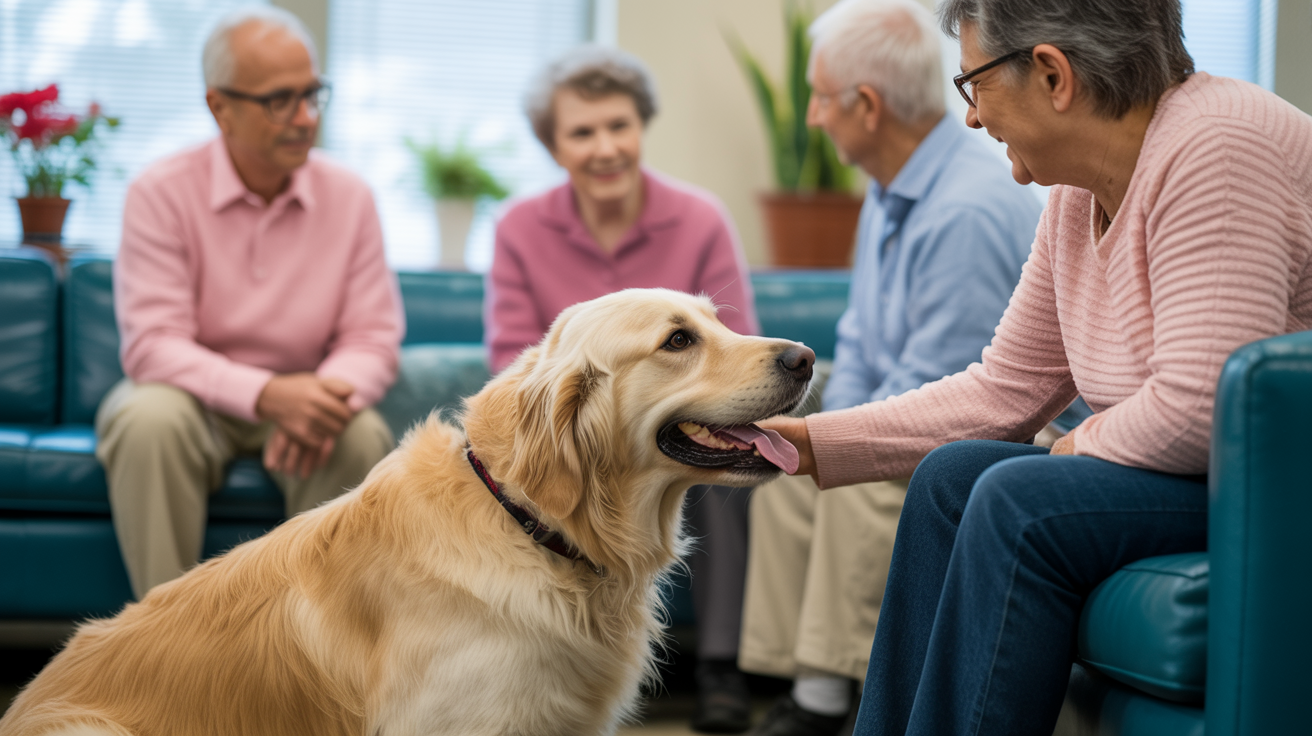
Pet therapy (also called animal-assisted activities) uses friendly, well-trained animals—often dogs like gentle golden retrievers—to spark social connection, reduce stress, and add movement and joy to daily programming. This guide explains the benefits for older adults; practical program models (therapy-animal visits, “Seniors for Seniors” adoption days, small-pet clubs, and virtual meet-ups); simple safety and allergy protocols; staffing and volunteer tips; and how to fund and promote events in ways that fit a senior center’s mission. You’ll also find a quick-start table of activities, a step-by-step launch plan, and ideas to partner with local shelters so adoption events are truly senior-friendly. If you’re brand new to senior centers, see a bit of how these centers evolved, and if you need a place to host or promote programs, you can find a senior center or recruit helpers via the Volunteer Job Board.
What Is Pet Therapy?
Pet therapy brings trained animals and handlers into a group or 1-to-1 setting to encourage conversation, memory recall, gentle exercise (like short walks or brushing), and calming sensory input. While dogs are most common, small animals (rabbits, cats, birds) and even “reading to dogs” literacy hours can work well for intergenerational days.
Why golden retrievers get mentioned so often: they’re typically calm, people-oriented, and easy to handle in busy rooms—great traits for therapy visits. That said, personality and training matter more than breed.
Benefits You’ll Notice Fast
Social & Emotional
Easy ice-breaker for members who are shy or new.
Comfort during grief groups or after difficult appointments.
Elevates mood; gives people something positive to anticipate each week.
Cognitive & Reminiscence
Prompts storytelling (“We had a golden retriever named Sunny…”) and long-term memory recall.
Gentle focus practice: brushing, treat games, or simple cue training.
Physical
Light movement: short hallway walks, tossing soft toys from a seated position, or hand/arm range of motion while petting.
De-stressing before balance, art, or tech classes to improve participation.
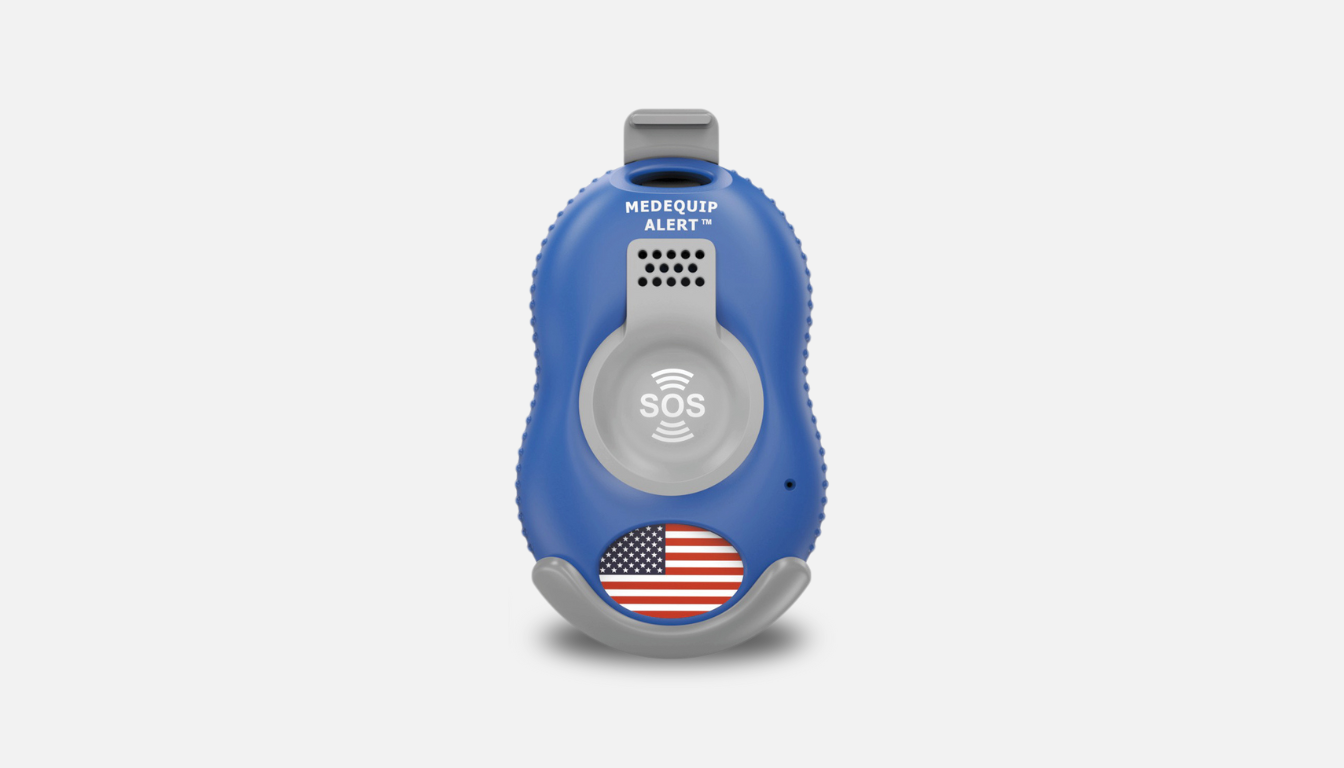
For broader safety planning you can pair with home-safety tools like those in this medical alert guide when members live alone and are building confidence.
Quick-Start Menu of Pet Programs
Activity
Great For
Ideal Animals
Staff/Volunteer Needs
Risk Level*
Try This First
Therapy-Dog Meet & Greet
Large groups; new members; memory care
Calm dogs (e.g., golden retrievers, labs), certified teams
1 handler per dog; 1 room monitor
Low
15–45 min stations; chairs in a circle; hand hygiene table
Gentle Walk & Talk
Mobility goals; small groups (4–8)
Confident, leash-trained dogs
1 handler; 1 staff with first-aid kit
Low–Medium
Indoors hall loop; “traffic” rules; seated alternative route
Brush & Bond
Anxiety relief; sensory comfort
Dogs or long-haired cats who enjoy grooming
1 handler; wipes & brushes labeled “center”
Low
5-minute turns; soft music; story prompts
“Read to a Dog” Hour
Intergenerational events; ESL/literacy practice
Very calm dogs who settle on mats
1 handler per corner; timekeeper
Low
Short stories/poems; large-print books; bookmarks giveaway
Seniors-for-Seniors Adoption Day
Members seeking companionship
Older, mellow pets
Shelter partner; 2 volunteers for forms/traffic
Medium
“Foster-to-adopt” trial; low-step pens; quiet room off main hall
*Always screen for allergies, fear of animals, or cultural preferences ahead of time.
Therapy-Dog Meet & Greet
Arrange the room in a wide circle with clear walking lanes and a hand-hygiene station at the entrance. Stagger arrivals so each certified team (a trained dog plus handler) spends 3–5 minutes with small clusters of participants. Golden retrievers and other calm breeds excel here because they tolerate petting from multiple directions and busy environments. Use name tags on both people and dogs to spark conversation (“Sunny the Golden,” “Ask me about my first dog”). Have chairs with arms for easier sit-to-stand, and provide a “quiet corner” for anyone who prefers to observe first. Track outcomes with a simple tally: number of smiles, new member introductions, and repeat attendance.
Gentle Walk & Talk
Design a short, predictable route (e.g., two laps around the gym or a carpeted hallway loop). Offer two speeds: a “stroll” group and a “seated toss” alternative in the same space for folks using wheelchairs or who tire easily. Keep leashes short, avoid retractables, and station a staff member ahead to manage doors and foot traffic. Build in micro-goals (“pause for deep breaths at the window; 10 steps to the mural; water break”). End with a seated cool-down and quick gratitude round (“What did the dog help you notice today?”). Document distance or laps to show progress over weeks.
Brush & Bond
Set up a quiet table with non-slip mats, a selection of soft grooming brushes, and fragrance-free wipes. Participants take timed turns (about five minutes) brushing and talking with the handler about the animal’s routine, diet, and favorite games. This rhythmic task reduces anxiety and offers gentle range-of-motion for wrists and shoulders. Keep treats minimal to avoid tummy upset; instead, reinforce with calm praise. For hygiene, label brushes “center use,” wipe handles between turns, and provide a sealed trash bin. Invite storytelling prompts like “What was your pet’s bedtime ritual?”
“Read to a Dog” Hour
Ideal for intergenerational days and ESL practice. Create reading “nooks” with floor mats, two chairs, and a small book basket (large-print, short poems, light humor). Dogs should be comfortable settling on a mat while listeners read aloud for 5–7 minutes. Use a timekeeper to rotate gently. Offer bookmarks as a takeaway featuring your next pet-visit date and a link where families can find your center. Keep voices soft and set expectations: no tug toys during reading; petting allowed during page turns or at the end.
Seniors-for-Seniors Adoption Day
Partner with a shelter to pre-screen calm, older animals and to bring full vaccination records. Use low-step pens and wide aisles for mobility devices, plus a quiet room for one-on-one matches. Provide transparent cost sheets (food, meds, grooming) and suggest a “foster-to-adopt” trial to reduce pressure. Offer a simple new-owner checklist and, if possible, a volunteer phone buddy for the first two weeks. Encourage practical planning (backup caregiver, landlord permissions, and vet transport). Add a donation jar for the shelter and recruit helpers via the Volunteer Job Board.
Virtual Pet Visit
For homebound members or bad-weather days, host a 30-minute live video with a therapy team. Use a rolling “tech cart” (laptop, webcam, speaker) and test audio in advance. Rotate close-ups (paws, brushing, simple tricks) and invite Q&A (“How often do you walk your dog?”). Share a printable activity—such as a word search or coloring page—to keep hands engaged during the call. Keep chat moderated, and capture feedback afterward with a one-question survey: “Should we repeat this monthly?” See setup ideas in this tech guide.
Partnering with Local Shelters & Clinics
Pick the right animals: prioritize older, calm pets; pre-screen for temperament and house training.
Set up “meet quietly” zones: chairs along the wall, non-slip mats, water bowls, waste bags, and a small grooming corner.
Make it senior-friendly: large-print adoption info, clear monthly costs, a “foster-to-adopt” option, and rideshare vouchers for vet visits if available.
Accessibility: low pens, wide aisles for walkers/wheelchairs, and sturdy chairs with arms.
Aftercare: offer a new-owner check-in call and a simple handout on routines, feeding, and local low-cost vaccine clinics.
Funding a pilot event? Borrow ideas from these after-hours revenue strategies—for example, a weekend market with a sponsored “therapy-dog cuddle corner.”
Safety, Policies, and Insurance—Made Simple
Paperwork: keep on file: handler certification/ID, vaccination proof, and your center’s signed guidelines.
Room setup: non-slip rugs, water, trash bin with lid, fragrance-free wipes, and a hand-washing station.
Allergies & fears: ask on intake forms; offer a pet-free viewing area or a parallel craft group.
Boundaries: no feeding without handler approval; one participant at a time for brushing; rest breaks for animals.
Incident plan: define “pause & reset” steps for signs of animal stress (yawning, lip-licking, tucked tail) and for participant fatigue.
For members living alone and building confidence at home, pair programs with a safety check using resources like medical alert devices.
Staffing & Volunteers
You can run most activities with one certified handler and one center lead. To scale up or add adoption days, recruit through your own membership plus the Volunteer Job Board. Helpful roles:
Greeter/line manager (keeps visits moving kindly and evenly)
Hygiene helper (wipes, hand gel, water bowls)
Story collector (jots down member memories for your newsletter)
Photographer (with photo consent, shares to center board and partners)
How to Launch in 30 Days
Week 1 — Plan: pick one format (e.g., therapy-dog meet & greet); draft a one-page policy; confirm insurance & cleaning supplies.
Week 2 — Partner: contact a local therapy-animal group or shelter; ask for 2–3 teams for a 45-minute pilot; set quiet room + seating map.
Week 3 — Promote: add to calendar, lobby flyer, and phone tree; invite families. New here? Explore how centers organize programs and list your location.
Week 4 — Run & review: run the pilot; log attendance, smiles, and comments; schedule the next date; send a “thank you” note and photos to partners.
FAQ
Do we need dog-specific insurance?
Check your facility coverage and add a rider if required. Many therapy-animal nonprofits carry handler liability; request a copy for your files.
What if someone is afraid of dogs?
Offer a “watch-only” area and invite the handler to demo from a safe distance. Over time, some participants choose brief contact like tossing a soft toy.
Can we do this without dogs?
Yes—cats, rabbits, and even stuffed “robot pets” for dementia care can be calming. For snow days or homebound members, run a live video visit using the simple setup in this tech guide.
Wrap-Up
Pet therapy doesn’t need to be complicated: start small, set clear boundaries, and center member comfort. With calm, well-trained animals (golden retrievers are classics for a reason), thoughtful partners, and a few volunteers, you can create a reliable source of joy and connection—plus a welcoming way for new members to engage. When you’re ready, explore more ideas across the Senior Centers directory and the broader SeniorCenters.com Resource Hub.
Browse thousands of Senior Centers from around America. Senior Centers are an integral part of society and are the center of life for many seniors and aging adults.
Find a Senior Center which fits your needs using our search feature and keep up to date on all the latest news.
Advertisers are not endorsed by SeniorCenters.com or any senior center listed. This site is not endorsed by or affiliated with any senior center or organization listed.
To provide the best experiences, we use technologies like cookies to store and/or access device information. Consenting to these technologies will allow us to process data such as browsing behaviour or unique IDs on this site. Not consenting or withdrawing consent, may adversely affect certain features and functions.
Functional
Always active
The technical storage or access is strictly necessary for the legitimate purpose of enabling the use of a specific service explicitly requested by the subscriber or user, or for the sole purpose of carrying out the transmission of a communication over an electronic communications network.
Preferences
The technical storage or access is necessary for the legitimate purpose of storing preferences that are not requested by the subscriber or user.
Statistics
The technical storage or access that is used exclusively for statistical purposes.The technical storage or access that is used exclusively for anonymous statistical purposes. Without a subpoena, voluntary compliance on the part of your Internet Service Provider, or additional records from a third party, information stored or retrieved for this purpose alone cannot usually be used to identify you.
Marketing
The technical storage or access is required to create user profiles to send advertising, or to track the user on a website or across several websites for similar marketing purposes.