Halloween is a lovely contradiction—part cozy autumn ritual, part joyful neighborhood chaos—and that combination can make homes feel a little less predictable as daylight fades and doorbells sing in rapid succession. This guide is written to keep the delight while gently lowering the risk, offering clear, practical ideas that help prevent falls at the doorway and down the hall, reduce fire hazards from candles and crowded outlets, and ease the nighttime confusion that can creep in when lights flash, voices carry, and routines get bent out of shape. Think of it as a calm companion for a lively evening: simple steps, explained in plain language, that you can put in place well before the first “trick or treat!”
Why Halloween Changes the Risk Picture
On most evenings, you control the pace of your home—how brightly the entry is lit, whether cords are tucked away, which rooms stay quiet and which remain busy. Halloween rearranges that rhythm. Children (and their grown-ups) arrive in waves, the walkway gets more traffic than a Sunday afternoon, and décor adds objects where there used to be open space. Add dusk—when our depth perception and contrast are naturally weaker—and you have a short window when small hazards can turn into real problems. Preparing for that window doesn’t require construction projects or expensive gadgets; it’s mostly about giving light a head start, restoring clear paths, and choosing flameless over flame wherever possible.
A Quick Room-by-Room Focus
Begin outdoors and move inward the way guests will. On the porch and steps, sweep away leaves, steady any wobbly mat, and make sure a bright, steady light—not a strobe or flicker—covers the landing where feet will pause and pivot. Along the walkway, motion bulbs or small solar guides help everyone see edges and uneven spots, and they spare you from hunting for switches later in the night. Inside the entry, imagine the path you’ll take a dozen times: from chair to door, from door to candy bowl, from living room to bathroom. If anything interrupts that zigzag—stray cords, a clutch of shoes, a decorative stool—relocate it for one evening. In bedrooms and halls, a few reliable night lights placed before dusk smooth the transition when you step away from the bright front door into quieter rooms, keeping the hall itself from becoming a hazard.
Removes slip/trip hazards and makes foot placement obvious
Walkways
Use motion lights; mark edges with simple path lights
Improves depth perception and guides guests to the door
Entry & living area
Clear a straight route; coil or cover cords; relocate clutter
Keeps your repetitive “chair → door → chair” loop obstacle-free
Kitchen
Choose battery tea lights; avoid crowded power strips
Reduces open-flame and electrical overload risk
Hall/bed/bath
Turn on night lights before dusk; keep a lamp within reach
Prevents disorientation and slip risks during brief breaks
Preventing Falls Without “Baby-Proofing” the House
Falls on Halloween rarely come from dramatic missteps; they come from small surprises—an extension cord that crept across the threshold, a decorative throw that slides on hardwood, a planter that narrows the turning space just enough to catch a shoe. Treat the doorway like a tiny stage: the center stays clear, the lighting is even, and anything that must stay (a pumpkin, a chair, a table for candy) earns its place by being stable and out of the walking line. If standing for repeated greetings is tiring, sit near the door with the candy at comfortable height and a sturdy side table to spare you repeated bending and reaching. That tiny adjustment reduces fatigue, which in turn keeps steps deliberate and confident across the whole evening.
Making Fire Safety Part of the Mood
Open flame is festive, but it’s also a distraction when the door is busy. Battery-powered tea lights inside pumpkins are nearly indistinguishable from candles once the sun sets, and they remove the worry that a sleeve or decoration might brush too close. If you love the glow of string lights, plug them into a single quality surge protector and avoid daisy-chaining strips; a quick touch test—feeling for warmth at plugs and adapters—tells you whether to unplug and redistribute. Kitchens deserve a special nod: either finish cooking before the rush or set a loud, reliable timer and keep pot handles turned inward so an elbow (yours or a visitor’s) can’t send them spinning. Clear exits and unblocked smoke alarms may sound like ordinary advice, but on Halloween ordinary is exactly what keeps extraordinary problems away.
Keeping the Evening Calm and Oriented
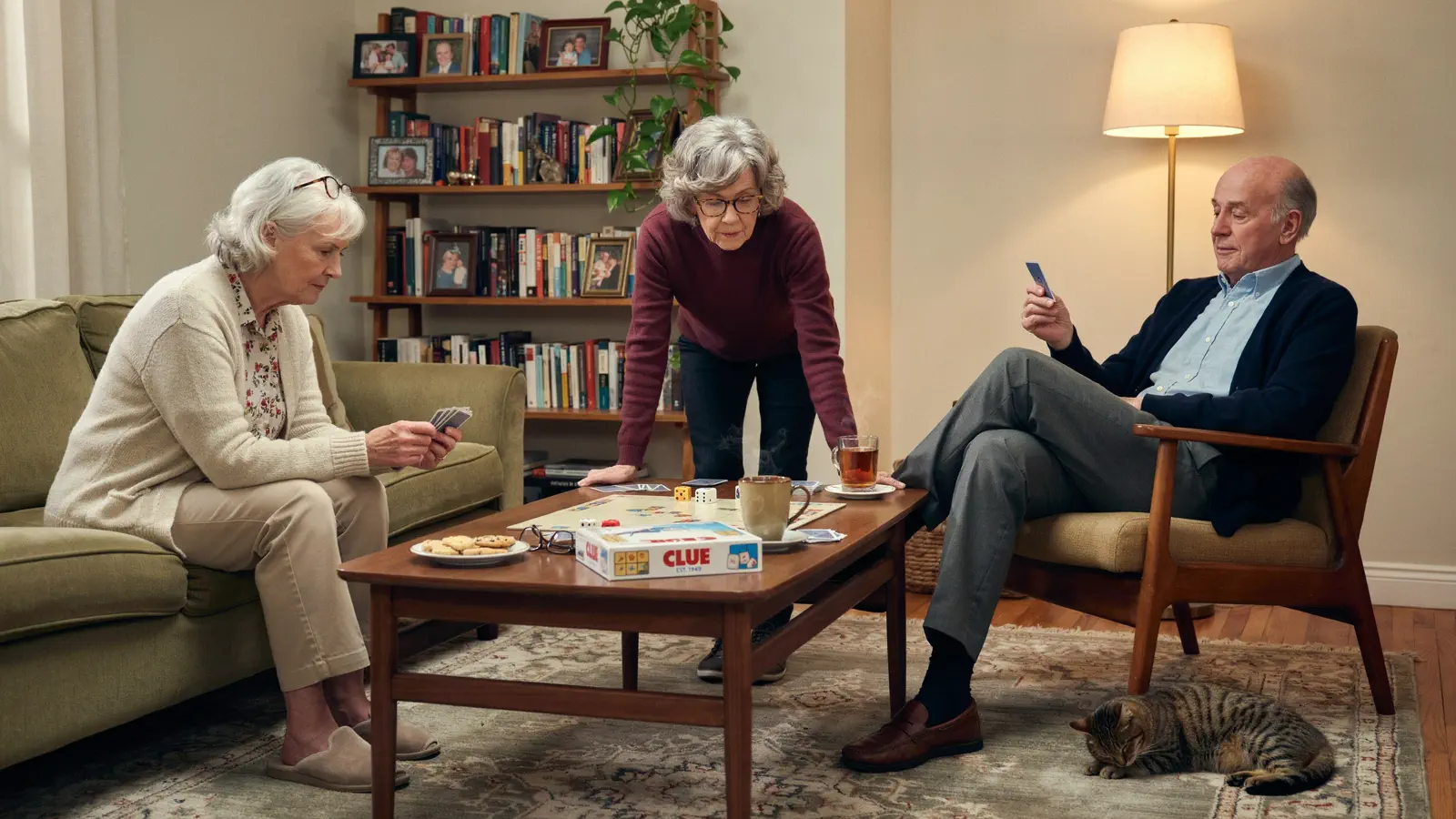
Confusion after dark isn’t just about memory; it’s about contrast, noise, and novelty. Turning on lamps before dusk softens the shift from day to night so that your eyes don’t have to “catch up” each time you step away from the door. Inside the home, skip motion-activated scares and loud sound effects, which are delightful for visitors but jarring when you’re moving around in low light. If the bustle feels like too much at times, designate a quiet corner—a favorite chair, a simple playlist, and a warm drink—so you can rest without feeling that the evening must stop. A few large-print orientation cues (a small door sign pointing to the bathroom, a night light leading down the hall) can be surprisingly reassuring when you or a loved one take a quick break from the front-door routine.
A Door Routine That Works With (Not Against) Your Energy
Think of your front door routine as a loop you will repeat often, and set it up to conserve effort. Keep a comfortable chair within an easy pivot of the door and place a tray or bowl at waist height so you’re neither stooping nor reaching. Turn on the exterior light and, if you have one, use a peephole or door camera so you can gauge the number and age of visitors before you open. If you live alone or simply need a breather, a friendly note—“Candy on the table—please take one; Happy Halloween!”—lets you step back for a few minutes without turning the evening off. The goal is not to outlast the neighborhood, but to enjoy your share of it without feeling hurried by it.
If You’re Stepping Out Briefly
Short walks to a neighbor’s house or a quick loop of the block can be part of the fun. Sensible shoes with non-slip soles, a flashlight (or phone light), and a small card with ID and key medical notes make the outing both pleasant and low-stress. Go with a family member or neighbor when you can, agree on a simple “back by” time, and keep costumes practical—no trailing hems, no masks that narrow your field of view, and layers warm enough for the temperature swing after sunset.
Resources
For more year-round, senior-focused guidance that complements this Halloween plan, explore these related guides:
Browse thousands of Senior Centers from around America. Senior Centers are an integral part of society and are the center of life for many seniors and aging adults.
Find a Senior Center which fits your needs using our search feature and keep up to date on all the latest news.
Advertisers are not endorsed by SeniorCenters.com or any senior center listed. This site is not endorsed by or affiliated with any senior center or organization listed.
To provide the best experiences, we use technologies like cookies to store and/or access device information. Consenting to these technologies will allow us to process data such as browsing behaviour or unique IDs on this site. Not consenting or withdrawing consent, may adversely affect certain features and functions.
Functional
Always active
The technical storage or access is strictly necessary for the legitimate purpose of enabling the use of a specific service explicitly requested by the subscriber or user, or for the sole purpose of carrying out the transmission of a communication over an electronic communications network.
Preferences
The technical storage or access is necessary for the legitimate purpose of storing preferences that are not requested by the subscriber or user.
Statistics
The technical storage or access that is used exclusively for statistical purposes.The technical storage or access that is used exclusively for anonymous statistical purposes. Without a subpoena, voluntary compliance on the part of your Internet Service Provider, or additional records from a third party, information stored or retrieved for this purpose alone cannot usually be used to identify you.
Marketing
The technical storage or access is required to create user profiles to send advertising, or to track the user on a website or across several websites for similar marketing purposes.