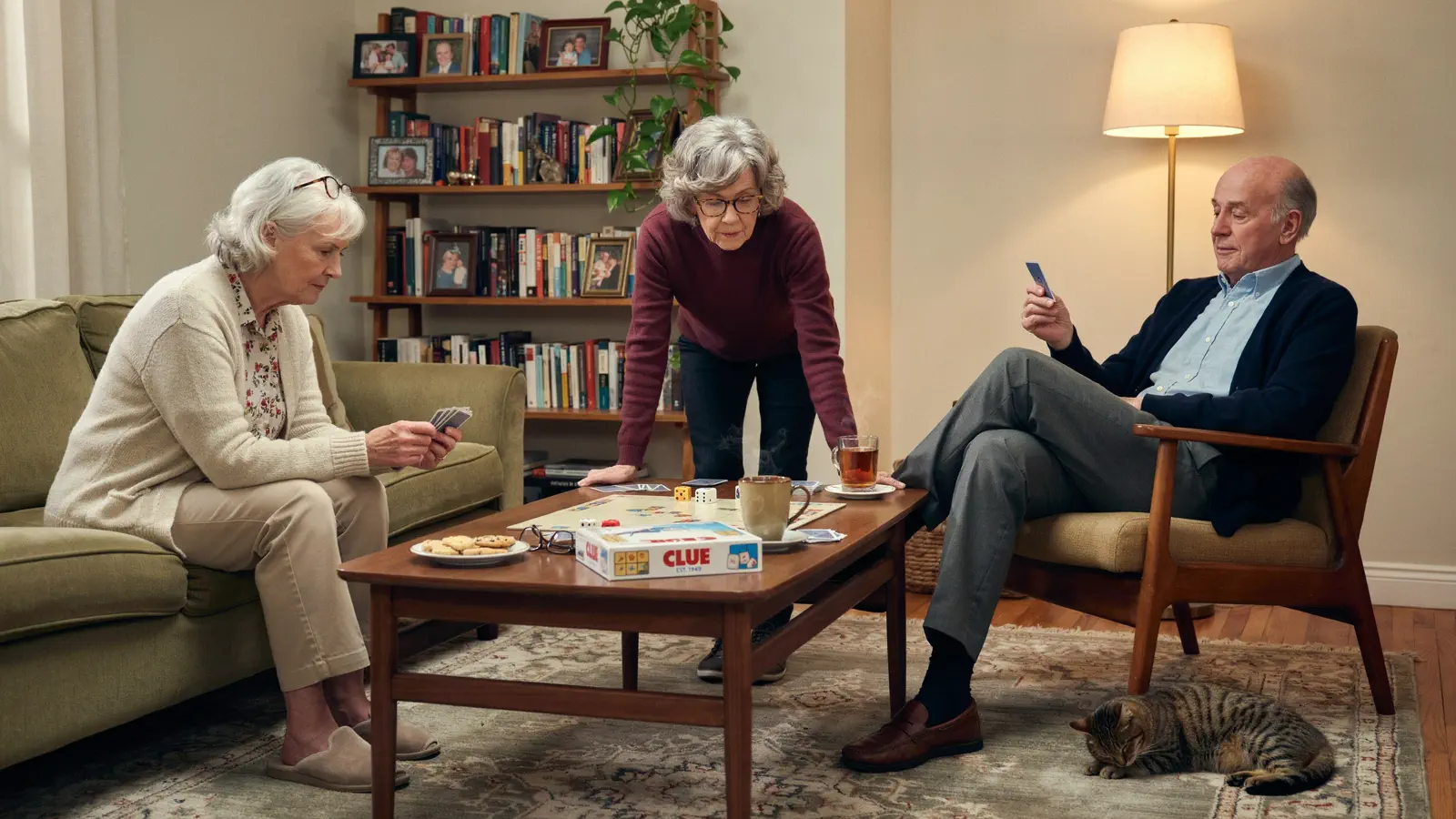
This guide was written for activity directors, caregivers, and families hosting Thanksgiving with older adults across settings—independent living, assisted living, memory care, adult day programs, and at home. You’ll find 24 low-cost, low-mess activities with clear steps and accessibility options so you can run them right away. Skim the Table of Contents, pick 3–5 activities that fit your time and participants, review the Planning & Safety Checklist, and print the Day-Of Schedule and prompt cards. Activities center on gratitude, connection, reminiscence, and gentle movement—with intergenerational twists throughout.
Low-mobility & Seated
1) Gratitude Place Cards
Why seniors love it (benefits):
- Encourages reflection and conversation
- Fine-motor practice with simple tasks
- Creates a welcoming table
Who it’s best for: Seated; wheelchair-friendly; vision-friendly with 18pt+ font.
Time & group size: 20–30 min; 2–10 people.
Materials: Blank tent cards or folded index cards; bold markers; stick-on leaves or washi tape; large-print name list. Swaps: sticky labels on paper cups.
Setup: Lay out cards, markers, and decorations on a well-lit table; provide sample.
Step-by-step:
- Set out cards and markers; show a large-print example.
- Invite each person to write their name in big letters (18–24pt style).
- Add one word of gratitude under the name (e.g., “neighbors”).
- Offer stick-on leaves or washi tape to frame the card.
- Volunteers place finished cards at seats.
- Invite a quick share: “What word did you choose and why?”
Adaptations:
- Mobility: All tasks seated; bring materials to each person.
- Cognition: Provide pre-printed names; offer 3–4 gratitude word choices.
- Sensory: Use high-contrast cream cards and black markers.
- Vision/Hearing/Dexterity: Bold-line markers; card stand to steady hands.
Intergenerational twist: Kids decorate borders or write names.
Solo/virtual option: Mail or porch-drop cards; share photos on a call.
Conversation prompts: “Who taught you table manners?” “A Thanksgiving you’ll never forget?” “What smells remind you of the holiday?”
Safety & comfort checks: Avoid scented stickers if fragrance-sensitive; keep markers capped; ask consent before photographing.
Cost & cleanup: $–$$ depending on supplies; gather markers, stack cards, wipe table.
Gratitude tie-in: Name cards become small reminders of what (and who) we’re thankful for.
2) Thankful Paper Chain
Why seniors love it:
- Visual expression of gratitude
- Simple, rhythmic task is calming
- Builds group pride as chain grows
Who: Seated; memory care-friendly with cueing.
Time & group size: 20–30 min; 3–12 people.
Materials: Pre-cut 1″ x 8″ paper strips; glue sticks or tape; bold markers.
Setup: Place strips in bowls by color; demo one loop.
Steps:
- Invite each person to write one gratitude word per strip.
- Loop and glue ends; pass to a neighbor to link.
- Repeat 3–5 times per person.
- Measure the chain together; hang along a doorway.
- Read a few words aloud (with permission).
Adaptations:
- Mobility: Bring strips/tools to each seat.
- Cognition: Offer picture cue cards (family, music, sunshine).
- Sensory: Choose matte paper; reduce noise; soft background music.
- Vision/Hearing/Dexterity: High-contrast markers; wide strips; staff holds paper while participant glues.
Intergenerational twist: Children pre-write or collect words from residents.
Solo/virtual: Mail strips to family; assemble on video.
Prompts: “A neighbor you appreciate?” “A song you’re thankful for?” “A kind stranger you remember?”
Safety: Check for glue allergies; no staples in memory care.
Cost & cleanup: $; sweep paper bits; coil and store chain.
Gratitude tie-in: The chain shows how small thanks add up.
3) Postcards of Thanks
Benefits:
- Social connection to people far away
- Light writing practice
- Mood lift from giving
Who: Seated; vision-friendly; hearing-friendly.
Time & group size: 20–40 min; 1–8 people.
Materials: Postcards or half-sheets; addresses; stamps; gel pens.
Setup: Print large-font address list; sample messages.
Steps:
- Offer a few message starters (“Thinking of you this Thanksgiving because…”).
- Participants choose 1–3 recipients.
- Write short notes; caregivers address if needed.
- Add a simple doodle or sticker.
- Seal and stamp; group photo of the outgoing stack (with consent).
Adaptations:
- Cognition: Provide sentence frames; scribe as needed.
- Vision: 18pt print; bold-line pens.
- Dexterity: Postcard boards or clipboards for stability.
Intergenerational: Kids draw small art on cards.
Solo/virtual: Use e-cards; dictate by phone and caregiver writes.
Prompts: “Who shaped you as a person?” “Who made you laugh this year?” “What teacher or mentor are you thankful for?”
Safety: Ask consent before sharing addresses; avoid scented stickers.
Cost & cleanup: $ (stamps); collect pens/cards; mail batch.
Gratitude tie-in: Sending thanks strengthens bonds.
4) Cozy Tea & Story Swap
Benefits:
- Gentle hydration and warmth
- Conversational turn-taking
- Sensory comfort
Who: Seated; wheelchair-friendly; memory care-friendly with cues.
Time & group size: 25–35 min; 3–10 people.
Materials: Decaf tea/herbal options, mugs with handles, sugar-free sweetener, napkins; swaps: warm cider (diluted), water.
Setup: Quiet room; 18pt “Tea & Stories” sign; coasters.
Steps:
- Offer tea choices (2–3 only); label clearly.
- Pour small servings; check temperatures.
- Ask a starter: “What was your family’s go-to holiday drink?”
- Each guest shares a short memory (1–2 minutes).
- Option: pass one heirloom (photo or spoon) as a “talking piece.”
- Close with a group toast of thanks.
Adaptations:
- Cognition: Provide picture choice cards; one-on-one prompting.
- Sensory: Low volume; offer unscented beverages.
- Vision/Hearing/Dexterity: Mug handles; amplification if needed.
Intergenerational: Kids ask one prepared question per elder.
Solo/virtual: Deliver a tea bag and host a 15-minute video chat.
Prompts: “A cozy smell from your childhood kitchen?” “Who always carved the turkey?” “A favorite hand-me-down mug?”
Safety: Allergen check; temperature safety; assist with hot liquids.
Cost & cleanup: $; wash mugs; wipe spills.
Gratitude tie-in: Warm cups, warmer stories.
Cognition & Reminiscence (dementia-friendly)
5) Then & Now Memory Box
Benefits:
- Reminiscence through touch and sight
- Validates personal history
- Gentle conversation
Who: Memory care-friendly; seated.
Time & group size: 20–30 min; 1–6 people.
Materials: Box with safe items (wooden spoon, plaid napkin, fall leaf, recipe card copies); photo cards labeled in 18pt.
Setup: Quiet space; one item per participant.
Steps:
- Place 3–5 items on a cloth.
- Invite each person to pick one and feel it.
- Ask one cue: “What does this remind you of?”
- Validate all responses; no correcting.
- Rotate items; pause often; close with “One word you’re thankful for.”
Adaptations:
- Mobility/Sensory: Hand items to each person; reduce choices to 2.
- Vision: High-contrast labels; tactile focus.
- Hearing: Face the speaker; rephrase gently.
Intergenerational: Youth listen and write “memory labels” to place in the box.
Solo/virtual: Care partner gathers items at home; phone or video prompts.
Prompts: “Who taught you to cook?” “A kitchen tool you liked?” “A holiday sound you remember?”
Safety: Avoid sharp/fragile items; disinfect between groups.
Cost & cleanup: $; return items to box.
Gratitude tie-in: Honoring the past honors the person.
6) Familiar Hymns & Harvest Songs
Benefits:
- Music memory engagement
- Breath and mood regulation
- Group cohesion
Who: Memory care-friendly; seated; hearing-friendly with amplification.
Time & group size: 20–30 min; any size.
Materials: Printed large-font lyric sheets (public-domain or licensed), simple rhythm shakers, speaker.
Setup: Semi-circle seating; volume check.
Steps:
- Hand out large-print lyrics and shakers.
- Start with a well-known tune from the 40s–60s era.
- Keep steady tempo; invite gentle swaying.
- Pause to ask: “What does this song remind you of?”
- End with a soft piece; deep breath together.
Adaptations:
- Cognition: Repetition; short verses.
- Sensory: Offer earplugs/quiet corner; moderate volume.
- Vision/Hearing/Dexterity: 18pt+ sheets; bold headings; shakers with handles.
Intergenerational: Kids lead a song intro or play a simple rhythm.
Solo/virtual: Share a playlist and lyric PDF; sing along by phone.
Prompts: “A dance hall you visited?” “A harvest festival memory?” “Who sang in your family?”
Safety: Watch fatigue; seated posture; sanitize shakers.
Cost & cleanup: $; collect shakers; stack chairs.
Gratitude tie-in: Music carries thankfulness across time.
7) Kitchen Tools Matching
Benefits:
- Cognitive stimulation via categorizing
- Conversation sparks
- Fine motor handling of cards
Who: Memory care-friendly; seated.
Time & group size: 15–25 min; 2–6 people.
Materials: Picture-matching cards (old vs. modern tools) in large print.
Setup: Place pairs face-up first; later face-down.
Steps:
- Show 4–6 cards face-up; match pairs together.
- Share the tool names aloud.
- Add a memory cue: “Who used this at home?”
- Optional: flip face-down for a gentle memory game.
- Celebrate each match.
Adaptations:
- Cognition: Keep pairs few; use color borders for matches.
- Vision: High contrast; thick outlines.
- Dexterity: Use card holders.
Intergenerational: Kids help match and ask “What was this used for?”
Solo/virtual: Screen-share a digital matching set.
Prompts: “Which tool felt heavy?” “A tool you miss?” “Who taught you to use it?”
Safety: No real blades; laminated cards only.
Cost & cleanup: $; gather cards.
Gratitude tie-in: Tools recall the hands that cared for us.
8) Taste Memories Sampler (micro-tastes)
Benefits:
- Sensory recall (smell/taste)
- Short, engaging rounds
- Conversation starter
Who: Memory care-friendly; seated.
Time & group size: 15–20 min; 2–8 people.
Materials: Allergy-screened micro-tastes: plain applesauce, pumpkin purée (unsweetened), salt-free cracker; water; napkins; tasting cups/spoons.
Setup: Post allergen notice; small labeled samples.
Steps:
- Review allergies; obtain verbal OK.
- Offer one micro-taste at a time.
- Ask: “What does this remind you of?”
- Offer water between tastes.
- End with a favorite-thanks round.
Adaptations:
- Cognition: Limit to 1–2 tastes; clear cues.
- Sensory: Option to smell only.
- Vision/Dexterity: High-contrast labels; assist with spoons.
Intergenerational: Kids describe flavors (“smooth,” “spiced”) and collect words.
Solo/virtual: Family preps the same; share on video.
Prompts: “A pie someone made best?” “Your holiday snack?” “Did you help shell nuts?”
Safety: Strict allergen screen; soft textures only; monitor swallowing; stop if unsure.
Cost & cleanup: $; dispose cups; sanitize.
Gratitude tie-in: Small tastes, big memories.
Creative & Crafting (minimal mess, easy cleanup)
9) Leaf Rubbing Bookmarks
Benefits:
- Fine-motor practice
- Nature connection
- Low-mess creativity
Who: Seated; vision-friendly with bold edges.
Time & group size: 20–30 min; 2–10 people.
Materials: Cardstock strips; leaves (or faux with raised veins); crayons.
Setup: Tape leaf under paper; show sample.
Steps:
- Place leaf vein side up under cardstock.
- Rub gently with side of crayon.
- Add name and “Thankful for ___.”
- Punch hole; add ribbon if desired.
- Share one thing you’ll mark in a book.
Adaptations:
- Cognition: Provide finished examples; step-by-step modeling.
- Dexterity: Foam grips for crayons.
- Vision: High-contrast paper; dark crayons.
Intergenerational: Kids gather leaves and tie ribbons.
Solo/virtual: Mail a mini kit; do over video.
Prompts: “A book you loved?” “A fall walk memory?” “A library or librarian you remember?”
Safety: Avoid damp leaves that crumble; non-toxic crayons.
Cost & cleanup: $; sweep shavings.
Gratitude tie-in: Mark moments of thanks, page by page.
10) No-Sew Felt Table Runner
Benefits:
- Teamwork on a shared décor piece
- Tactile, easy assembly
- Pride at the finished result
Who: Seated; wheelchair-friendly.
Time & group size: 30–40 min; 3–8 people.
Materials: Felt rectangles; fabric glue dots; pre-cut felt leaves; stencils.
Setup: Protect table with kraft paper.
Steps:
- Lay felt base; arrange leaves.
- Agree on a simple pattern (A-B-A).
- Apply glue dots; press leaves.
- Add a “Thankful” banner piece.
- Display on a sideboard; group photo (consent).
Adaptations:
- Cognition: Limit choices to 2–3 colors.
- Dexterity: Larger pieces; staff handles glue.
- Vision: High-contrast color blocks.
Intergenerational: Kids place pieces following pattern rules.
Solo/virtual: Family collaborates from home on small panels; assemble later.
Prompts: “What colors say ‘autumn’ to you?” “Who kept the holiday table pretty?”
Safety: Non-toxic glue; watch for slipping if runner goes on floor (avoid).
Cost & cleanup: $–$$; roll and store; toss paper.
Gratitude tie-in: A shared runner symbolizes a shared table.
11) Gratitude Rocks (Paint Pens)
Benefits:
- Mindful, calming art
- Personal tokens to gift
- Encourages brief reflection
Who: Seated; vision-friendly with large designs.
Time & group size: 20–30 min; 2–10 people.
Materials: Smooth stones; paint pens; wipes.
Setup: Cover table; show simple examples.
Steps:
- Choose a rock; feel its weight.
- Write a word (“Health,” “Neighbors,” “Light”).
- Add a simple border or heart.
- Let dry; place in a bowl of “Thanks.”
- Invite gifting a rock to someone later.
Adaptations:
- Dexterity: Chunky pens; rock holders.
- Vision: Thick, bold letters.
- Cognition: Provide word list; staff writes if needed.
Intergenerational: Kids letter the words adults choose.
Solo/virtual: Porch-drop a rock and pen; share by text photo.
Prompts: “A person you’ll gift this to?” “A word you need more of?”
Safety: Non-toxic pens; supervise to prevent marker stains.
Cost & cleanup: $; wipe surfaces.
Gratitude tie-in: Carry a tangible reminder of thanks.
12) Window Cling Scene
Benefits:
- Bright seasonal décor
- Low mess, repositionable
- Visual delight for rooms and halls
Who: Seated; wheelchair-friendly; vision-friendly.
Time & group size: 15–25 min; 2–8 people.
Materials: Store-bought gel clings (leaves, pumpkins, turkeys).
Setup: Clean window area; table near window.
Steps:
- Sort clings by theme.
- Choose a spot and press gently.
- Build a simple scene (3–5 pieces).
- Step back (or roll back) to admire.
- Rotate clings to another window next week.
Adaptations:
- Cognition: Fewer choices; point-and-place.
- Dexterity: Larger clings; staff assists with peeling.
- Vision: Use high-contrast colors.
Intergenerational: Kids create borders at their height.
Solo/virtual: Family does it at home; share photos.
Prompts: “What view do you love?” “A fall color from your hometown?”
Safety: Avoid ladders; disinfect window area first.
Cost & cleanup: $; store clings on plastic sheets.
Gratitude tie-in: Let windows reflect the season of thanks.
Social & Intergenerational
13) Grandkid Interview Booth
Benefits:
- Deep intergenerational connection
- Life story sharing
- Keepsake audio/video
Who: Seated; memory care with short questions.
Time & group size: 20–30 min; pairs or small groups.
Materials: Printed question cards (18pt); smartphone/tablet (optional); consent form.
Setup: Quiet corner; “Interview Booth” sign.
Steps:
- Review consent; decide audio/no recording.
- Youth asks 5 questions from the cards.
- Elder answers; youth repeats back key words.
- Swap roles if elder wants to ask one question.
- End with “One thing I’m thankful for about you…”
Adaptations:
- Cognition: Yes/no or either/or choices.
- Hearing: Use a lapel mic or speak closer.
- Vision: Large cards; high contrast.
Intergenerational: Core feature.
Solo/virtual: Join by video; use speaker view.
Prompts: “A lesson you learned the hard way?” “A family tradition to keep?” “A Thanksgiving guest you remember?”
Safety: Uphold privacy; avoid sensitive topics unless invited.
Cost & cleanup: $; return cards to envelope.
Gratitude tie-in: Capturing stories honors the storyteller.
14) Family Recipe Show-and-Tell (no cooking)
Benefits:
- Cultural pride
- Conversation across generations
- Visual memory cues
Who: Seated; wheelchair-friendly.
Time & group size: 20–30 min; 3–10 people.
Materials: Photocopies/photos of recipe cards; a few safe spices in sealed jars to smell (optional).
Setup: Display copies; place names.
Steps:
- Invite each person to bring or select a recipe copy.
- Share who made it and when it appeared.
- Optional: smell sealed jars one at a time.
- Photograph the recipe (with consent) for a keepsake board.
- Close with “What makes this recipe meaningful?”
Adaptations:
- Cognition: Provide sentence starters.
- Sensory: Skip scents if sensitive.
- Vision: 18pt enlarged copies.
Intergenerational: Youth read the ingredients aloud.
Solo/virtual: Email scans; screen-share.
Prompts: “Who guarded the recipe?” “What was the ‘secret’ step?”
Safety: No food handling; sealed jars only.
Cost & cleanup: $; file copies in a binder.
Gratitude tie-in: Recipes carry the flavor of family.
15) Thanksgiving Picture Charades
Benefits:
- Laughter and teamwork
- Nonverbal communication
- Simple, quick rounds
Who: Mixed abilities; seated or standing.
Time & group size: 15–25 min; 4–12 people.
Materials: Picture prompt cards (turkey, parade, scarf, leaf pile, football).
Setup: Teams sit facing each other.
Steps:
- One person draws a picture card.
- Act it out using gestures (no speaking).
- Team guesses; switch roles.
- Keep rounds short (1 minute).
- Celebrate with a group clap or “hooray.”
Adaptations:
- Mobility: Hand gestures seated; skip standing actions.
- Cognition: Use simpler images; allow verbal clue if needed.
- Vision: Large images with bold outlines.
Intergenerational: Kids act out while adults guess.
Solo/virtual: Use on-screen emoji cards.
Prompts: After each round ask, “What memory did that prompt?”
Safety: Clear floor; no rushing.
Cost & cleanup: $; collect cards.
Gratitude tie-in: Joyful play is something to be thankful for.
16) Thank-You Phone Tree
Benefits:
- Outreach to friends/family
- Confidence boost
- Community building
Who: Seated; hearing-friendly with phones on speaker.
Time & group size: 20–30 min; 2–8 callers.
Materials: Call list with permissions; simple script; speakerphone.
Setup: Quiet space; assign first calls.
Steps:
- Confirm consent for each number.
- Read a short greeting: “Calling to wish you a warm Thanksgiving…”
- Invite a quick memory share (1 minute).
- Thank them for being part of your circle.
- Log call outcomes; send follow-up postcards later.
Adaptations:
- Cognition: Provide a 2–3 line script.
- Hearing: Use amplification or captions.
- Vision: Large print lists.
Intergenerational: Kids help dial and log.
Solo/virtual: Do from home with the same script.
Prompts: “What are you grateful for today?” “A kind neighbor this year?”
Safety: Respect privacy; no voicemail with personal details.
Cost & cleanup: $; file logs.
Gratitude tie-in: A simple call can make someone’s day.
Sensory & Music
17) Nature Touch & Scent Tray
Benefits:
- Tactile engagement
- Calm, grounded focus
- Easy to individualize
Who: Seated; memory care-friendly.
Time & group size: 15–25 min; 1–6 people.
Materials: Tray with pinecones, faux leaves, ribbon, cinnamon stick sealed in a jar (smell through jar only).
Setup: One tray per 2 people; hand items gently.
Steps:
- Offer one item at a time to touch.
- Ask: “Heavy or light? Smooth or rough?”
- Invite a memory or setting (“Where would you find this?”).
- Arrange items into a small centerpiece.
- Take a photo (consent) and label with participant names.
Adaptations:
- Cognition: Two-item choice only.
- Sensory: No loose scents; jar only.
- Vision: High-contrast tray; describe aloud.
Intergenerational: Kids help arrange and label.
Solo/virtual: Family uses household equivalents.
Prompts: “A fall walk you loved?” “A favorite park or tree?”
Safety: Watch for allergies; avoid crumbling materials.
Cost & cleanup: $; wipe trays.
Gratitude tie-in: Noticing nature invites quiet thanks.
18) Spice Jar Guess (sealed)
Benefits:
- Gentle sensory cueing
- Short, engaging turns
- Lively guesses and laughs
Who: Seated; memory care with cues.
Time & group size: 15–20 min; 2–8 people.
Materials: Sealed spice jars labeled on bottom: nutmeg, clove, cinnamon; coffee beans; orange peel jar (sealed).
Setup: Circle seating; pass one jar at a time.
Steps:
- Show jar; invite a cautious sniff at a distance.
- Ask for a guess; reveal label.
- Share a memory tied to the scent.
- Rotate jars; repeat.
- Hydration sip break.
Adaptations:
- Cognition: Offer multiple-choice guesses.
- Sensory: Skip if scent-sensitive; show photos instead.
- Vision/Hearing: Large-print labels; speak clearly.
Intergenerational: Kids act as “spice stewards.”
Solo/virtual: Family uses pantry items at home.
Prompts: “Who used spices when you were young?” “A comfort scent?”
Safety: Allergy review; sealed jars only.
Cost & cleanup: $; store jars.
Gratitude tie-in: Familiar scents awaken thankful memories.
19) Guided Imagery with Autumn Sounds
Benefits:
- Relaxation and breath pacing
- Low-stim mindfulness
- Mood balance
Who: Seated; wheelchair-friendly; hearing-friendly with speakers.
Time & group size: 10–15 min; any size.
Materials: Nature sound track (rustling leaves, gentle wind), soft lighting, 18pt script.
Setup: Lights slightly dimmed; chairs spaced comfortably.
Steps:
- Invite feet flat, hands relaxed.
- Play soft sounds; guide 3 slow breaths.
- Read a short autumn scene (2–3 minutes).
- Pause to notice one thing you appreciate now.
- Stretch wrists and neck; return to the room.
Adaptations:
- Cognition: Keep imagery concrete; use shorter script.
- Sensory: Offer quiet room option.
- Vision/Hearing: Read in clear voice; provide printed script.
Intergenerational: Teens lead the script.
Solo/virtual: Send audio link and script.
Prompts: “What did you notice in your body?” “What feeling did you welcome?”
Safety: Avoid deep meditation if dissociation history; stay brief.
Cost & cleanup: $; turn up lights slowly.
Gratitude tie-in: Noticing breath makes space for thanks.
20) Warm Hand Spa & Autumn Lotion
Benefits:
- Comfort and soothing joint relief
- One-on-one attention
- Sensory grounding
Who: Seated; wheelchair-friendly.
Time & group size: 15–20 min per person.
Materials: Warm towels, unscented lotion (or hypoallergenic autumn-scent patch test), basin for warm towels, consent sign.
Setup: Post consent sign; wash hands; gloves for staff.
Steps:
- Ask permission before touch; confirm allergies.
- Wrap hands in warm towel (1–2 minutes).
- Apply small amount of lotion; gentle hand massage.
- Invite a gratitude word during the massage.
- Offer water afterward.
Adaptations:
- Cognition: Shorter duration; simple cues.
- Sensory: Use unscented lotion if sensitive.
- Vision/Hearing: Explain each step.
Intergenerational: Teen helpers hand out warm towels (no massage).
Solo/virtual: Family toolkit with instructions.
Prompts: “Hands you’re thankful for?” “Work your hands did?”
Safety: Follow care plans; avoid if skin breaks or edema; gloves if needed.
Cost & cleanup: $; launder towels; sanitize.
Gratitude tie-in: Caring hands remind us we’re cared for.
Light Movement & Wellness (safe, chair-based options)
21) Seated Parade Stretch-Along
Benefits:
- Gentle mobility during parade or movie
- Joint comfort
- Shared viewing
Who: Seated; wheelchair-friendly.
Time & group size: 10–15 min; any size.
Materials: TV/parade stream; stretch cue cards.
Setup: Chairs in rows; clear aisles.
Steps:
- During a commercial break, cue “Reach up like a float.”
- Shoulder rolls, neck side stretches, ankle circles.
- Breathe in for 3, out for 4.
- Gentle twist; shake out hands.
- Hydration sip; return to viewing.
Adaptations:
- Cognition: Mirror the moves; fewer cues.
- Sensory: Keep cues soft; no loud counts.
- Vision/Hearing: Demonstrate visually up front.
Intergenerational: Kids lead one stretch.
Solo/virtual: Share a one-page routine; follow by video.
Prompts: “Which float was your favorite?” “A parade you attended?”
Safety: Stop if dizzy or painful; keep both feet grounded.
Cost & cleanup: $0; tidy chairs.
Gratitude tie-in: Thank your body for what it can do today.
22) Balloon “Turkey Trot” Volley (Seated)
Benefits:
- Light cardio and coordination
- Laughter and group play
- Easy to scale
Who: Seated; wheelchair-friendly.
Time & group size: 10–20 min; 3–10 people.
Materials: 1–2 latex-free balloons; optional fly swatters/paper plates as paddles.
Setup: Clear space; arrange a U-shape.
Steps:
- Tap balloon gently across the U.
- Count volleys aloud to 10, then rest.
- Switch to opposite hand.
- Add a rule: say a gratitude word before your tap.
- Cool-down breaths.
Adaptations:
- Cognition: Keep one rule at a time.
- Dexterity: Use paddles if helpful.
- Vision: Use high-contrast balloon.
Intergenerational: Perfect for mixed ages.
Solo/virtual: Family plays at home with same “gratitude word” rule.
Prompts: “A person/place/thing you’re grateful for—go!”
Safety: Watch for tripping; no standing needed.
Cost & cleanup: $; safely deflate balloons after.
Gratitude tie-in: Each tap names a thank-you.
23) Chair Drumming Circle
Benefits:
- Rhythm for focus and joy
- Upper-body engagement
- Group synchrony
Who: Seated; hearing-friendly with controlled volume.
Time & group size: 10–15 min; 4–12 people.
Materials: Soft mallets on lap/foam pads, or bucket drums with towels.
Setup: Semi-circle; leader visible.
Steps:
- Tap knees together for 4 counts.
- Tap right-left-right-left for 8 counts.
- Add a “thank-you” word on the downbeat.
- End with a big “ta-da!” together.
Adaptations:
- Cognition: Repeating patterns; slow tempo.
- Sensory: Offer ear defenders; keep volume modest.
- Dexterity: Hands only if no mallets.
Intergenerational: Kids lead a simple pattern.
Solo/virtual: Follow a video with body percussion.
Prompts: “What rhythm feels like fall to you?”
Safety: Monitor fatigue; gentle range only.
Cost & cleanup: $; store mallets/pads.
Gratitude tie-in: Shared rhythm, shared thanks.
24) Pass the Pumpkin (Soft Ball)
Benefits:
- Coordination and reaction time
- Social turn-taking
- Easy pacing
Who: Seated; wheelchair-friendly.
Time & group size: 10–15 min; 4–10 people.
Materials: Soft foam pumpkin/ball.
Setup: Circle or U-shape.
Steps:
- Say a name, then gently pass the pumpkin.
- Receiver says one gratitude word, then passes.
- Add two pumpkins for challenge if safe.
- Finish with a group “We’re thankful for…” sentence.
Adaptations:
- Cognition: Keep to one pumpkin; staff prompts.
- Dexterity: Light ball; underhand only.
- Vision: Bright colored ball.
Intergenerational: Kids help call names.
Solo/virtual: Family plays across a small table.
Prompts: “Name something you’re thankful for that starts with S.”
Safety: Watch reach distances; no leaning forward too far.
Cost & cleanup: $; wipe ball.
Gratitude tie-in: Every pass shares a piece of thanks.
Planning & Safety Checklist
- Confirm headcount and abilities (mobility, cognition, hearing/vision).
- Set room layout: clear paths, sturdy chairs with arms, wheelchair turning radius.
- Accessibility: large-print (18pt+), high-contrast signage, amplification if needed.
- Supplies ready: materials per table, trash bin, wipes, hand sanitizer, water station.
- Allergy & diet review: post notice, use sealed scents, offer soft/non-allergenic options.
- Consent: ask before touching or photographing; obtain permissions for recording/sharing.
- Quiet space available for low-stim breaks and 1:1 chats.
- Music volume moderate; offer ear defenders.
- Hydration & comfort breaks scheduled; invite stretching.
- Cleanup plan: assignments, rolling cart, labeled bins, laundry bag for towels.
- Weather backup if any outdoor component is planned.
Printable Day-Of Schedule
Full-day sample (copy/paste and adjust times):
- 9:30 AM Welcome & hydration check; gentle music
- 9:45 AM Seated Parade Stretch-Along (10 min)
- 10:00 AM Gratitude Place Cards (30 min)
- 10:40 AM Quiet break / visits (10 min)
- 10:50 AM Memory Box: Then & Now (25 min)
- 11:20 AM Balloon Volley (15 min)
- 11:40 AM Water & restrooms (10 min)
- 12:00 PM Lunch / Quiet Room open
- 1:15 PM Guided Imagery with Autumn Sounds (10–15 min)
- 1:35 PM Leaf Rubbing Bookmarks (25 min)
- 2:05 PM Tea & Story Swap (30 min)
- 2:40 PM Free time / calls
- 3:00 PM Grandkid Interview Booth (30 min, rolling)
- 3:45 PM Chair Drumming Circle (10–15 min)
- 4:00 PM Pass the Pumpkin (10–15 min) & closing thanks
Short program (2 hours):
- Seated Parade Stretch (10) → Gratitude Paper Chain (25) → Nature Touch Tray (20) → Thanksgiving Picture Charades (20) → Tea & Story Swap (30) → Closing (10)
Very short drop-in (45 minutes):
- Gratitude Rocks (20) → Pass the Pumpkin (10) → Group Thanks & Photo (with consent) (5–10)
FAQs
What Thanksgiving activities work best for memory care?
Short, familiar, sensory-based ideas with clear cues—Memory Box, Hymns & Harvest Songs, Kitchen Tools Matching, Taste Memories, Nature Touch Tray—tend to succeed. Keep choices limited, validate all responses, and keep rounds brief.
How do I include someone with low vision or hearing loss?
Use 18pt+ bold print, high-contrast materials, strong lighting without glare, and verbal descriptions of visuals. For hearing, face the speaker, reduce background noise, and consider a small voice amplifier.
What if cooking isn’t allowed?
Choose no-cook activities: Recipe Show-and-Tell, Postcards of Thanks, Paper Chain, Window Clings, Guided Imagery, Balloon Volley, Gratitude Rocks with paint pens.
What are quick activities when energy is low?
Try Guided Imagery (10 min), Pass the Pumpkin (10–15), Seated Stretch (10–15), or Picture Charades (15–20). Pair with hydration and a quiet break.
How can kids and teens join meaningfully?
Make them helpers and listeners: lead a stretch, read large-print questions, decorate place cards, or serve as “spice stewards.” Give clear, simple roles.
How do I keep things calm for those sensitive to noise?
Offer a quiet room, keep music low to moderate, avoid overlapping activities, and provide ear defenders if needed. Use small groups and gentle voices.
What are good virtual or phone-friendly options?
Postcards of Thanks, Thank-You Phone Tree, Interview Booth on video, Guided Imagery with shared audio, and Memory Box using household items all adapt well.
Final Tips & Gratitude Prompts
Practical tips (read aloud if helpful):
- Post large-print signs for each station.
- Pre-bundle materials in small kits (one per person).
- Schedule micro breaks every 20–30 minutes.
- Offer water at every table.
- Keep choices limited (2–3 options) to reduce overwhelm.
- Model first—show the finished example.
- Use names often; place cards help.
- Build a quiet corner with soft light and one chair.
- Ask consent before touch or photos—every time.
- Invite helpers (teens, volunteers) and give clear roles.
- Honor cultural and dietary differences; avoid assumptions.
- End each activity with one sentence of thanks.
Printable Gratitude Prompt Cards (18pt+, copy/paste):
- “A person I’m thankful for this year is ______ because ______.”
- “A place that feels like home to me is ______.”
- “A small kindness I remember is ______.”
- “A tradition I’d like to keep is ______.”
- “Today I’m grateful that my body can ______.”
- “A song that lifts my mood is ______.”