Amsterdam Easy: Canals, Courtyards & Museum Days Guide for Senior Travellers
If you’re thinking of exploring Amsterdam—its gentle water passages, calm hidden courts, and museums full of stories—you’re in for a treat. Whether you walk slowly or roll through in comfort, there’s something magical around every corner. Here’s how to soak up the essence of the city without feeling rushed or overwhelmed.
Strolling the Canals (But Gently!)
Accessible canal cruises
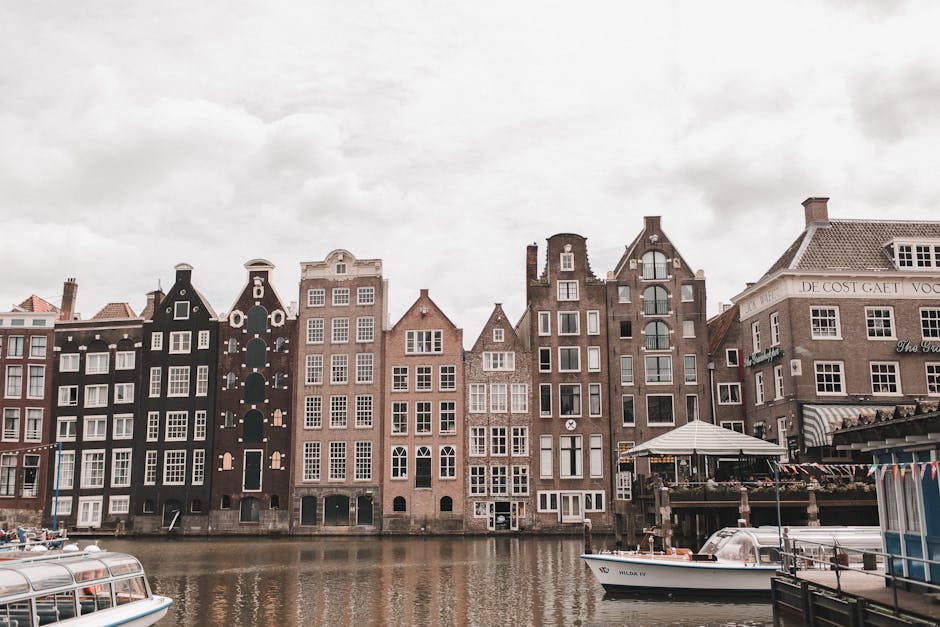
Amsterdam’s canals are its veins—each telling tales of the Golden Age, merchants, sailing ships, and vibrant daily life centuries ago. To enjoy them without fatigue, opt for an accessible canal cruise. These are boats with gentle ramps, lifts, and often staff trained to help. For example, there are fully accessible cruises that include audio commentary in many languages, and every landmark feels close and personal. You can find more information on accessible canal cruises in Amsterdam.
The Blue Boat Company is another great option. They operate several boats with wheelchair lifts and offer flexibility in choosing times. Be sure to reserve ahead so they can assign the right boat.
What to look for on your route
- The Skinny Bridge (Magere Brug): elegant, movable, photogenic.
- Montelbaanstoren: a medieval tower that seems plucked from a fairytale, where cranes, water, and architecture mingle harmoniously.
- An array of gabled canal houses—each with its own peculiar tilt or color. They tell stories of merchants, guilds, and city taxes (yes, windows used to cost more tax).
Courtyards & Hofjes: Quiet Corners of History
When the day gets busy, these hidden courtyard sanctuaries—hofjes—offer calm, fresh air, and whispers of old Amsterdam.
Must-see hofjes
- Begijnhof (near Spui Square): built in the 14th century for the Begijnen—women devoted to religious life without taking full vows. The chapel is pretty, the green center peaceful, and there’s Amsterdam’s oldest wooden house here. This is a fantastic free experience.
- Karthuizerhof in the Jordaan: classic 17th-century architecture, with donor names still carved in stone above the gate, serving as a living memory of charity and care.
- Van Brienenhofje on Prinsengracht: features stately facades and neat gardens—such elegance that it’s easy to forget you’re just steps away from busy canals.
- Museum Van Loon: this one combines a courtyard with a house-turned-museum. It’s housed in a major canal house built in 1672, showcasing art, furniture from centuries past, and even “fake doors” meant only to preserve symmetry. Yes, 18th-century designers really thought through every detail.
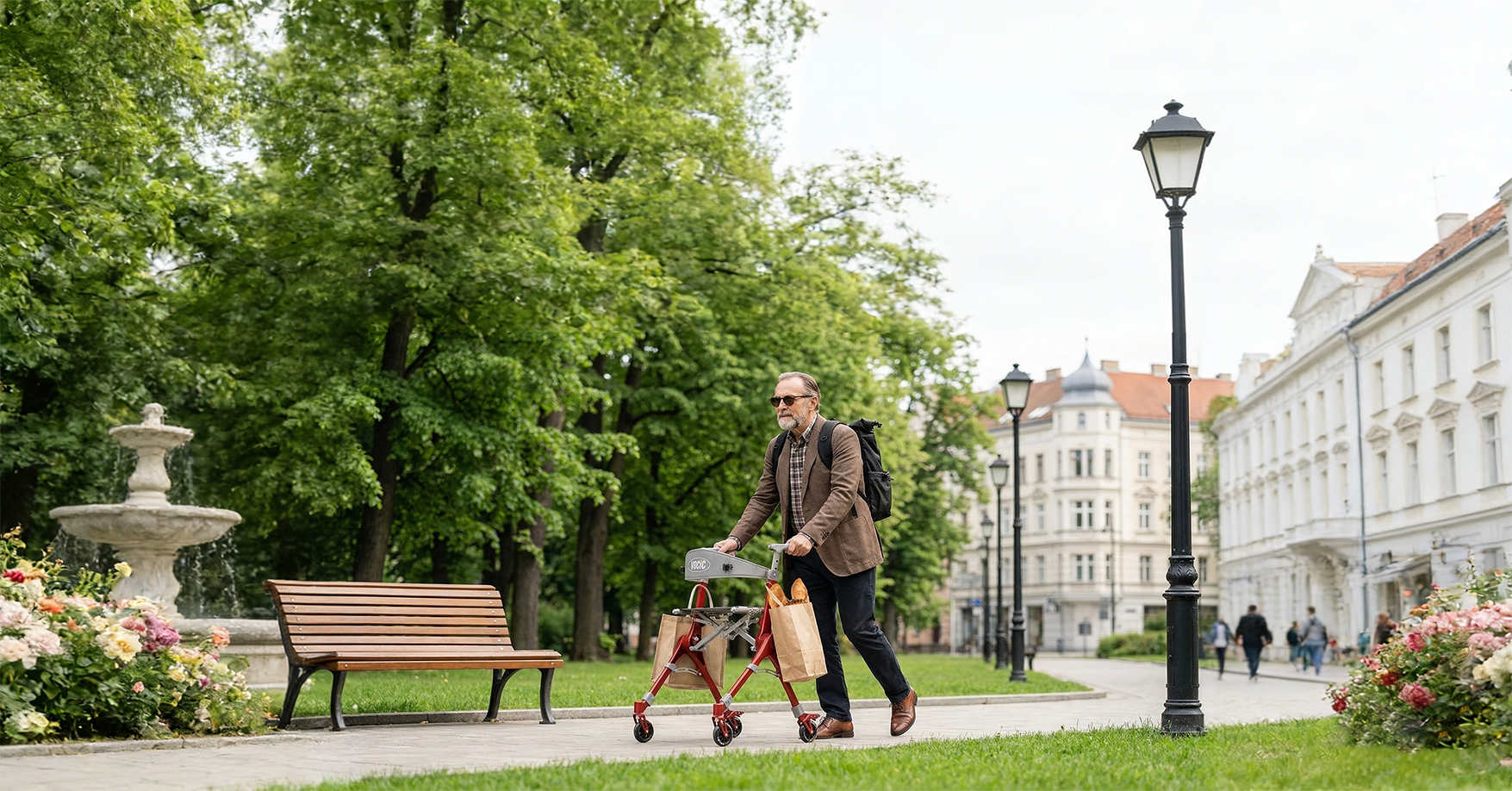
Tip: Bring a folding walking stick, wear comfy shoes, and carry water. These little gardens are calm—but don’t always have benches everywhere.
Museum Time: Stories Behind the Walls
Amsterdam’s museums aren’t about standing and staring—they’re immersive. Paintings, ship logs, philosophy, tulips… all of it awaits. But pacing matters.
Great options & hours
- Rijksmuseum: home to a major collection from Dutch and European masters. It’s open daily from 9am to 5pm; cafes remain open a bit longer. It’s best to book a timeslot online to avoid queues.
- Wereldmuseum Amsterdam: showcases culture, history, and artifacts from around the globe. It’s closed on Mondays (outside of school holidays), but open from 10am to 5pm Tuesday to Sunday. You can find more details on their hours and admission.
- Amsterdam Museum + Willet-Holthuysen House: excellent for exploring the city’s history, fashion, and interiors. The Willet-Holthuysen House is compact and lovely—just note that due to stairs (no lift), it may not suit everyone. Check their tickets and visit information.
- Amsterdam Tulip Museum: a small, charming, and sensory experience with good smells, colors, and stories about “tulip mania”—the 1630s boom and bust of the bulb trade.
Savvy ways to visit without overdoing it
Give yourself no more than two big museums in a day. Mix large museums (like Rijksmuseum) with smaller ones or courtyard walks. Late mornings are often less crowded; early afternoons can feel heavy after lunch.
Passes, Cards & Smart Ticketing
To save money and time (both precious when you’re older), these are the tricks locals use:
- Museumkaart (Museum Card) – this gives entry to ~450 museums across the Netherlands, many in Amsterdam. There’s also a temporary version—good for ~5 entries over 31 days—which is handy for visitors.
- I amsterdam City Card – includes access to 70+ museums, public transport (trams, ferries), and often canal cruises. This is a great option if your plans include many experiences.
- Always reserve timed-entry tickets ahead. Museums like Rijksmuseum require this. It reduces waiting, saves energy, and keeps your day flowing.
- Check for discounts—senior rates, free with certain cards, or reduced entry for small exhibits. Even if you don’t match the usual “student” or “child” discounts, there are occasional senior or public-pension-friendly ones. Always ask. Museums are usually happy to accommodate.
Your Sample Itinerary (at Your Pace)
Here’s how two gentle days could look. Where you go, how long you stay—totally up to you. But this can keep things enjoyable, not exhausting:
Day One
- Morning: Accessible canal cruise. Start at 10:30 or noon. Float past Herengracht, Goldenes Gracht, Skinny Bridge. See the city from the water—calm and cool.
- Lunch near Museumplein (cafés with seating). Then head into Rijksmuseum—give yourself 2-3 hours to see the main works.
- Late afternoon: Walk or take a tram to Museum Van Loon. Enjoy the garden and canal house setting. Early dinner nearby.
Day Two
- Morning: Relaxing walk through Begijnhof. Absorb the peace, maybe stop for tea in a nearby area.
- Midday: Visit Wereldmuseum or Amsterdam Museum. These are small enough to explore without feeling overwhelmed.
- Afternoon: Explore hidden hofjes like Van Brienen or Karthuizer. Take your time. Finish with sunset views from a terrace or canal bank.
Little Extras That Make It Comfortable
- Use public transport when possible. Trams and ferries are frequent. If walking is hard, a short tram ride beats tired legs.
- Cafés at museums: They offer restrooms, free water, and light bites. It’s a good idea to break for 15-20 minutes every so often.
- Carry a backpack or cross-body bag so your hands are free. This is also helpful if you need a lightweight outer layer (Amsterdam weather can change quickly).
- Visit early in peak season or during off-peak days. Tours and crowds are smaller midweek; mornings are cooler and quieter.
Why Amsterdam Hits Different When You Slow Down
This city rewards the patient: canal bell-chimes, centuries-old bricks, hidden gardens behind ancient gates. Things you might miss whizzing past, you sense fully when you take your time. Old houses have scars, engraved stones, artfully crooked lines. History isn’t something locked in glass—it whispers in the air, in reflections on water, in moss on stone.
Wrapping It Up
Amsterdam isn’t just about ticking off landmarks. It’s about soaking in light, history, waterways, quiet courtyards, and the feel of centuries underfoot. For older travelers, who’ve seen a lot and want meaning over speed, this city offers treasures in small moments. Plan carefully, take breaks, follow your pace—and you’ll leave with stories that stay planted in the chest long after you’ve returned home.