Singapore Easy: Gardens, Hawker Centers & Cool Escapes
Thinking about Singapore as a vacation destination? Especially if you’re in that golden years phase—where you want beauty, stories, flavor, and a calm pace—you’ll find Singapore has a wonderful blend of all that. Let’s wander through gardens that soothe, hawker centers that delight, and escapes that refresh. I’m your guide—if you can enjoy the small joys, the history, the scents, the tastes—you’re going to love this.
The Gardens That Breathe Vintage and Tranquility
Gardens by the Bay: Futuristic Grace Made Gentle
If there’s one garden everyone talks about, it’s Gardens by the Bay. Opened in 2012, this 101-hectare marvel brings together nature, engineering, and art. What draws most folks—especially those who appreciate comfort and shade—are the two cooled conservatories: the Flower Dome and Cloud Forest.
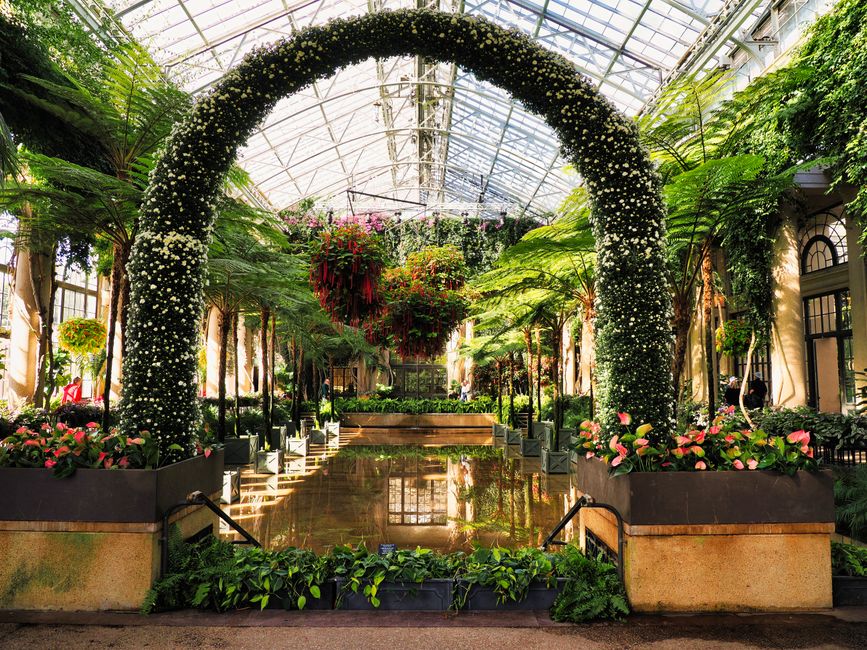
The Flower Dome feels like stepping into a soft dream of spring—even when it’s blazing outside. It replicates a cool-dry Mediterranean climate: olive groves, succulent gardens, flower fields that shift with the seasons. Cherry blossoms, winter blooms, even tulips from far-away places make appearances, as showcased in this piece detailing its Japanese sakura displays. Cloud Forest, on the other hand, is cooler and mistier—it has a tall indoor waterfall, winding paths, and layers of plants that grow in mountain zones. If you want peace, maybe early morning or late afternoon here is perfect before the tour groups arrive.
Don’t miss the Supertree Grove—those metallic, vertical gardens that glow after dark with lights and music. There’s even an elevated walkway, the OCBC Skyway, giving views that stretch across Marina Bay, which can feel surreal. These landmarks unite futuristic vision and serenity; you’ll leave feeling moved and leveled.
Jurong Lake Gardens: Two Gardens, Deep Roots, Fresh Features
Jurong Lake Gardens—reopened fully in September 2024—includes the Chinese Garden and Japanese Garden, refreshed yet faithful to their original spirit. Total area: about 90 hectares of lakes, pavilions, winding paths, and peace. The gardens are now designated as Singapore’s first national gardens in the heartlands, meaning they are closer, gentler, and for everyone, as highlighted by NParks’ announcement.
The Chinese Garden features familiar icons like the Twin Pagoda and the Stone Boat, elegantly reworked. In the Japanese Garden (also called Seiwaen), you’ll find still waters, arched bridges, gravel paths, Tōrō stone lanterns, and koi-filled ponds. They instill calm in that way only traditional gardens do. Vintage meets fresh in November–December when landscaping and horticultural detail get attention.
New additions include a Water Lily Garden with its largest display ever, a Sunken Garden like a green canyon, cascading waterways, and interior halls under trees for shade. These features make the gardens very senior-friendly; walk gently, sit often, and watch the water ripple.
Fort Canning Park: History Whispered in Trees
Nestled in the center of the island, Fort Canning Park covers many eras: royal courts before Singapore, the colonial era, and modern city life. It has nine different historical gardens, each telling a story—from the ancient spring known as “Pancur Larangan” (where royalty bathed), to the reproduction of Raffles’ botanic experiments, as detailed on NParks’ website.
What makes Fort Canning magical? It’s compact but layered. You can wander uphill along broad paved paths that aren’t challenging, but offer views and cool breezes. You find ruins, old fort walls, and murals. Pause at shady spots and enjoy the bird calls. It’s also central—easy to combine with a meal or museum stroll.
Hawker Centers: More Than Just Food—Flavor, Stories, Community
Hawker centers are the heart of Singapore. Cheap? Yes. Delicious? Absolutely. Full of stories? Oh yes. They’re like outdoor museums of flavor, each stall with its own long-lived family history. UNESCO declared hawker culture part of the intangible heritage in 2020, recognizing its significant cultural value, a point also emphasized by National Geographic.
Maxwell Food Centre & Tian Tian Chicken Rice
Down in Chinatown / Tanjong Pagar, Maxwell is perfect around lunch. Tian Tian’s chicken rice? Pure silk-poached chicken, fragrant rice cooked in chicken broth, chilli, and dark sauce. The founder ran the place since the 1980s, and locals queue daily, making it a staple mentioned in discussions about Maxwell Food Centre.
Also around Maxwell, you’ll find hawkers selling herbal broths, Nyonya food, and perhaps some herbal drinks. It’s full of flavor without chasing trends.
Hong Lim Market & Food Centre
This one feels quieter early, livelier midday. It’s home to Outram Park Fried Kway Teow Mee and Tai Wah Pork Noodle—local legends in their own right. They make you understand language, heritage, and taste crossing cultures. Every mouthful has warmth, and these stalls are part of the vibrant hawker scene in Singapore.
Old-School Gems (Because time slows taste)
- Long Kee Carrot Cake in Ang Mo Kio. When it opens (often mornings), you see the cook stirring on a charcoal wok, with eggs and radish cake getting crispy-charred on the edges. Briny, smoky, and utterly nostalgic, it’s a prime example of long-standing hawker traditions.
- Lau Hong Ser Rojak at Dunman Food Centre. Crisp bits of fry, tropical fruit, and a special sweet-sour peanut sauce create a mix that’s crunchy and soft all at once. This also represents the rich heritage of Singapore’s hawker gems.
Cool Escapes & Hidden Corners: Just When You Need Rest
Sungei Buloh Wetland Reserve: Mangroves & Migratory Birds
For a slow day out, escape to Sungei Buloh Wetland Reserve in north-west Singapore. A mangrove haven with boardwalks, where you can watch birds and listen to leaves rustle—it’s nature unfiltered. It’s especially lovely in the early morning when the air is cooler and the tides are lower. You might spot kingfishers, monitor lizards, herons, or even mudskippers. Bring binoculars, perhaps a folding chair, and just enjoy the quiet space.
Southern Ridges: Views Without the Climb
Although this is a suggestion, Southern Ridges offers gentle exploration with scenic rewards. Paths like Henderson Waves, elevated walkways that curve above the treetops, connect parks with views over the green islands offshore. The bridges are designed with benches and rest spots. If you like panoramas, sea breezes, and less traffic, this is a winner.
Keppel Bay & Lazarus Island by Boat
Short boat rides can lead to villa-edged bays or clean beaches, offering an escape from the city hum. Keppel Bay boasts calm waters and seaside walks. Lazarus Island offers a sandy stretch and shady trees. If your travel pace enjoys salty air, beach walks, and cooling waves, these locations will feel like time slowed down.
Tips for Traveling Singapore at a Gentler Pace
- Visit gardens early morning or late afternoon for shade and fewer crowds.
- Take hawker meals between normal meal times (noon or 1pm, maybe 3-4pm) to avoid queues and heat.
- Wear layers—indoors (flower domes, food halls) can be cooler than outdoors.
- Choose accommodations close to a transit line—it helps reduce walking distances.
- Stay hydrated, carry a fan or a hat—the tropical sun can be relentless.
What to Expect—and Why It Matters
Gardens offer more than pretty flowers; they are living history. The Singapore Botanic Gardens, for example, traces its roots back to 1859 when British colonial botanists and naturalists laid out experimental zones. It has since become a UNESCO World Heritage Site. Places like Fort Canning carry stories of ancient Singapura (14th-century), colonial wars, and gardens once used for royal bathing. These layers of time are soothing; they give places weight, making you feel like you’re walking through memories.
Hawker centers aren’t just feeding your belly—they feed your curiosity. Recipes brought by immigrants, kept alive by families, and stalls passed from generation to generation, with flavors tweaked but never abandoned. Even long-lived corners like Zam Zam (more than a century old), making murtabak and curry, still stand as testaments to enduring culinary traditions, as explored in this article on Singaporean food heritage.
Summary
So whether you’re gardening among futuristic Supertrees, watching koi in traditional reflections, tasting decades-old carrot cakes, or simply floating away from city noise at the wetlands or beach, Singapore offers lush, flavorful, and relaxing options. For seniors or anyone looking for travel that isn’t just about ticking boxes, these ideas offer pace, depth, and delight. Bring your curiosity. Let your senses lead. Singapore might surprise you—softly, gently, with something you weren’t expecting.