There’s a certain kind of quiet that doesn’t show up on a budget spreadsheet. It’s the silence after dinner when the TV becomes “company,” the long weekend hours when the only voices are ads and the weather report, and the growing feeling that life is happening somewhere else. At the same time, the loud numbers are impossible to ignore: rent, utilities, groceries, insurance—each year pressing a little harder.
That’s why “co-housing” and the modern “Golden Girls” model are gaining real momentum going into 2026. The idea is simple and surprisingly practical: a small group of older adults intentionally share a home (or a cluster of homes), share expenses, and share day-to-day life—without giving up independence. It’s not a dorm. It’s not an institution. It’s a middle path that blends privacy with built-in community.
This article explores how these communal living arrangements work today, what makes them succeed, and how senior centers can help people try the idea safely—before anyone signs a lease or buys a house together.
What Co-Housing Means in 2026
Co-housing comes in a few flavors, but the common thread is intentional community. Unlike a traditional roommate situation, co-housing is usually designed around shared values: mutual support, predictable boundaries, and a plan for how the household runs.
In some setups, seniors share a single-family home with private bedrooms (and sometimes private bathrooms), plus shared common areas like a kitchen, living room, laundry, and yard. In other models, people have separate small units (like ADUs or cottages) with a shared “common house” for meals and gatherings. The details vary, but the goal is the same: reduce costs and reduce isolation without turning life into a full-time social obligation.
What makes this trend feel especially “2026” is that more seniors are approaching it with structure—written agreements, shared digital calendars, chore systems, group budgeting tools, and a clearer understanding that compatibility matters as much as affordability.
The “Golden Girls” Model: Roommates, but Make It Adult and Intentional
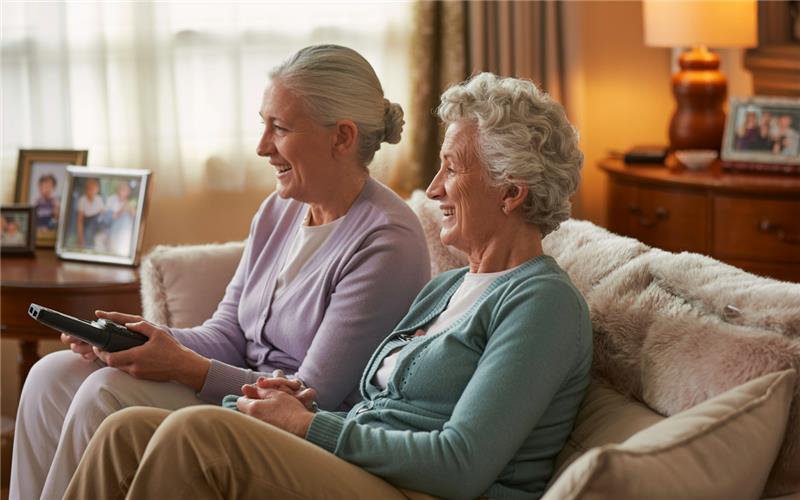
When people say “Golden Girls model,” they usually mean a small, roommate-style household of older adults who share a home and expenses. The pop-culture reference is cute, but the real-world motivation is serious: fewer people want to age alone, and fewer can afford to age alone.
The modern version typically includes private sleeping space, shared meals (sometimes), shared bills, and a light layer of mutual support—someone notices if you’re sick, remembers that your car is in the shop, or checks in after a medical appointment. That’s not medical care, but it is the kind of everyday awareness that can prevent small problems from turning into emergencies.
Many seniors also like that it’s flexible. Unlike a long-term care environment, a roommate-style home can evolve. A household can agree on quiet hours, visitors, pets, hobbies, and how to handle changes—like if someone starts needing more support than the group can realistically provide.
Why It’s Taking Off: Cost, Connection, and Practical Safety
Cost-sharing is the obvious win. Housing is usually the largest monthly expense, and sharing it can change the math dramatically. Rent or mortgage payments, utilities, internet, streaming services, groceries, and housekeeping can become lighter when split fairly. For people living on a fixed income, that can be the difference between constant stress and a little breathing room.
Social isolation is the quieter win. Loneliness isn’t just unpleasant—it can affect sleep, appetite, motivation, and mental health. Co-living doesn’t guarantee friendship, but it does increase daily interaction in a way that’s natural and unforced. Even simple rituals—coffee in the kitchen, a shared “good morning,” a quick chat while unloading groceries—add up.
Everyday safety improves when someone is nearby. Many seniors don’t need hands-on help, but they do benefit from a household that notices patterns. If a roommate hasn’t come out of their room by noon, someone checks in. If someone looks unsteady on the stairs, it’s caught early. It’s low-key support, and that can be powerful.
Co-Housing vs. Traditional Senior Living
It helps to clarify what co-housing is not. It’s not assisted living, and it’s not a nursing facility. Co-housing usually doesn’t include staffing or scheduled care. Instead, it’s a peer-based household where people choose to share space and responsibilities.
That distinction matters because the “care plan” is different. In co-housing, the household needs honest conversations: What happens if someone can’t drive anymore? What if someone has a fall? What if memory issues increase? The best households don’t avoid these topics—they build a plan before the plan is urgently needed.
Quick Comparison Table
Option
Best For
Main Tradeoff
What to Plan Up Front
Golden Girls / shared single home
Lower cost + daily companionship with private bedrooms
Compatibility and shared-space friction
House rules, bill-splitting, guest policy, exit plan
Co-housing community (private units + shared common space)
More privacy with built-in community
Often requires more planning and availability is limited
Care level, budget, contract details, future transitions
What Makes These Households Work
The strongest co-living arrangements have one thing in common: expectations are discussed early, while everyone is still calm, healthy, and flexible. If the household is built only around a financial crisis or a sudden loss, it can feel rushed—and rushed decisions are where conflict begins.
Clear boundaries protect friendships. People often assume co-living should feel like a constant social hangout. In reality, privacy is what keeps it sustainable. The best groups normalize alone time, quiet mornings, and separate routines. You can live together without doing everything together.
Money has to be boring and transparent. Bill-sharing sounds easy until it isn’t. Some households use a shared account for household expenses; others keep everything separate and settle monthly. Either can work, but it needs to be consistent and documented so nobody feels taken advantage of.
Household labor needs a gentle system. Chores are rarely the real problem—resentment is. A simple rotation (or a shared cleaning service budget) can prevent the “I’m doing everything” spiral. The goal is not perfection. It’s fairness that everyone recognizes.
An exit plan keeps the home stable. Even great households change. Someone may want to move closer to family, travel, or transition to a support setting. A basic, written “what happens if…” plan protects everyone from panic decisions and awkward conversations later.
Common Pitfalls to Watch For
Overestimating compatibility. Liking someone doesn’t automatically translate to living well together. It helps to talk through daily life details: TV noise, cooking style, pets, allergies, smoking, overnight guests, and bedtime routines.
Assuming caregiving is included. A household can be supportive without becoming a care team. It’s healthier to decide in advance what the group can and cannot provide. That keeps relationships intact and protects everyone’s well-being.
Skipping the “trial run.” Many conflicts are avoidable with a short test period—think a weekend stay, a two-week “swap,” or a month-to-month arrangement before committing long term.
How Senior Centers Can Help Seniors Explore Co-Living Safely
Senior centers are one of the best “launchpads” for co-housing because they already create community in a low-pressure way. They also help people get to know each other over time—through classes, meal programs, volunteering, and group activities—before anyone talks about sharing a house.
One practical idea is a “Co-Living Conversation Circle” hosted at the center. Instead of matchmaking, it’s a structured discussion: why people are interested, what they need to feel safe, how they handle conflict, and what kind of household rhythm they want. The point is to build clarity, not urgency.
Centers can also teach the skills that make co-living smoother: basic budgeting workshops, conflict-resolution mini sessions, and planning tools (like a simple household agreement checklist). Even a one-hour seminar can help people avoid the biggest mistakes.
If you’re looking for programs and communities that can help you stay socially connected while exploring new living options, start with the directory at Senior Centers. Staying engaged locally makes every housing choice easier.
Practical Steps to Try the Idea Without Overcommitting
For many seniors, the best first step is not moving—it’s experimenting. Try a shared weekly dinner. Try splitting a grocery run. Try a walking routine or a class schedule that builds consistent connection. If co-living is appealing primarily because of loneliness, community habits can reduce that pressure right away.
If cost is the main driver, start by mapping monthly expenses and identifying what co-living would actually change. Some people discover they mainly need lower housing costs; others realize transportation, healthcare, or debt is the bigger weight. That clarity prevents co-living from becoming a “solution” to the wrong problem.
And if you’re coordinating with family, bring them into the conversation early. Co-living works best when it’s understood as a proactive, empowering choice—not a last resort.
Resources
If you’re considering co-housing or a Golden Girls-style home, these resources can help the decision feel more grounded and less overwhelming:
Your local senior center for community-building, classes, caregiver support, and networking with people who share your interests. Explore options here: Senior Centers.
Local housing counselors and tenant resources for lease review basics, renter rights, and fair housing guidance in your area.
Area Agency on Aging (AAA) for caregiver support, benefits guidance, and local aging services.
Legal aid or an elder-law attorney to review any written household agreement, especially if property ownership is involved.
Planning and lifestyle articles that can support the transition conversation and reduce stress around change. Browse ideas in the Newsletters archive for timely topics that families and seniors are already discussing.
Bottom Line for 2026
Co-housing and Golden Girls-style living aren’t just trendy—they’re a practical response to real pressures. They can soften the cost of living, reduce isolation, and add everyday safety through simple proximity and community rhythm. But the success of communal living depends on clarity: boundaries, finances, expectations, and a plan for change.
If the idea appeals to you, start small, talk honestly, and use your senior center as a place to build the relationships and skills that make co-living feel stable. A home can be shared without independence being sacrificed—and for many seniors in 2026, that balance is exactly the point.
Browse thousands of Senior Centers from around America. Senior Centers are an integral part of society and are the center of life for many seniors and aging adults.
Find a Senior Center which fits your needs using our search feature and keep up to date on all the latest news.
Advertisers are not endorsed by SeniorCenters.com or any senior center listed. This site is not endorsed by or affiliated with any senior center or organization listed.
To provide the best experiences, we use technologies like cookies to store and/or access device information. Consenting to these technologies will allow us to process data such as browsing behaviour or unique IDs on this site. Not consenting or withdrawing consent, may adversely affect certain features and functions.
Functional
Always active
The technical storage or access is strictly necessary for the legitimate purpose of enabling the use of a specific service explicitly requested by the subscriber or user, or for the sole purpose of carrying out the transmission of a communication over an electronic communications network.
Preferences
The technical storage or access is necessary for the legitimate purpose of storing preferences that are not requested by the subscriber or user.
Statistics
The technical storage or access that is used exclusively for statistical purposes.The technical storage or access that is used exclusively for anonymous statistical purposes. Without a subpoena, voluntary compliance on the part of your Internet Service Provider, or additional records from a third party, information stored or retrieved for this purpose alone cannot usually be used to identify you.
Marketing
The technical storage or access is required to create user profiles to send advertising, or to track the user on a website or across several websites for similar marketing purposes.