Kyoto in Comfort: Gardens, Teahouses & Temple Calm for the Discerning Traveler
If you’re dreaming of a Kyoto trip that soothes the soul, not exhausts the joints, this guide is for you. With age comes perspective—slow journeys are often the richest. Imagine wandering along shaded stone paths, sipping matcha in a teahouse, pausing under mossy gates, hearing only your own footsteps. Let me take you to some of Kyoto’s gentlest gems—gardens, teahouses, and temples that whisper calm. Yes, we’ll still get history, tell stories, but let’s move at a pace you’ll love.
What Makes a Spot Comfort-First?
- Easy access—flat paths, benches, nearby transportation.
- Quiet corners where tourists thin out by midday.
- Elements to engage the senses: scent of moss, sound of water, texture of wood.
- Teahouses designed for slow sipping, not rush hour.
- Temples with history you can feel; stories that linger.
Peaceful Gardens to Stroll (and Sit)
Murin-an: A Meiji masterpiece of water, lawn & reflection
Murin-an is that sweet spot where traditional Japanese garden design meets a bit of Western lawn comfort. Built in 1894-96 by statesman Yamagata Aritomo and designed by master gardener Ogawa Jihei (also called Ueji), it’s a promenade garden—flat enough for easy walking, with benches and quiet views everywhere you turn. You can learn more about its history at Wikipedia.
Winding through shaded woods, streams fed by Lake Biwa, a triple-waterfall, open lawn spaces and a classic tea house—everything here invites you to pause. The tea house looks out over the garden; enjoy matcha (or coffee, if you like) and Japanese sweets while seated on tatami or wooden floors. The garden opens at gentle hours, fees are moderate. For you, the best times are spring (fresh leaves, cherry blossoms) and fall (red maples mirrored in water). Discover more at Japanesegardens.jp.
Shosei-en Garden: From Buddhist retreat to scenic escape
Shosei-en feels almost hidden in plain sight—adjacent to Kyoto Station, yet peaceful. The paths curve around ponds, teahouses, and old wooden halls. Once a retirement residence for Buddhist abbots in the 17th century, it still carries that sense of quiet retreat. Find details on its history at Wikipedia.
This garden is perfect for afternoons when your energy is a bit depleted: walk slowly, sit by the pond, gaze at koi or floating lotus (depending on season). Ideal for those who want garden beauty without climbing hills. Also: it’s officially a “Place of Scenic Beauty” so the grounds are well-maintained, as noted on Wikipedia.
Teahouses: More Than a Cup of Tea
Tsuen Tea House, Uji: Oldest, friendliest, steeped in history
If you want tea with pedigree, Tsuen is hard to beat. Founded in 1160 in Uji, just outside Kyoto, this teahouse has been run by the same family for over 800 years. Crossing Uji Bridge, you’ll spot the building’s wide overhanging eaves and minimal support pillars (built Edo-period) that make entrance easy for many, as explained on Wikipedia.
Inside, expect centuries-old tea jars, quiet corners, and views of the flowing river. The matcha, gyokuro, sencha—they taste rooted in time. Even those who don’t drink tea will feel enriched by the weight of history and calm. Try pairing tea with wagashi, the seasonal sweets. It’s modest, earnest, and unhurried. More about its heritage can be found at Wikipedia.
#MA & Ippodo Chaho: Modern teahouses with gentle elegance
These are good bets if classic tea rooms feel too remote or modest. #MA is housed in a traditional machiya townhouse near Toji Temple; look out for 200 tea varieties, thoughtful snacking, and beautifully lit wooden interiors. Counter seating and table seating (not tatami) means less bending. Learn more about this unique spot at nihonchaseikatsu.com.
Ippodo Chaho Kyoto Main Store has been around since 1717. Traditional, yes—but friendly. Order your tea in the time you need it, savor, linger. Walls lined with tea jars, tatami comfort, soft light—you’ll likely stay longer than you planned. Their history is also featured on nihonchaseikatsu.com.
Temples that Breathe (Quietly, Reverently)
Hōnen-in: Philosopher’s walk meets mossy gate
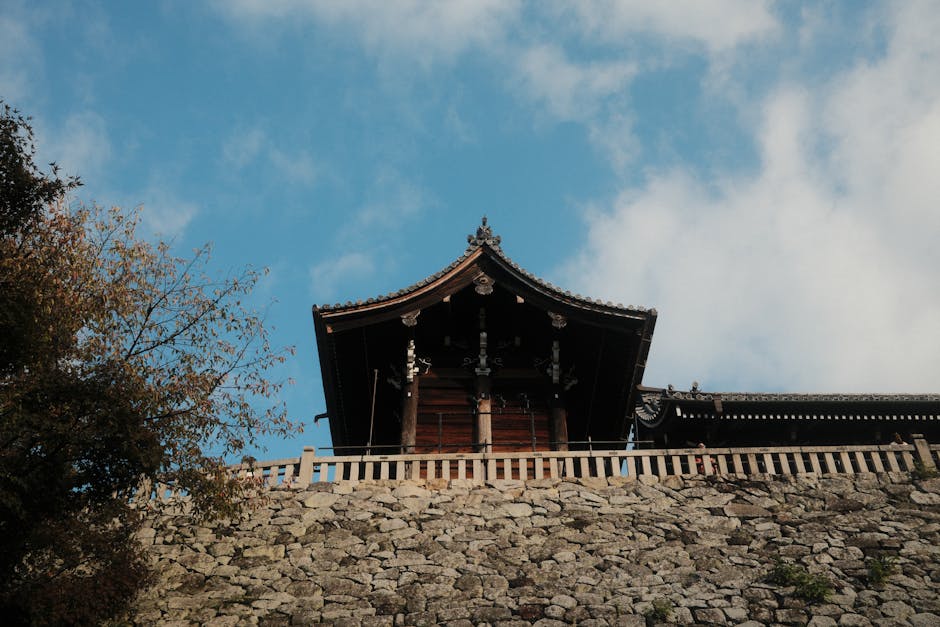
Walking the Philosopher’s Path is lovely, but diverge into Hōnen-in and you’ll find stillness. Step through the moss-covered Sanmon gate, past twin white-sand mounds (Byakusadan) that frame a kind of spiritual cleansing. Information about the temple is available on Wikipedia.
The pond garden, koi swimming in muted water, trees shading stone walkways—it’s meditative. Buildings are mostly closed except during special spring (April 1-7) and autumn (Nov 1-7) open houses, but the grounds are free to wander daily. Jun’ichirō Tanizaki, a famous novelist, is buried here; even that gravesite feels peaceful, not macabre. Explore more at Atlas Obscura.
Otagi Nenbutsu-ji: Statues, stories & unexpected smiles
Out past Arashiyama, Otagi Nenbutsu-ji is a hill temple with over 1,200 stone arhat statues (“rakan”)—each carved by different people, each full of personality. Some joyous, some contemplative, some even cheeky: one holds a tennis racket, another peeks out shyly. Its unique nature is described on Wikipedia.
The path up is gentle, stone steps are limited. The sculptures invite quiet reflection—what were their makers feeling; what memories they carved. The temple has had its share of misfortune—floods, relocation, typhoons—but restoration has turned it into a place of vibrant serenity. If you go in early morning or late afternoon, the light makes the rakan seem alive. You can find more information on its history at Wikipedia.
Chion-in: Grand gate, quiet gardens
While its large main gate (Sanmon) may be imposing—it’s the largest of its kind in Japan—the temple grounds are spacious, providing breathing room even when tourists are near. Sanmon gate, guest houses, and important historic buildings are beautifully scaled, and the gardens (Hōjō & Yūzen’en) are calm places to rest on benches or find shade. Details are on its official site, chion-in.or.jp, and further historical context is available on Wikipedia.
If big architecture delights you but crowds tire you, visiting Chion-in at less busy hours (early morning) gives you grandeur without overwhelm. Add a stop for tea nearby, or a quiet temple lecture if one is happening.
What to Watch For—Tips that Make a Visit Gentle and Memorable
- Go early or late: temples open early; gardens look magical with soft light, fewer visitors.
- Season matters: moss in summer, cherry blossoms in spring, maples in fall—but rain can be lovely too.
- Comfort over checklist: don’t try to cram too many sites. One garden + one temple + relax. Teahouse = perfect day.
- Footwear & rest stops: flat, supportive shoes; seek out teahouses with chair seating; look for shaded benches.
- Language & culture: silence is golden in temple halls; joining small guided tours often enhances experience without rush.
Sample Itinerary for Slow Kyoto
Here’s what a day might feel like if you take it easy—but deeply:
- Start with soft light: Murin-an garden at sunrise, local matcha + wagashi in the tea room.
- Amble along Philosopher’s Path, detour into Hōnen-in—pause at the moss gate, pond garden.
- Lunch near Nanzen-ji; maybe try obanzai (Kyoto home-style dishes).
- After lunch, head to Otagi Nenbutsu-ji; let the sculptures surprise you, take photos or rest by the arhat.
- Late afternoon: relax at Tsuen Tea in Uji—watch the Uji River flow, taste different teas, savor history.
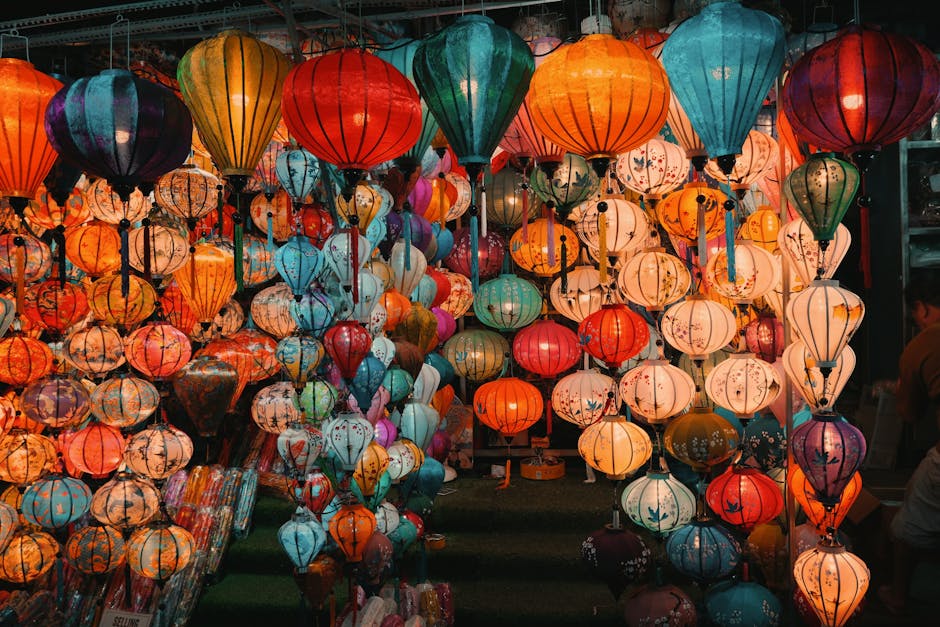
- Evening: dinner in Gion, slow walk under lanterns if energy remains.
Why These Places Speak to Those Who’ve Lived a Bit
Because they remind you what stillness feels like. Because they show care in every detail—the carved stone, the moss, the raked sand. Because time seems to stretch, and you’re allowed (expected) to stretch with it. Kyoto isn’t just for ticking off temples from a list—it’s for moments that hum quietly. And these gardens, teahouses, and temples? They offer exactly that.
Final Thoughts
If Kyoto is a song, these gentle gardens, timeless teahouses, and soul-deep temples are the melody you’ll want to carry home. One doesn’t need to see every spot. Some places you hug in your memory—not photos but precious feelings: moss under your sandals, steam rising from matcha, stone faces alight in golden afternoon. That’s what comfort in Kyoto is all about. Take your time—truly.