Living with chronic pain can feel like carrying an invisible burden, weighing down every aspect of life – from simple daily tasks to cherished social moments. For seniors, this challenge is particularly prevalent, often impacting mobility, sleep, mood, and overall independence. While medication can play a role in managing discomfort, a truly effective approach often extends beyond the pill bottle. This comprehensive guide is designed to empower seniors, their families, and caregivers with practical, non-pharmacological strategies and lifestyle adjustments to alleviate chronic pain and reclaim a higher quality of life. We’ll explore gentle movements, mind-body techniques, nutritional insights, sleep optimization, and the crucial role of social connection, all aimed at helping you or your loved one find sustainable relief and renewed vitality. By the end of this article, you will have a clear understanding of holistic pain management techniques and actionable steps to integrate them into daily life, fostering comfort and well-being.
Managing Chronic Pain in Seniors: Non-Pharmacological Strategies and Lifestyle Adjustments
Understanding Chronic Pain in the Golden Years
Chronic pain is defined as pain that lasts for more than three to six months, or beyond the ordinary recovery time following an injury or illness. Unlike acute pain, which is a direct response to injury and typically resolves, chronic pain can persist even after the initial cause has healed, or it can be associated with ongoing conditions like arthritis, neuropathy, or back problems. For seniors, chronic pain is a widespread issue, affecting a significant portion of the older adult population. It’s not merely a physical sensation; it’s a complex experience that can significantly impact emotional health, social engagement, and functional independence.
The impact of chronic pain on seniors is multifaceted. Physically, it can limit mobility, making activities like walking, dressing, or even sleeping difficult. This can lead to a sedentary lifestyle, which in turn exacerbates pain, weakens muscles, and contributes to other health issues. Emotionally, persistent pain can lead to feelings of frustration, anxiety, depression, and hopelessness. It can disrupt sleep patterns, further compounding fatigue and irritability. Socially, chronic pain can cause withdrawal from activities and loved ones, leading to isolation and loneliness, a significant concern for many older adults. Indeed, addressing chronic pain is not just about physical comfort; it’s about preserving a senior’s overall well-being and ability to enjoy life.
Embracing Movement and Gentle Exercise
One of the most powerful non-pharmacological tools for chronic pain management is movement. While it might seem counterintuitive to exercise when you’re in pain, gentle, consistent physical activity can significantly reduce discomfort, improve flexibility, strengthen supporting muscles, and boost mood. The key is to start slowly, listen to your body, and choose activities that are low-impact and enjoyable.
Types of Gentle Exercises for Pain Management
Regular, appropriate exercise can help reduce inflammation, improve circulation, release endorphins (natural pain relievers), and enhance overall physical function. Here are some excellent options for seniors:
- **Walking:** A simple yet effective exercise that improves circulation, joint flexibility, and mood. Start with short durations and gradually increase.
- **Water Aerobics/Swimming:** The buoyancy of water reduces stress on joints, making it ideal for those with arthritis or other musculoskeletal pain.
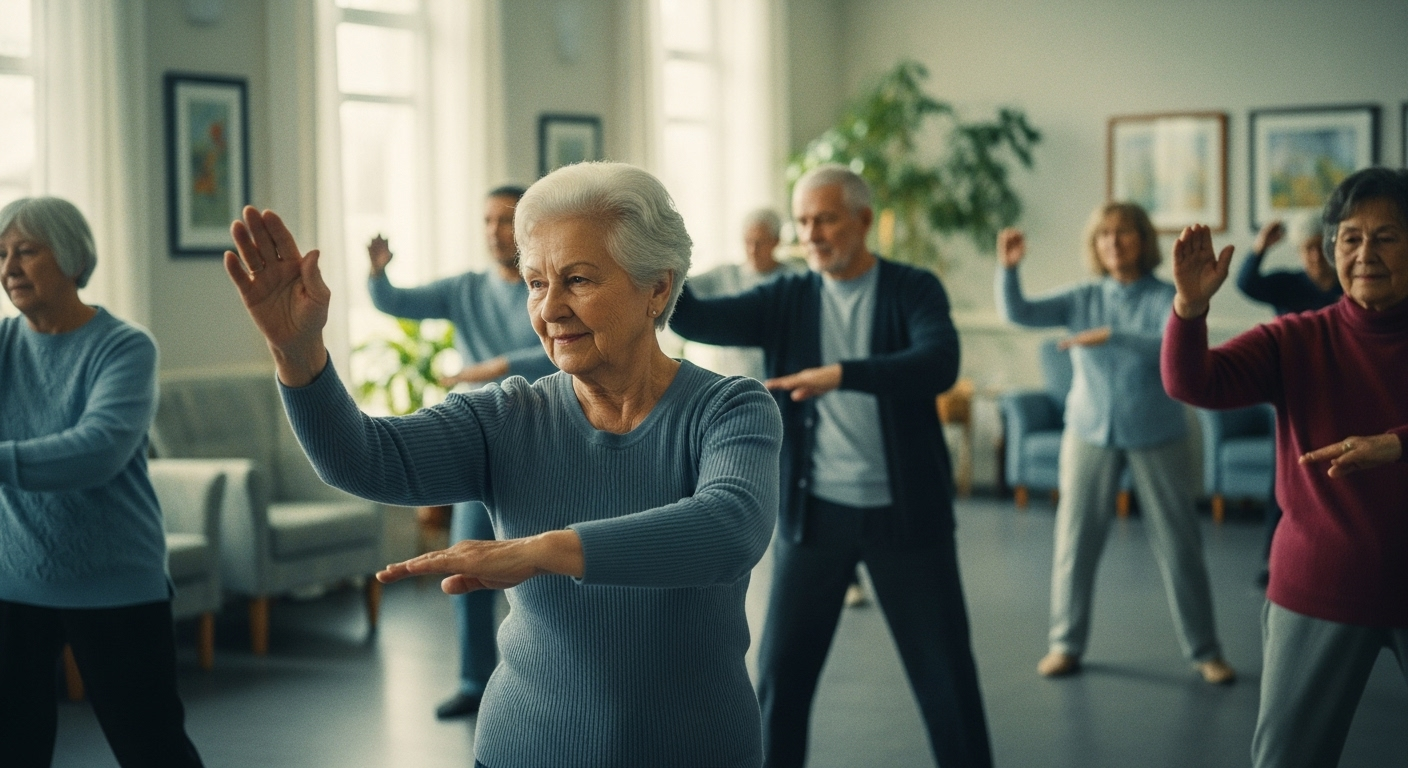
- **Chair Yoga/Tai Chi:** These practices focus on slow, deliberate movements, deep breathing, and mindfulness. They improve balance, flexibility, and reduce stress, all of which can alleviate pain. For specific routines, consider exploring daily mobility micro-workouts or the 10 best mobility exercises seniors can do.
- **Stretching:** Gentle stretching can improve range of motion and reduce muscle stiffness. Focus on major muscle groups and hold stretches for 20-30 seconds.
- **Resistance Band Exercises:** Using light resistance bands can help strengthen muscles around painful joints without heavy impact.
Always consult with a doctor or physical therapist before starting any new exercise regimen, especially if you have existing health conditions. They can help tailor a program that is safe and effective for your specific needs.
Mind-Body Techniques for Pain Relief
Chronic pain is not just a physical sensation; it has a significant psychological component. Mind-body techniques help you change how your brain perceives and processes pain signals, often leading to reduced discomfort and improved coping skills. These methods empower you to take an active role in your pain management.
Key Mind-Body Practices:
Incorporating these practices into your daily routine can offer profound benefits:
- **Mindfulness and Meditation:** Focusing on the present moment without judgment can help detach from pain sensations. Simple guided meditations can be found online or through apps.
- **Deep Breathing Exercises:** Slow, deep breaths activate the parasympathetic nervous system, promoting relaxation and reducing muscle tension that can exacerbate pain.
- **Guided Imagery:** Visualizing peaceful scenes or imagining pain dissolving can distract the brain from pain signals and promote a sense of calm.
- **Progressive Muscle Relaxation:** Tensing and then relaxing different muscle groups can help identify and release areas of tension often associated with chronic pain.
These techniques can be practiced anywhere, anytime, and require no special equipment. They are excellent complements to physical therapies and can enhance your overall sense of control over your pain experience. Engaging in mentally stimulating activities like online games and quizzes can also serve as a positive distraction and cognitive boost, indirectly aiding in pain management by improving overall well-being.
Targeted Therapies: Heat, Cold, Massage, and More
Beyond daily movement and mind-body practices, several targeted therapies can provide immediate or sustained relief from chronic pain.
Applying Heat and Cold Therapy
Understanding when to use heat versus cold is crucial for effective relief:
- **Heat Therapy:** Best for chronic muscle aches, stiffness, and joint pain. Heat increases blood flow, relaxes muscles, and can improve tissue flexibility. Use warm baths, heating pads, or warm compresses.
- **Cold Therapy:** Ideal for acute pain, swelling, and inflammation. Cold constricts blood vessels, reducing blood flow and numbing the area. Use ice packs (wrapped in a cloth) for 15-20 minutes at a time.
The Power of Touch: Massage and Manual Therapy
Massage can be incredibly beneficial for chronic pain. It helps relax tense muscles, improve circulation, and reduce stress. Various types of massage exist, from gentle Swedish massage to more targeted deep tissue work. Physical therapists, chiropractors, and osteopaths also offer manual therapies that can address structural imbalances contributing to pain.
Exploring Alternative Therapies
Some seniors find relief through complementary therapies:
- **Acupuncture/Acupressure:** Ancient Chinese practices that involve stimulating specific points on the body to balance energy flow and reduce pain.
- **Transcutaneous Electrical Nerve Stimulation (TENS):** A small device delivers low-voltage electrical currents to the skin, which can block pain signals and stimulate endorphin production.
Always discuss these options with your doctor to ensure they are appropriate for your specific condition and do not interfere with other treatments.
Lifestyle Adjustments for Sustained Comfort
Daily habits and environmental factors play a significant role in chronic pain. Making thoughtful adjustments to your lifestyle can create a more pain-friendly environment and support your body’s natural healing processes.
Nutrition and Anti-Inflammatory Diet
What you eat can directly impact inflammation levels in your body, which often contribute to chronic pain. An anti-inflammatory diet emphasizes:
- **Whole Foods:** Fruits, vegetables, whole grains.
- **Lean Proteins:** Fish (especially fatty fish rich in Omega-3s), poultry, legumes.
- **Healthy Fats:** Olive oil, avocados, nuts, seeds.
- **Spices:** Turmeric, ginger, and garlic have anti-inflammatory properties.
Conversely, limiting processed foods, sugary drinks, and excessive red meat can help reduce inflammation. For more specific dietary guidance, you might find our article on best foods to eat to help manage high blood pressure helpful, as many of these foods also support an anti-inflammatory diet.
Optimizing Sleep Hygiene
Pain often disrupts sleep, and poor sleep can intensify pain, creating a vicious cycle. Prioritizing good sleep hygiene is crucial:
- Maintain a consistent sleep schedule.
- Create a comfortable, dark, quiet, and cool sleep environment.
- Avoid caffeine and heavy meals before bedtime.
- Incorporate relaxation techniques before sleep.
For more in-depth advice on improving your rest, refer to our guide on sleep and aging: tips and comparisons.
Stress Management Techniques
Stress can heighten pain perception and increase muscle tension. Effective stress management is a cornerstone of chronic pain relief:
- Engage in hobbies and enjoyable activities.
- Practice relaxation techniques (deep breathing, meditation).
- Spend time in nature.
- Consider gentle social interaction.
Ergonomics and Home Modifications
Adjusting your environment can significantly reduce strain and prevent pain flare-ups. Consider:
- **Proper Seating:** Use ergonomic chairs with good lumbar support.
- **Adjustable Beds:** To find the most comfortable sleeping position.
- **Assistive Devices:** Reachers, grab bars, shower chairs, and other tools can make daily tasks easier and safer. Our article on assistive tech on a budget offers creative solutions.
- **Decluttering and Fall Prevention:** A safe home environment reduces the risk of injuries that could worsen pain. You might find our ultimate fall prevention home audit useful for identifying potential hazards.
The Vital Role of Social Connection
Chronic pain can be isolating. The discomfort might make it difficult to participate in social activities, leading to withdrawal and loneliness. However, maintaining social connections is incredibly important for emotional well-being and can actually help manage pain.
Engaging with others provides distraction from pain, offers emotional support, and can reduce feelings of depression and anxiety. Whether it’s joining a book club, volunteering, attending senior center events, or simply spending quality time with family and friends, active social engagement can significantly improve your quality of life. For strategies on building and strengthening social connections, read our article on combating loneliness in retirement.
Collaborating with Your Healthcare Team
While this article focuses on non-pharmacological strategies, it’s crucial to work closely with your healthcare providers. They can offer a diagnosis, rule out serious conditions, and help you integrate these strategies into a comprehensive pain management plan. Open communication is key to ensuring your treatment plan is effective and safe.
Questions to Ask Your Doctor About Chronic Pain
Coming prepared with questions can help you get the most out of your medical appointments. Here’s a table of essential questions:
| Category |
Specific Questions to Ask |
| **Diagnosis & Cause** |
What do you believe is the primary cause of my pain? Are there any underlying conditions contributing to it? |
| **Treatment Options** |
What non-pharmacological treatments do you recommend for my specific type of pain? Can you refer me to a physical therapist, occupational therapist, or pain specialist? |
| **Medication Review** |
Are my current medications potentially contributing to my pain or its side effects? Are there any medications I should avoid with my current pain condition? |
| **Lifestyle & Self-Care** |
What specific exercises are safe and beneficial for me? Are there any dietary recommendations that could help reduce my pain? How can I improve my sleep to better manage my pain? |
| **Monitoring & Follow-up** |
How will we track my progress? When should I schedule a follow-up appointment? What are the signs that I should contact you immediately? |
For a broader guide on communicating effectively with your medical providers, consider reviewing questions seniors should ask their doctor.
Creating Your Personalized Pain Management Plan
Developing an effective chronic pain management plan is a personalized journey. What works for one person may not work for another, and it often involves a process of trial and error. Here’s a step-by-step approach to building your own plan:
- **Assess Your Pain:** Keep a pain journal. Note when the pain occurs, its intensity (on a scale of 1-10), what makes it better or worse, and how it impacts your activities. This data will be invaluable for you and your doctor.
- **Set Realistic Goals:** Instead of aiming for “no pain,” focus on achievable improvements, such as “be able to walk for 15 minutes comfortably” or “reduce pain by 2 points on the scale.”
- **Incorporate a Variety of Strategies:** Don’t rely on just one technique. Combine gentle exercise, mind-body practices, dietary changes, and ergonomic adjustments.
- **Start Small and Be Consistent:** Rome wasn’t built in a day, and neither is pain relief. Begin with small, manageable changes and commit to practicing them regularly. Consistency is more important than intensity.
- **Monitor and Adjust:** Regularly review your pain journal and assess what’s working and what isn’t. Be prepared to adjust your plan based on your body’s responses. This might involve trying new techniques or modifying existing ones.
- **Seek Professional Guidance:** Work with your doctor, physical therapist, or a pain management specialist. They can provide expert advice, introduce you to new therapies, and help you navigate the complexities of chronic pain.
- **Be Patient and Kind to Yourself:** There will be good days and bad days. Don’t get discouraged by setbacks. Celebrate small victories and remember that managing chronic pain is an ongoing process.
Conclusion
Chronic pain can significantly diminish the joy and independence of senior living, but it doesn’t have to define it. By embracing a holistic approach that prioritizes non-pharmacological strategies and thoughtful lifestyle adjustments, seniors and their caregivers can find meaningful relief and improve overall well-being. From incorporating gentle movement and nourishing foods to practicing mindfulness and fostering strong social connections, every step taken towards a more pain-friendly lifestyle contributes to a healthier, happier future. Remember, you are not alone in this journey. With patience, persistence, and the right strategies, a life with less pain and more vitality is within reach. Take that first step today, and empower yourself to live your golden years to the fullest.