Oaxaca at Your Pace: Markets, Moles & Monasteries
There’s something magical about moving through Oaxaca slowly—pausing to inhale the scent of toasted chiles, weaving through stalls of bright woven rugs, or feeling the rough stone walls of an old convent beneath your fingertips. If you’re planning a trip—especially as a senior traveler—this guide is for you. I’ll walk you through markets that dazzle, moles that mesmerize, and monasteries with stories etched in every arch.
Glimmering Markets: Where Culture & Color Collide
Markets in Oaxaca are lively chapters in the region’s story—daily rhythms, centuries-old traditions, artistry in motion. Visiting them isn’t just shopping; it’s immersion. Here are standout ones that you shouldn’t miss.
Tlacolula Sunday Market (Tlacolula de Matamoros)
Every Sunday, Tlacolula de Matamoros transforms. At sunrise vendors arrive by foot or truck, setting up stalls along eight blocks between the plaza and the bus station. You can learn more about this vibrant town on its Wikipedia page.
- What to see and do: Taste tejate, that ancient foam-topped corn and cacao drink; sample barbacoa, chorizo, tasajo; admire indigenous women in rebozos and embroidered huipiles.
- Things to keep in mind: Wear comfortable shoes—it gets packed. Go early, before 10 a.m., while the air’s cool and the offerings fresh. Cash is king.
Mercado 20 de Noviembre (Oaxaca City)
Want food theater? Mercado 20 de Noviembre is your stage. The “Pasillo del Humo” is legendary—smoke-filled halls where meat is grilled on wood fires. Sizzling, fragrant, chaotic in the most delicious way. Discover more about Oaxaca’s markets at Mexico Insider.
- Mole-hunt: Try mole negro, mole rojo, mole amarillo—all here, poured over chicken or enchiladas. Chefs and home-cooks do chops and sauces differently; sample generously to find your favorite. You can find detailed information about Oaxacan moles at Wikipedia.
- Snacks & sweets: Don’t miss fresh hot chocolate (cacao-rich), hot sweet bread, or an agua fresca to cool down.
Central de Abastos (Mercado de Abastos, Oaxaca City)
This is Oaxaca’s beating heart. A massive web of stalls spilling over with produce, meats, herbs, dried chiles, and the goods that feed the city—this is where people shop in bulk, where cooks and artisans mingle and trade stories. You can find discussions about this market on Reddit and more travel tips from Oaxaca Travel Tips.
- Why it’s worth the walk: You might find queso istmeño—local cheese with a salty, crumbly punch. Pack some melted mole paste for your next meal or bring home textiles.
- Tips for seniors: Go with someone if possible. Start with an idea of what you want to see to avoid getting overwhelmed. Bring water; shade is hit or miss.
Other Delightful Markets
If you have extra afternoons:
- Benito Juárez Market: Close to the Zócalo, a bit more tourist-friendly, beautiful handicrafts, weaving, color everywhere. Explore more options on Viator.
- Villa de Etla Market: Happens on Wednesdays. Known for cheeses—and it’s quieter than the big city markets. More market recommendations can be found at The Culture Trip.
- Mercado de Ocotlán: Fridays, artisan goods and ice cream (“nieves”) make this a sweet way to spend a day.
Moles & Flavors: The Heart & Heat of Oaxaca
Mole isn’t just a sauce—it’s history, geography, family recipes, artistry. Oaxaca claims dozens of moles, each carrying the flavor of its region, the toil of its maker. Delve deeper into the world of Oaxacan moles on Wikipedia.
- Mole Negro: Deep, dark, slightly bitter sweet—chocolate mixed with up to six types of toasted chiles, spices, nuts. A celebration in every bite.
- Mole Amarillo: Bright yellow, spicy and herbal with hoja santa. Perfect with chicken or pork.
- Mole Coloradito / Mole Rojo: Reds and oranges, dominated by ancho, pasilla, sometimes guajillo chiles. Less complexity than negro, but vivid, bold.
- Mole Verde: Fresh, vegetal, lighter. Think green chiles, herbs, lots of inti-something brightness.
You know what? The joy is trying little portions. Order the mole with just chicken or even cheesed tortillas at Mercado 20 de Noviembre or Tlacolula. That way you taste more. Pair with local chocolate or coffee to finish.
Monasteries & Convents: Silence, Stone, & Stories
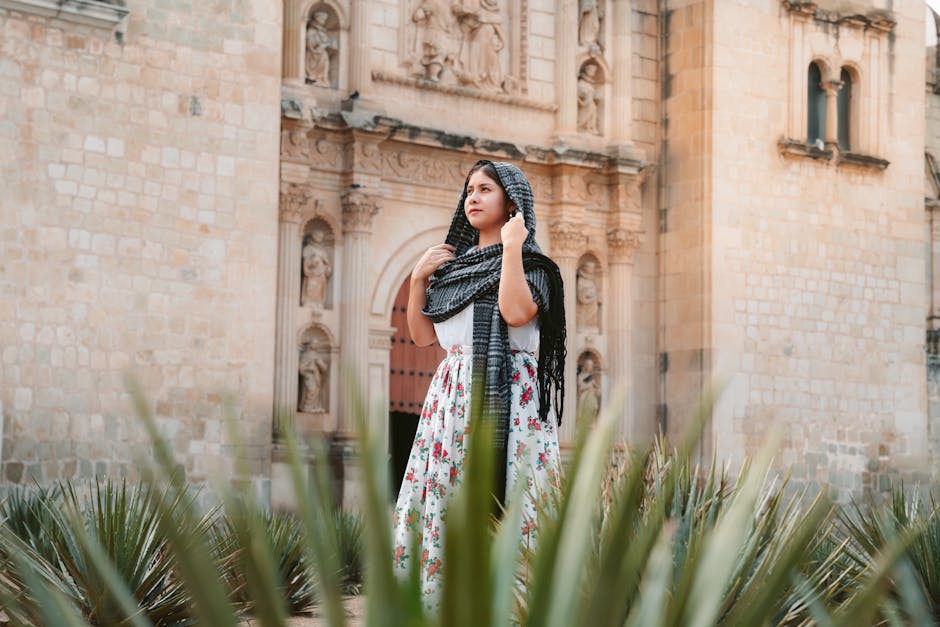
The monasteries of Oaxaca rise like ghosts of the past—solid stone, echoing corridors, plastered murals now cracked. They stir the imagination. Here are sacred retreats within reach.
Ex-Convento de San Pablo (Centro Cultural San Pablo, Oaxaca City)
This was the first Dominican convent built in Oaxaca—founded in 1529. The site has seen earthquakes, neighborhood encroachment, private homes built into its walls. Between 2006 and 2011, it was restored and opened as a center for arts, culture, and reading. You can find more historical details on its Wikipedia page.
- Why it’s moving: Underneath it, archaeologists found burials and ceramics that date back to around 600 BC—pieces from the Pre-Classic formative period. So you can literally feel the layers of time.
- What to do here: Sit in the cloakrooms or the cloister—they are serene. Attend an exhibition or concert if timing allows. Take some time in the on-site library. And enjoy the café, where art and aroma blend quietly.
Monastery of Santiago Apóstol, Cuilapan de Guerrero
Located just south of Oaxaca City, this monastery was begun in 1556 by Dominican friars. It boasts a rich blend of architectural styles—Gothic, Renaissance, Mudéjar—with indigenous touches in its decoration and murals. More information about its history and architecture is available on its Wikipedia page.
- Highlights: The basilica’s open-air nave; the cloister; the monumental baptismal font; murals with both European saints and Zapotec scenery.
- Tips for a dim-light explorer: Bring a sweater (the halls are cool), a flashlight if visiting corners, and go in the afternoon when light plays off stone walls beautifully.
San Pedro y San Pablo Teposcolula (Upper Mixteca Region)
Now this is one that often surprises visitors. San Pedro y San Pablo Teposcolula houses a 16th-century Dominican convent and church complex that includes an amazing open chapel—huge, beautiful, a bridge between old Zapotec worship and colonial architecture. You can learn more about this magical town on Oaxaca Travel.
- What makes it special: The open chapel, admired as one of the most skillfully constructed buildings in the Americas, where indigenous pre-Christian elements mix with Christian practice.
- Other touches: The Casa de la Cacica, palace of the Mixtec queen, the aqueduct that still snakes through the landscape—walking these plazas feels like stepping into a living history book.
- Getting there: It’s a longer day trip (or stay overnight) from Oaxaca City. Roads are winding; schedule your travel during daytime. Overnight stays are rustic but charming.
Putting It All Together: Sample Itineraries & Gentle Rhythms
To savor all this without feeling rushed, here are pacing ideas:
- 3-day stay: Day 1: Oaxaca City markets (Benito Juárez, 20 de Noviembre); Day 2: Santiago Apóstol monastery + evening market; Day 3: Tlacolula Sunday Market.
- 5-day slower itinerary: Add Teposcolula and Mitla; spend a quiet morning in San Pablo Center; take time to taste different moles; linger in monasteries.
- Seasonal note: Festivities, like the feast of Nuestra Señora de la Soledad in December, bring churches and basilicas to life. Humid season (June–September) brings intense rains—better for travel in drier months. Purchase mole jars when fresh, then preserve; handcrafted textiles are available year-round.
Stories, Cobblestones & Why These Places Touch the Heart
Why do markets make you feel alive? Why do monasteries give you goose-bumps? Because they hold people—real hands, laughter, worship, art, tears, and toast. Mole recipes passed down for generations; markets that once traded in barter, now in pesos. These places are more than architecture; they’re memory.
San Pablo convent isn’t just stone; it’s where scholars wrote in indigenous languages, where knowledge bridged worlds. Cuilapan isn’t just silence; the murals speak of how faith and culture woven together bore the scars of conquest and resilience. Teposcolula’s open chapel isn’t just beauty; it’s a meeting place where worlds collided, and new ones were born.
Summary: Your Oaxaca, Your Pace
Here’s what matters most if you’re traveling through Oaxaca with calm curiosity:
- Choose one market each morning—arrive early, let the light guide you, taste deeply.
- Try three different moles with small portions—you don’t need a feast to experience joy.
- Visit at least one monastery or convent—take your time with the walls, the silence, the stories.
- Balance movement with stillness—an evening praça, a café near Santo Domingo, a bench in Teposcolula.
Oaxaca rewards those who wander attentively. Allow time—for flavors, for stone, for laughter in the market—and you’ll leave with more than photos. You’ll carry pieces of history, color, and heart home with you. Safe travels—and ¡buen viaje!