At a Glance
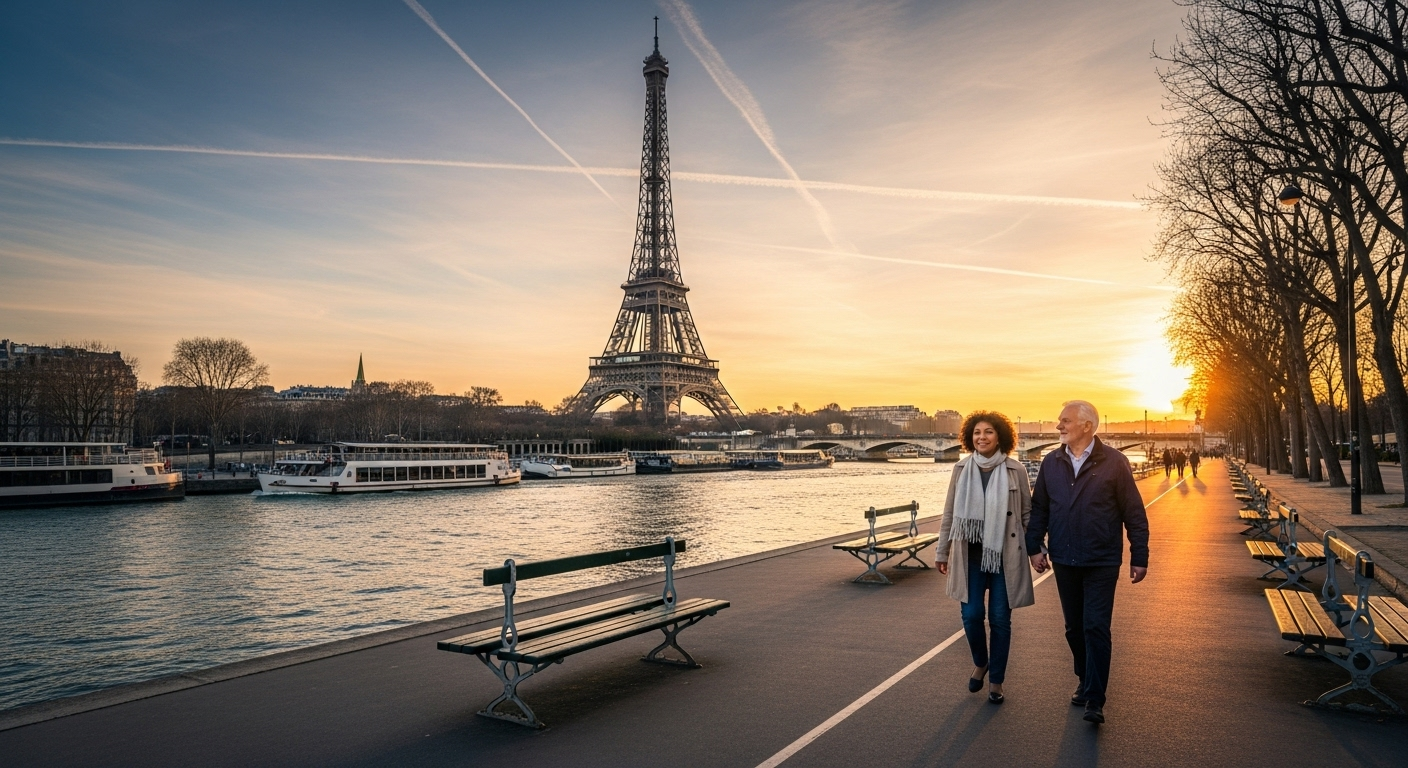
Paris, France unfolds at a gentle pace that suits many seniors, and this Paris senior-friendly guide is designed to keep days calm and enjoyable. The term senior-friendly guide to Paris is echoed in how we present seating-rich strolls, easy transit, and short, enriching experiences that still capture the city’s magic. Expect wide quays along the Seine, quiet neighborhood museums, and plenty of benches to pause, sip tea, and watch the world go by.
| Best time to visit |
Ideal trip length |
Typical daily steps |
Terrain & mobility notes |
Rest stop density |
Senior-friendly rating |
| Spring (April–June) or Fall (Sept–Oct) for mild weather and fewer crowds |
3–5 days |
4,000–7,000 steps/day (2.5–4.5 miles / 4–7.5 km) |
Mostly flat with some cobblestones; gentle inclines in older districts; shade in parks |
Benches and cafés every 10–15 minutes in core areas |
4.5/5 |
Why Go to Paris at a Gentle Pace
Paris rewards a slower tempo with easy-to-navigate streets and abundant seating, turning a big-city visit into a series of small, satisfying experiences. When you pace yourself, you can savor neighborhood bakeries, quiet gardens, and museums that feel welcoming rather than overwhelming. This approach, part of a True Paris senior-friendly travel mindset, emphasizes step-free routes when possible, short transfers, and ample time for rest. Even the riverfront feels more serene when you pause on a bench with a cup of coffee and watch the boats drift by.
Getting There & Your First 24 Hours
Arriving in Paris can be easy and relaxed, whether you fly into Charles de Gaulle (CDG) or Orly or arrive by high-speed train (TGV) from nearby cities. If you’re coming from the airport, consider a seamless transfer to a central hotel via direct rail links or a pre-booked taxi to minimize stairs and transfers. Your first 24 hours should begin with a gentle orientation walk: choose flat, well-shaded streets near your hotel, and aim for a light lunch at a quiet café with comfortable seating. Hydration and acclimation are key—take time to rest, stretch, and enjoy a leisurely stroll along a riverside path or a park edge before sunset.
Getting Around Easily
- Step-free or low-transfer transit options: many central stations offer elevators; ask for assistance at your hotel to map the easiest routes.
- When taxis or rideshares are preferable: Paris taxis are plentiful, with predictable ride times for short hops; rideshare apps often show vehicle options and wait estimates.
- Energy-saving mobility choices: river boats on the Seine provide scenic, low-effort alternatives to long walks; funiculars and elevator-equipped stations help on hills.
- Quiet times, shaded routes, and where to find benches and restrooms: plan daytime routes through parks like the Tuileries and Luxembourg, where shade and seating abound.
Gentle 3–5 Day Itinerary
Structure your days in short blocks with built-in rests. Each block includes a gentle walk, a seated break, and a low-stress activity, with an exit-early option if fatigue builds. Distances are provided in both imperial and metric units to help with quick planning. Breaks every 60–90 minutes keep energy steady and moods bright.
Day 1
AM (9:30–11:30): Stroll along the Seine from the Pont Neuf toward the Île de la Cité, covering about 1.2 miles (1.9 km) with frequent benches at the riverside. Pause at the Tuileries Garden for a short rest—there are plenty of shaded benches and sip-friendly cafés nearby. Stay near the river for easy scenery and gentle pacing; you’ll find a lot of seating and open lawns to sit and watch boats drift by.
Senior-Smart Tip: Keep an eye on surface texture along the quay. Smooth pavements near the river make for easier footing and fewer mood drops from fatigue.
PM (1:30–4:30): Visit the Musée de l’Orangerie to enjoy a compact, light-filled collection and easy-access service; allocate about 90 minutes to avoid crowding and to sit in the galleries between works. Exit early if legs feel tired, then stroll to Place de la Concorde and pause at a café with a view of the Tuileries gardens. If energy allows, finish with a short, flat loop through the gardens or along the Concorde axis (Rivoli Street) before returning to your hotel.
Day 2
AM (9:00–11:00): Head to the Luxembourg Gardens (Jardin du Luxembourg) for a flat, scenic walk around the ponds and shaded alleys; distance roughly 1.0–1.4 miles (1.6–2.2 km) with benches at regular intervals. Take a mid-morning break at one of the garden cafés or traditional chairs near the Medici Fountain. The whole space is designed for restful strolling with frequent resting points.
What to Skip: If crowds build at peak times, pivot to a quieter neighborhood walk in the Saint-Germain-des-Prés area, where small galleries and cafés offer easy seating.
PM (1:00–4:00): Visit the Rodin Museum in the afternoon, which combines indoor galleries with a peaceful sculpture garden—mostly flat walking with abundant seating. The grounds invite resting breaks between sculptures; you’ll enjoy a serene, compact space that’s easy to cover in a few hours. Optional riverbank stroll or a short café stop completes a relaxed day before heading back to your lodging.
Day 3
AM (9:15–11:15): Take a calm Seine river cruise from a central pier; many operators offer seated, weather-protected decks with easy boarding. The cruise provides a broad, low-walking overview of the city’s landmarks, ideal for seniors who prefer to stay seated for long portions of the trip. Disembark near the Île Saint-Louis, then enjoy a quiet lunch in a small bistro with tables that have comfortable seating.
Take It Easy: If a long boat ride feels too much, enjoy a short stroll along the riverbanks of the Left Bank or the Canal Saint-Martin with frequent benches for rest.
PM (1:30–4:30): Explore the Marais district at a slow pace, focusing on small shops, patisseries, and the wind-down energy of side streets. Keep the walk flat and select cafés with easy access and chairs. End with a scenic, low-stress sunset view from Pont Marie or Pont Louis-Philippe if energy remains high; otherwise, return to your hotel for a restful evening.
Day 4
AM (9:00–11:00): A gentle train trip to Versailles Gardens offers a serene alternative to a crowded palace interior. Focus on the expansive grounds and the Grand Canal along accessible routes; there are flat paths, seating along the water, and a comfortable pace that avoids long stair- or ramp-only sections. You’ll see immaculate landscaping, fountains, and vast greens without rushing through ostentatious interiors.
What to Skip: The interior palace rooms can be heavy for a slower pace; opt for the gardens and the grounds for a restorative experience instead.
PM (12:30–4:00): Return to Paris and relax with a final Seine-side coffee or a light lunch near your hotel. If stamina allows, take a short, level walk through a quiet neighborhood or a final, low-stress museum visit (e.g., a smaller, nearby gallery). This day provides a calm close to a four-day itinerary, with options to shorten if needed.
Top Sights with Seating & Facilities
- Musée de l’Orangerie: compact, bright galleries with ample seating; easy-access restrooms and a calm upstairs view of Monet’s Water Lilies.
- Jardin du Luxembourg: expansive lawns, shaded benches, child-friendly fountains, and ringed paths that accommodate longer, gentle strolls.
- Musée Rodin: sculpture gardens with seating nooks; generous sunlit and shaded spaces for resting between works.
- Seine River Banks: flat promenade paths along the river with frequent benches and accessible riverfront cafés.
- Île Saint-Louis & Île de la Cité: pedestrian-friendly streets with short blocks; many cafés and seating along the way.
- Musée de l’Orsay (ground floor focus): smaller, accessible sections with seating; plan a shorter, focused visit if preferred.
- Pont Neuf & Place Dauphine area: scenic, flat walking with occasional steps; plenty of benches for rests.
Calm Food & Coffee Breaks
- Seek quieter side streets and early dining hours to avoid crowds; reserve a table near windows with a view of street life.
- Look for classic cafés that offer terrace seating and easy access, ideally away from major tourist boulevards.
- Typical Parisian staples to enjoy slowly: flaky croissants, light quiches, salads, and seasonal soups; many cafés offer reasonable senior discounts when available.
Short Day Trips (≤90 minutes each way)
- Versailles Gardens (train ~40–60 minutes): ample flat grounds and tranquil benches; focus on the Grand Canal and the grounds for a restful visit.
- Giverny (train + shuttle ~60–75 minutes): Monet’s gardens offer serene paths and frequent rest stops; aim for morning light and moderate pacing.
- Château de Saint-Germain-en-Laye (train ~25–35 minutes): expansive gardens and flat terraces with accessible paths and benches for breaks.
When to Go & Weather Considerations
- Best seasons for a gentle pace: spring and early fall when crowds are smaller and temperatures milder.
- Hot summer days can be tiring; register for shade-heavy routes, water stops, and indoor, climate-controlled venues during peak heat.
- Layered clothing is key: mornings and evenings can be cool; carry a lightweight umbrella and sun protection for midday hours.
Budget & Senior Discounts
- Lodging: modest central hotels or well-rated guesthouses typically range from 120–220 EUR per night for double occupancy; higher for premium locations.
- Meals: budget-friendly options (cafés and bakeries) can be 15–25 EUR for a light meal or coffee, with mid-range lunches around 25–40 EUR per person.
- Transport: city transit passes or pay-as-you-go options—budget around 7–12 EUR per day for light usage; more if you rely heavily on taxis or rideshares.
- Discounts: many museums offer discount or free entry for seniors in some circumstances; always ask at the desk and review current policies before you go.
Safety, Health & Accessibility
- Be mindful of busy crossings and uneven pavements; use pedestrian zones and cross at designated signals whenever possible.
- Carry a small water bottle, sunscreen, a light hat, and a simple first-aid kit; keep medication in a clearly labeled container.
- Know where to find pharmacies and healthcare facilities; keep local emergency numbers saved in your phone and a card with your hotel’s address in French.
- Travel insurance with medical coverage is prudent; carry copies of important documents and an extra contact person back home.
Disclaimer: Details can change—confirm accessibility, hours, and prices before you go.
What to Pack
- Comfortable, supportive walking shoes; pack a light waterproof layer and a sun hat for outdoor days.
- Layered clothing for variable temperatures; a compact umbrella and a small daypack for essentials.
- Medications, a basic first-aid kit, and a handwritten list of emergency contacts in French and English.
- Water bottle, travel insurance documents, and a phone with offline maps and translations for quick reference.
FAQs
Is Location walkable for seniors?
Paris can be walkable in many neighborhoods, with wide sidewalks, regular seating, and accessible crosswalks; plan for shorter blocks and frequent rests.
How many days do I need in Location ?
A gentle Paris plan works well in 3–5 days, with 60–90 minute activity blocks and built-in breaks for meals, restrooms, and cafes.
What’s the easiest neighborhood to stay in?
Consider central areas like the 1st, 4th, or 7th arrondissements, where flat routes, shorter transfers, and plentiful seating make a relaxed stay easier.
Are there seating and rest opportunities at major sights?
Yes. Look for museums with ground-floor galleries, gardens with benches, and riverfront promenades with shaded seating along the Seine.
Is a Seine river cruise senior-friendly?
A calm Seine cruise is ideal for a gentle overview of the city, with mostly flat routes and seating, and frequent opportunities to sit and rest.
Useful Links on SeniorCenters.com