As people age, the risks to their health and safety can increase significantly. From chronic illnesses and medication management to reduced mobility and the risk of falling, seniors face unique daily challenges. One of the most effective tools to support elderly individuals and ensure their safety—especially when living alone—is the medical alert device.
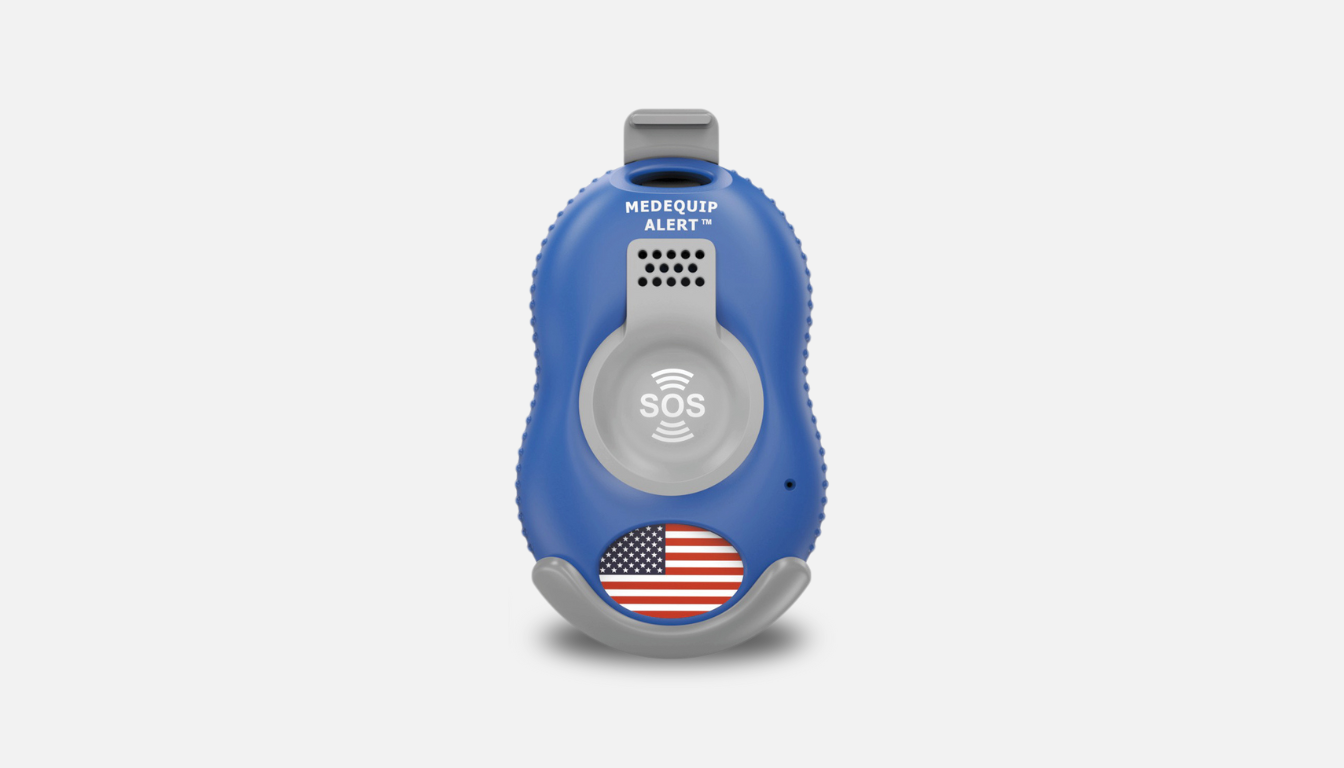
Medical alert devices—often worn as pendants or bracelets—are personal emergency response systems (PERS) that connect users to immediate help in case of a fall, medical emergency, or urgent situation.
Every second of every day, a senior in the U.S. suffers a fall. For many, the difference between life and death comes down to how quickly help arrives.If you or a loved one could benefit from added security and peace of mind, now may be the right time to explore medical alert options.
Medical alert devices provide a direct lifeline to emergency assistance at the push of a button. Whether it’s a sudden fall, a medical emergency, or simply the need for immediate help, these devices bridge the gap between independence and security. Many systems now offer advanced features such as fall detection, GPS tracking, and two-way communication, giving families peace of mind and seniors the confidence to continue living independently.
Beyond emergencies, medical alert devices empower older adults with dignity. Instead of relying solely on family members or caregivers, seniors can maintain a sense of control over their own well-being while knowing help is always within reach. For families, the benefits extend even further this reassurance can ease the worry that often comes with a loved one aging at home.
What Are Medical Alert Devices?
Medical alert devices are personal emergency response systems (PERS) that allow users to quickly and easily call for help in case of a medical emergency, fall, or other urgent situations. Typically worn as a pendant or bracelet, these devices connect to emergency response centers or family members at the push of a button. Some models include automatic fall detection, GPS tracking, two-way communication, and health monitoring features.
Why Are Medical Alert Devices So Important?
1. Rapid Emergency Response
Time is critical in a medical emergency. Whether it’s a fall, heart attack, stroke, or other health issue, getting help quickly can mean the difference between full recovery and long-term complications—or even death. Medical alert systems ensure that seniors can get immediate assistance, even if they can’t reach a phone.
2. Independence and Peace of Mind
Many older adults want to live independently for as long as possible. Medical alert devices provide the confidence to do so safely. Seniors know they can get help if needed, and family members have peace of mind knowing their loved ones aren’t alone in an emergency.
3. Peace of Mind for Families
For family members—especially those living far away—it can be stressful to constantly worry about the safety of elderly loved ones. Medical alert devices ease that worry by ensuring that help is always within reach. With just the push of a button, families can feel reassured that their loved ones are never truly alone in an emergency.
4. Fall Detection and Prevention
Falls are the number one cause of injury among seniors, often leading to serious health complications. Advanced medical alert devices with automatic fall detection can sense when a fall occurs and immediately sends an alert—even if the person is unconscious or unable to press the button. This rapid response is crucial, as seniors who remain on the floor for extended periods face significantly higher risks of long-term injury and hospitalization.
GPS and Mobility Support
Many modern medical alert devices include built-in GPS tracking—an essential feature for seniors with memory challenges or dementia who may wander. With real-time location data, caregivers and emergency responders can quickly find and assist a loved one, providing safety and freedom whether they’re at home or on the go.
Who Should Consider a Medical Alert Device?
Although often linked with older adults, medical alert devices can provide safety and reassurance for many people, including:
- Individuals managing chronic health conditions
- Those recovering from surgery or serious illness
- People of any age who live alone
- Individuals with cognitive impairments such as Alzheimer’s or dementia
Choosing the Right Device
When selecting a medical alert system, it’s important to weigh both practical features and personal comfort. Key factors to consider include:
- Ease of use
- Battery life and reliability
- 24/7 monitoring service availability
- Coverage options (home-based vs. mobile)
- Extra features such as fall detection, GPS, or medication reminders
- Monthly service costs and contract terms
Equally important, involve the senior in the decision-making process. A device that feels comfortable, easy to operate, and tailored to their lifestyle is far more likely to be used with confidence.
It’s essential to involve the senior in the decision-making process to ensure the device is not only user-friendly and reliable but also comfortable and aligned with their individual needs.
Conclusion
Medical alert devices are more than emergency tools—they are lifelines that empower seniors to live independently, confidently, and safely. As our population ages, these systems will remain essential in supporting aging in place, preventing avoidable injuries, and reducing hospitalizations.
Investing in a medical alert device is not merely a precaution—it is a proactive step toward protecting the health, dignity, and peace of mind of our loved ones.
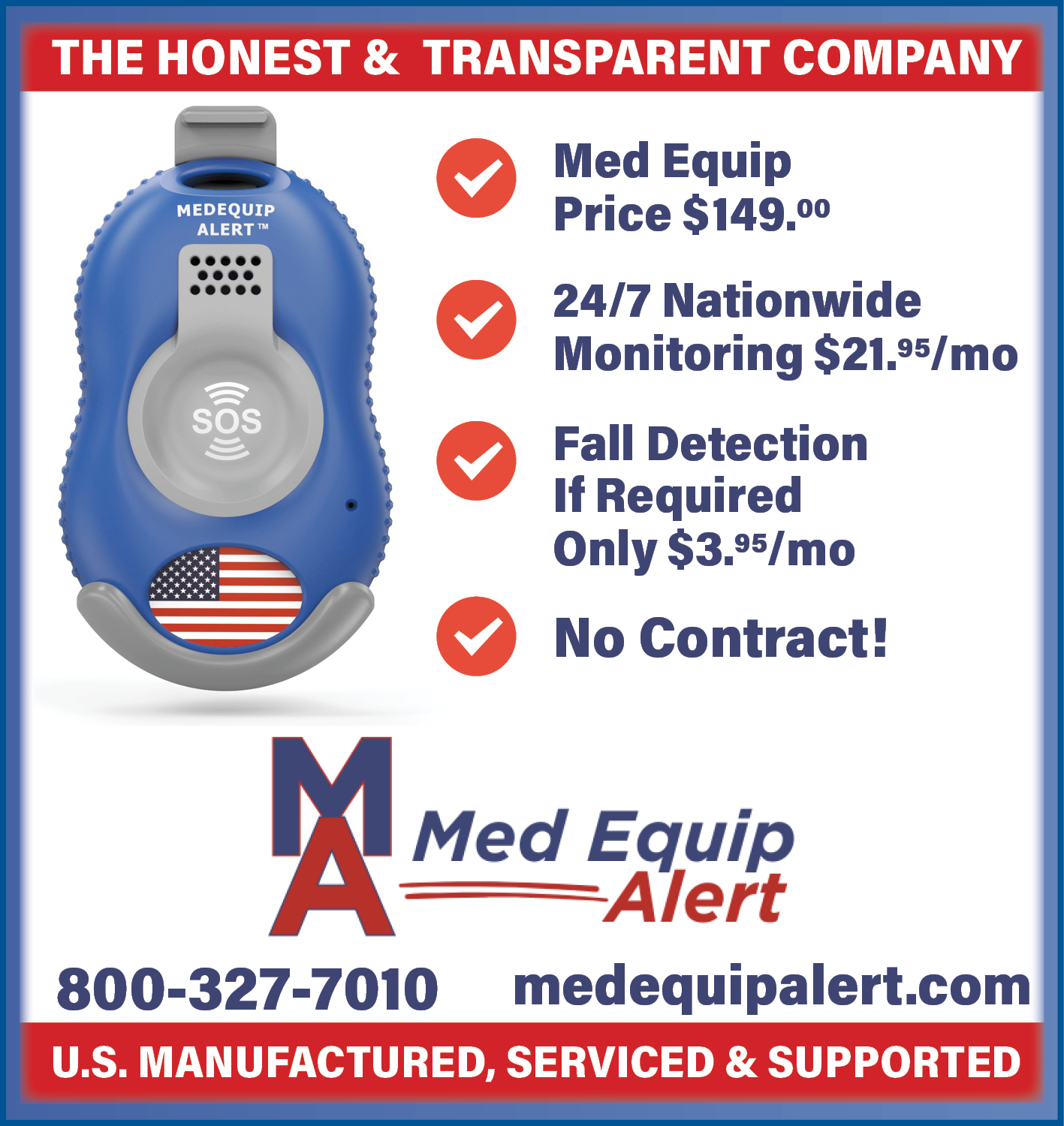
The Honest and Transparent Company:
Med Equip Alert purchase price — $149.00
- Monthly monitoring — $21.95
- Fall detection if necessary — $3.95 additional per month
- No Contract.
- 24/7 — U.S.A based customer service and monitoring • Nationwide service
- Med Equip Alert includes lanyard, belt clip, charger and instruction booklet and can also be charged in your car by USB port.