Tokyo, Unrushed: Parks, Neighborhoods & View Decks Tailored for Relaxed Travel
If you’re planning a trip to Tokyo and want to soak it in at a gentle pace—especially as a senior—there’s a magical side of the city that doesn’t require sprinting between neon lights. Think cherry blossoms under wide skies, centuries-old temples tucked behind quiet lanes, and panoramic views that calm instead of overwhelm. Let me be your friendly guide to hidden gems—parks, neighborhoods, and observation spots—that offer beauty, history, and repose in equal measure.
🌳 Parks That Let Time Slow Down
Shinjuku Gyoen National Garden
Close to Shinjuku Station yet far enough from the city’s roar, Shinjuku Gyoen is like a patchwork quilt of gardens—Japanese, English, French styles all stitched together. It stretches out over gentle hills, Buddhist cherry trees, and graceful ponds. For seniors, it’s forgiving underfoot and peaceful in spirit.
- The paths are mostly wide and well-maintained—easy for slow strolling or pauses on benches. Energy-saving plus.
- Admission is ¥500 for adults, about ¥250 for ages 65 and up—great value. Find more details on smart-tokyo.info.
- It hosts seasonal delights—spring cherry blossoms, late summer rose shows, and autumn maple leaves—to make each visit feel like a special event.
Ueno Park and Museums
Ueno Park is like Tokyo’s cultural heartbeat. Big enough to offer quiet spaces among 8,800 trees, Shinobazu Pond full of lotus, and historic buildings, yet compact enough that you never feel lost. A visit here could easily be a full-day affair without feeling rushed. Learn more about Ueno Park.
Highlights you won’t want to miss:
- Tokyo National Museum—artifacts and crafts that span centuries. A deeply educational stroll. Explore the Tokyo National Museum.
- National Museum of Nature and Science—from dinosaurs to space exploration. And you can take breaks in their cafés. Discover the National Museum of Nature and Science.
- Ueno Zoo—oldest in Japan, with a history going back to 1882. If you like animals, it’ll feel like a gentle safari. Visit the Ueno Zoo.
🏘 Neighborhoods Where Old Tokyo Lingers
Yanesen (Yanaka + Nezu + Sendagi)
This trio of neighborhoods is about centuries of silence surviving earthquakes and wars. Wooden houses, low roofs, tucked-away shrines—it’s where Tokyo seems to sigh and breathe. You’ll wander narrow paths, pause at tea houses, and taste snacks from shops run by folks who’ve been around the block more than once. Explore the traditional side of Tokyo.
Must-sees:
- Yanaka Ginza—a shopping street with just the right mix of food, trinkets, and characters. Stroll with no hurry.
- Yanaka Cemetery—not spooky. Instead, peaceful. Cherry trees arc overhead; gravestones whisper history. Great for a contemplative walk. Discover more on Wikipedia.
- Nezu Shrine—cup-shaped torii gates, tranquil courtyards. Less crowded than some tourist spots, but equally beautiful. Find it on gotokyo.org.
Sugamo: “Harajuku for Seniors”
If shopping streets aren’t your usual interest—but comfort, tradition, and familiarity are—Sugamo will win your heart. Known affectionately as “Granny’s Harajuku,” it features stores that serve the daily lives of older folks: comfy clothings, herbal remedies, and local snacks. But don’t worry—young visitors love it too. Learn more about Sugamo.
In Sugamo you’ll find:
- Jizo Dori Shopping Street—a long street that feels like home, with shops everywhere you look. Red underwear shops, shoe stores, craft makers.
- Koganji Temple—home to the Togenuki Jizo, where people pour water over a statue to pray for healing. A ritual that’s calming. Details can be found on livejapan.com.
Azabu-Jūban
Feeling fancy but not flashy? Azabu-Jūban is a mix of refined cafés, niche shops, shaded side streets. You’ll notice exteriors that respect history—some cobblestones, older buildings quietly preserved. A quieter pace, with elegance. Explore Azabu-Jūban.
Fun facts:
- It’s where Sailor Moon is imagined to live.
- The Azabu-Jūban Matsuri—held in mid-August—is a street festival with food vendors, lanterns, and joy. Plenty of chances to sit and watch, not just shop.
🔭 View Decks That Breathe—No Rush, No Lines (Mostly)
Tokyo Metropolitan Government Building Observation Decks
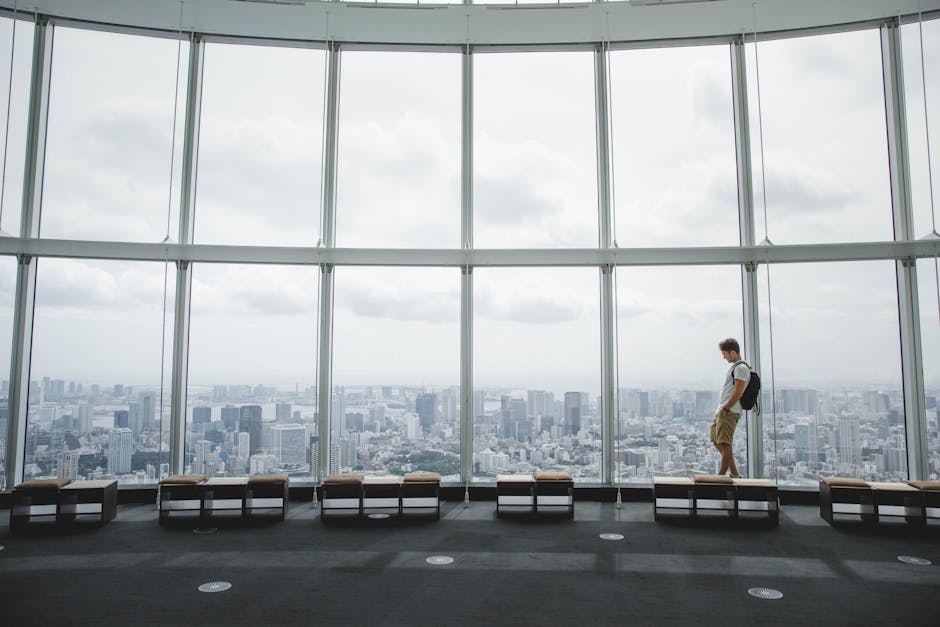
Two towers, both with observation decks on the 45th floor—202 meters up. Free, yes free. Breathtaking, especially during the golden hours. Cafés and souvenir shops make it comfortable. It’s a spot where time slows, where a view becomes an experience. See more at tokyocheapo.com.
- North Deck—open later (until 11:00 pm), excellent for evening lights and cityscape sparkle.
- South Deck—daytime views and a cozy café to rest up. It’s also where the famous “Memory Piano”, designed under artist Yayoi Kusama’s direction, lets you touch creativity yourself.
- Tip: Clear autumn or winter mornings give you Mt. Fuji views if the sky cooperates. Even if it doesn’t, the sweeping steel-and-light panorama is memorable. Find more about the building here.
Bunkyo Civic Center Observation Deck
If you’re exploring the Ueno area (or staying nearby), this deck is a terrific side trip. At just over 100 meters, it’s a more modest height, but that means fewer crowds and more intimate views. A 330-degree panorama—with Tokyo Dome, the Skytree, distant mountains. Inside, there’s a snack lounge. Learn more on Wikipedia.
👣 Tips for a Gentle Tokyo Trip
- Go early: Morning light softens everything. Tickets open at many parks around 9 a.m.—places are quieter and cooler.
- Rest often: Japan has benches, but bring your own tiny cushion if you want to be extra comfy. Tea stops are spiritual.
- Watch weather: Late winter/early spring or autumn offer clear skies for views and crisp air—winter especially for seeing Mt. Fuji.
- Transport tip: A JR pass or limb-friendly subway routes save walking and stairs. Most parks and view decks have accessible paths. Shinjuku Gyoen, for example, has wheelchair ramps and friendly signage, as detailed on the Japan Gardening Association website.
🗺 Putting It Together
Here’s how you might spend a day, paced just right:
- Morning: Begin at Ueno Park—see the museum(s), stroll by the pond, linger at tea houses.
- Midday: Head to Yanesen for lunch. Sweet shop? Matcha? Temple corners.
- Afternoon: Rest in Shinjuku Gyoen gardens. Shade, blossoms, birds.
- Late afternoon into evening: Climb (via elevator!) to the Tokyo Metropolitan Government Building observation deck—capture that sunset and the lit city.
🌿 Final Thoughts
Tokyo isn’t only about fast trains and flashy neon. Off the beaten path, it’s a city that whispers stories—trees that survived war, local streets unchanged for generations, and views that expand the heart, not exhaust it. If you take your time, linger in a garden, sip tea looking out over rooftops, you’ll feel a different Tokyo—one that’s kind to the soul and deeply rich in memory.