Alaska the Easy Way: Cruises, Scenic Trains & Gentle Wildlife Viewing
You know that dream where majestic glaciers calve in slow-motion, whales breach just off the ship, and brown bears meander along salmon-rich rivers—all without having to hike steep trails or haul your gear across rough terrain? That’s Alaska for seniors, served with leisure and elegance. Let’s map out some of the most gentle, awe-inspiring experiences for older travelers who want maximum wonder, minimum strain.
Why Alaska is Ideal for the Well-Seasoned Traveler
Alaska’s geography makes it sneakily accessible: long coastal cruises, smooth train rides, and wildlife sightings from deck chairs or observation platforms. No need for mountain climbing or backpacking. Temperatures in summer hover in the 50s–60s°F in Southeast—the weather is brisk, but manageable. Pack layers and waterproofs—you’ll feel like a king or queen with the right gear.
Comfort Cruise Routes: Where Nature Comes to You
Inside Passage Round-Trip Cruises
Around 7 nights long, these cruises depart from either Seattle or Vancouver (or Alaskan ports like Seward). They all but swallow up the hassle by letting you fly in, cruise, and fly out from the same place. You glide through fjords filled with glaciers, rainforests, and wildlife, without ever stepping foot on rough terrain. It’s perfect if your mobility isn’t what it used to be, or you just want to relax and take in the scenery. Learn more about senior travel to Alaska at Senior Traveling Guide.
Glacier-Focused Cruises: Glacier Bay, Hubbard & Tracy Arm
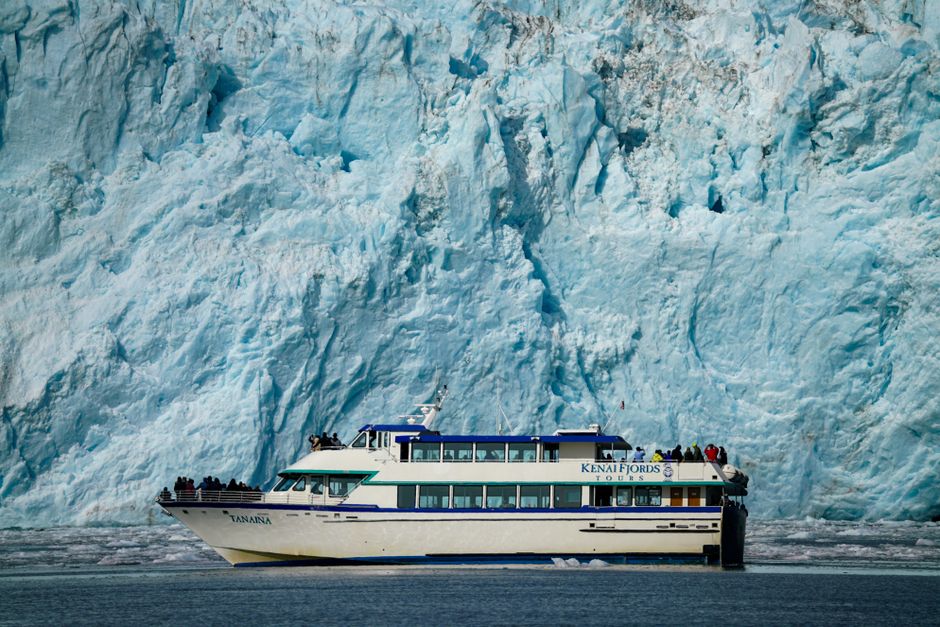
You’ll see massive ice walls and floating icebergs, whales near the shoreline, sea lions on ice floes—all visible right from the ship. Glacier Bay National Park is so remote it’s accessible only by boat; a ranger may board to narrate geology and wildlife along the way. Hubbard Glacier calves almost constantly, creating dramatic roars and sprays. No strenuous walking, just standing on deck wrapped in a cozy sweater, listening to the ice crack.
Scenic Train Rides: All Window, Zero Sweat
White Pass & Yukon Route, Skagway
This is an old gold-rush railway climbing over 3,000 feet in just 20 miles, with picture windows, heating, and comfortable seats. The history alone—the 1898 Klondike trail, creeks, rugged cliffs—feeds the imagination. Many cars have wheelchair access with advance notice. Total win for anyone looking to soak up the wild without exhausting themselves. Explore accessible excursions at Alaska Itinerary.
Alaska Railroad: Anchorage ⇄ Denali or Seward
The Alaska Railroad’s domed and panoramic cars take you past sculpted valleys, rivers, and wildlife habitats. If you add a lodge stay at Denali, you get interior wilderness with guided bus tours where wildlife sightings are possible but never guaranteed—especially in the early morning or late evening when animals are most active. Zero hiking required unless you want to. For wildlife viewing tips in Alaska’s national parks, visit Travel Alaska.
Wildlife Viewing from the Easy Chair
From the Ship’s Deck
From a ship, you may see whales, bald eagles, bears, or other wildlife from a safe distance, but sightings and proximity are never guaranteed. Ship routes through Glacier Bay, Tracy Arm or Hubbard Glacier often deliver these scenes effortlessly. Wear sturdy shoes though—even moderate rocking can unsettle the boots. Get more cruise destination details at Senior Traveling Guide.
Guided Boat Tours: Calm Waters, Close Views
Juneau’s whale-watching boats, or day cruises from Seward into Kenai Fjords, let you sit indoors if you like, peek outside from observation decks, and listen to naturalists explain what you’re seeing. Warm cabins, fewer stairs—ideal when you want views without the cold splash. For more accessible shore excursions, see Alaska Itinerary.
Wildlife Viewing Platforms & Refuges Near Towns
- Potter Marsh & Anchorage Coastal Wildlife Refuge: A raised boardwalk there gives panoramic views and access without steep paths. Beavers, salmon, eagles—the marsh delivers. Discover more about the refuge at Travel Alaska.
- Kincaid Park: Even a drive through the terrain can yield moose, eagles, and bears. Very low physical effort needed. For a guide to Alaska’s best wildlife viewing spots, check out Anchorage.net.
- Pack Creek, Admiralty Island: Viewing bears from well-built platforms, with guides, along protected estuaries. Yellowstone-level drama without the steep climbs. Find out more about bear viewing in Alaska at Travel Alaska.
Top Seasons & Practical Tips
Best months: May through September. June is the peak for wildlife, long days (almost endless daylight up north), and relatively mild weather. May and September bring fewer crowds and better prices—but expect more rain and soggy shoes. Layers are essential: base thermal layer, fleece mid-layer, waterproof outer shell, non-slip shoes. Find more travel tips at Senior Traveling Guide.
If you depend on mobility aids or have limited walking range, check accessibility details. Trains sometimes need advance notice for wheelchair assist. Shore excursions vary—some need walking over gravel or uneven surfaces; always read descriptions carefully. Plan your accessible Alaska adventures with Alaska Itinerary.
Unique Recommendations You Might Not Already Know
Anan Wildlife Observatory (Tongass National Forest)
Anan can offer exceptional bear viewing, but it is not a gentle outing for every traveler. Access depends on a boat landing affected by tides, followed by an approximately half-mile trail each way with bridges, steps, and a steep section where visitors must follow strict bear-safety instructions. Confirm permits, mobility requirements, tide conditions, and assistance with an authorized operator before booking. Review the U.S. Forest Service Anan FAQ.
Hallo Bay, Katmai National Park
Not far from Brooks Falls, Hallo Bay offers a more secluded, gentle bears-and-salmon experience. Strolls (flat) along the bay, staying in wilderness lodges where wildlife appears as though you’ve stepped into a nature documentary. Ocean access too, if you want to watch sea otters without even leaving your porch. July is a common peak viewing period, but sightings are never guaranteed. For more on bear viewing, see Travel Alaska.
Lake Clark National Park & Preserve
Lake Clark is roadless and is reached primarily by small aircraft or air taxi, with schedules affected by weather. Some lodges offer guided boat-based wildlife viewing, but accessibility varies by aircraft, dock, lodge, and activity. Ask operators for exact boarding, walking, and transfer requirements before reserving, allow weather-delay flexibility, and review the National Park Service travel guidance. Wildlife sightings are never guaranteed.
Putting It All Together—Sample Itinerary for Seniors
Here’s how a seven- to ten-day trip could roll:
- Begin in Seattle or Vancouver and board an Inside Passage cruise after confirming cabin and shore-excursion accessibility.
- Use port days for prebooked activities in Ketchikan, Juneau, and Skagway that match your mobility needs.
- Spend a glacier-viewing day aboard the ship; conditions and wildlife sightings vary.
- Disembark in Seward or Whittier and take a prearranged rail or road transfer to Anchorage. Cruise ships do not depart from Anchorage itself.
- Add an Alaska Railroad segment or an accessible guided excursion, leaving buffer time for weather.
- Fly home from Anchorage, or reverse the itinerary for a southbound sailing.
Curious Questions You Might Be Thinking About
How cold is “cool enough to need layers” on glacier days? Think mid-40s–50s°F, often windy and wet. Brrr. Are bear sightings guaranteed? Not quite—but places like Katmai, Hallo Bay, Pack Creek or Glacier Bay during salmon runs make them likely. Do you need to hike? Many cruise, rail, and lodge experiences require little walking, but remote wildlife sites can involve uneven trails, steps, docks, or difficult transfers. Confirm each activity’s requirements before booking.
Summary: Why This Trip Lights Up the Heart
Alaska for older adults means rollicking glaciers seen from cozy decks, grand wildlife appearing like characters in a story, and rich landscapes that feel vast, gentle, and profoundly alive. You don’t need to climb, sweat, or strain. What you will get is time to gaze in silence, memory-making moments—ears full of whalesong, noses crisp with pine and salt. Careful planning—right season, gear, and pace—makes this not just a trip, but an expedition of calm wonder. So when you do go, breathe deep—you’ve earned this view. You’ve earned Alaska the easy way.