Walk into a modern senior center in 2026 and you might see something surprising: a group of older adults competing in pickleball matches, another group preparing for a walking league challenge, and yet another practicing balance drills before heading outdoors for cycling or tennis. Today’s senior activities are no longer limited to quiet pastimes. Instead, they are dynamic, energetic, and designed to keep older adults strong, connected, and engaged.
The evolution of senior sports and physical activities reflects a growing awareness that movement is essential for healthy aging. New activity models focus on accessibility, safety, and enjoyment, allowing seniors of all fitness levels to participate. From low-impact sports to competitive leagues, the goal is simple—help older adults stay active, reduce isolation, and maintain independence. Senior centers are at the heart of this transformation, offering programs that turn everyday exercise into exciting community events.
The Changing Landscape of Senior Sports in 2026
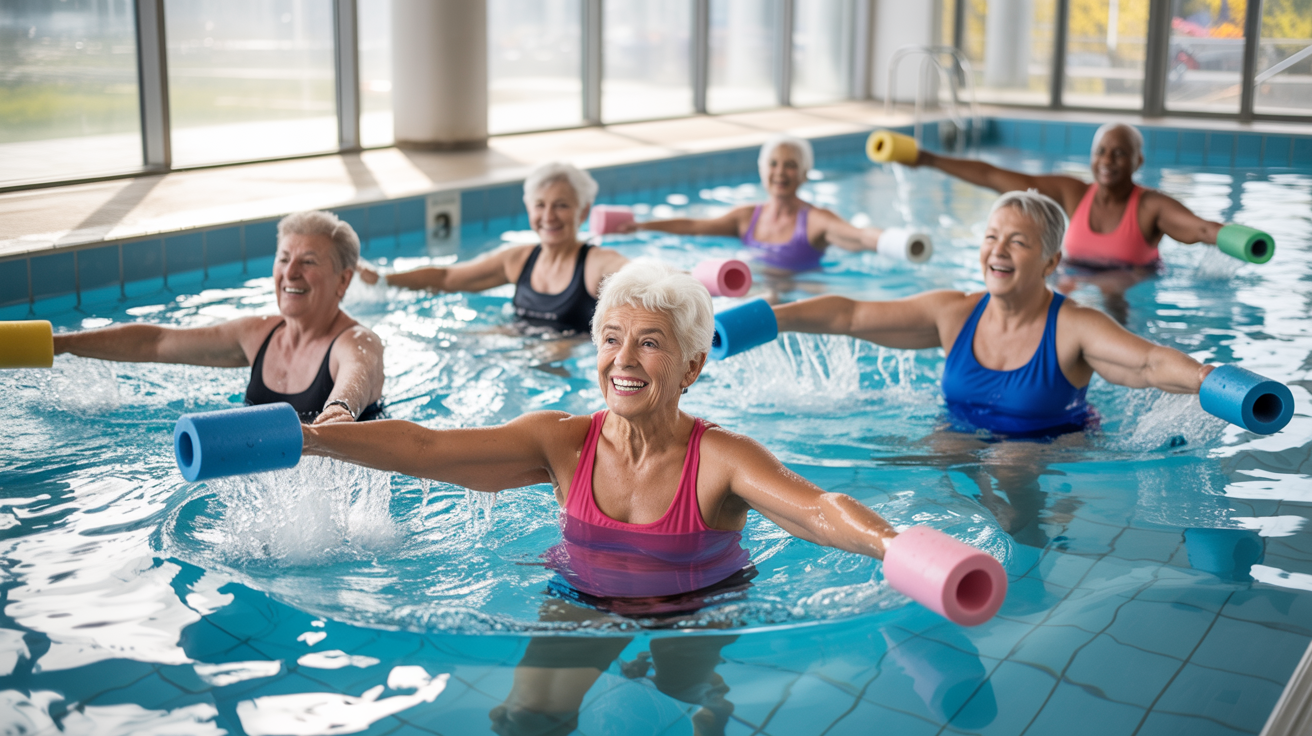
Senior sports programs in 2026 are more diverse than ever before. Activities once considered niche—such as pickleball, tai chi, and water aerobics—have become staples in community centers nationwide. These sports are chosen not only for their entertainment value but also for their ability to improve balance, cardiovascular health, and joint flexibility.
Technology has also influenced how seniors approach fitness. Wearable fitness trackers, smart pedometers, and virtual coaching programs help participants track progress and stay motivated. Many senior sports leagues now use apps to schedule games, track scores, and encourage friendly competition among members. These innovations allow seniors to stay engaged and connected, even outside scheduled activities.
Perhaps most importantly, senior sports are now viewed as social experiences. Rather than exercising alone, participants train and compete together, building friendships along the way. This sense of belonging makes physical activity feel less like a chore and more like an enjoyable part of daily life.
Popular Sports Models for Seniors
The variety of sports available to seniors has expanded significantly. Many programs are designed to accommodate different ability levels, ensuring that everyone—from beginners to experienced athletes—can participate comfortably.
Sport
Primary Benefits
Typical Skill Level
Why It’s Popular in 2026
Pickleball
Improves balance, coordination, and reflexes
Beginner to Intermediate
Easy to learn and highly social
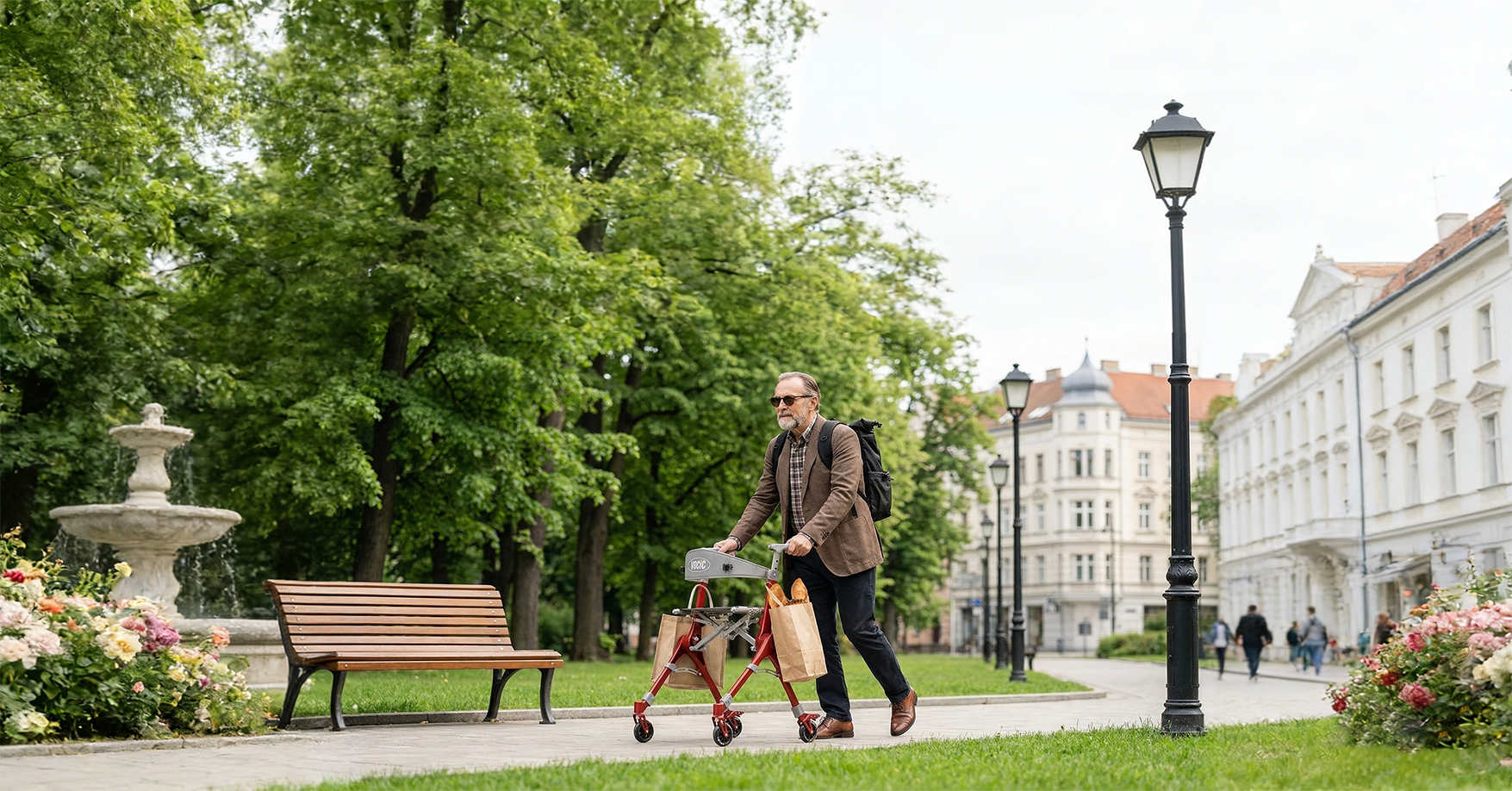
Walking Clubs
Boosts cardiovascular health
All Levels
Accessible and low-impact
Water Aerobics
Reduces joint stress while improving strength
All Levels
Ideal for arthritis-friendly workouts
Tai Chi
Enhances balance and mental focus
Beginner to Advanced
Supports fall prevention programs
Tennis or Table Tennis
Improves agility and hand-eye coordination
Intermediate
Competitive and engaging
Why Sports Participation Matters for Healthy Aging
Physical activity plays a crucial role in maintaining independence as people age. Sports help strengthen muscles, improve flexibility, and support heart health. Just as importantly, they improve mood and reduce stress. Seniors who participate in regular physical activities often report higher energy levels and improved sleep quality.
Sports also reduce the risk of chronic conditions such as heart disease, diabetes, and osteoporosis. Low-impact activities like swimming or tai chi help maintain bone strength without putting unnecessary strain on joints. For many seniors, participating in sports becomes a proactive way to stay healthy rather than simply reacting to health challenges later.
Social interaction is another key benefit. Group sports foster teamwork and camaraderie, helping participants form friendships that extend beyond the playing field. This connection reduces feelings of loneliness and encourages ongoing participation in healthy routines.
How Senior Centers Are Leading the Way
Senior centers have become hubs for modern sports programs. They provide structured environments where seniors can explore new activities safely and comfortably. From fitness classes to organized tournaments, these centers offer opportunities for individuals to discover sports that match their interests and abilities.
Many centers now host themed activity days, seasonal tournaments, and fitness challenges. These events create excitement and encourage participation. Programs highlighted in resources such as the Senior Center Activities section help participants find inspiration and new ideas for staying active within their communities.
Another important feature of senior centers is their focus on inclusivity. Whether someone is recovering from injury or beginning exercise for the first time, programs are designed to adapt to individual needs. Certified instructors and volunteers ensure that participants feel supported and confident during each session.
Emerging Trends in Senior Sports Programs
In 2026, senior sports programs are evolving to include creative formats that keep participants motivated. Hybrid programs—combining indoor and outdoor activities—are becoming increasingly popular. For example, a weekly walking club might include strength training sessions indoors and scenic group walks outdoors.
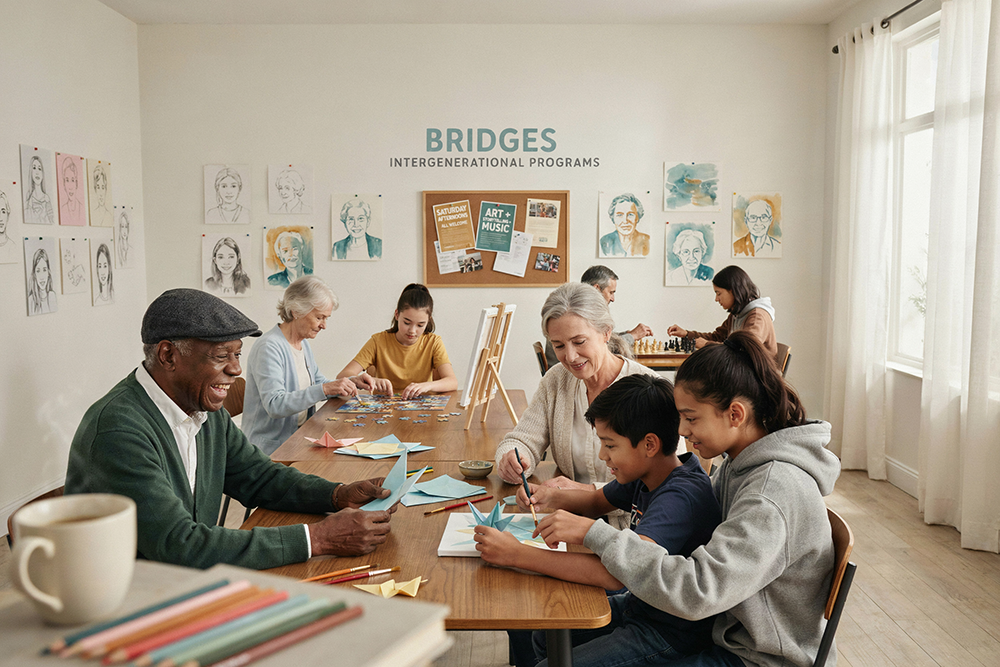
Intergenerational sports are also gaining attention. Grandparents and grandchildren often participate together in friendly competitions or weekend tournaments. These shared experiences strengthen family bonds while promoting healthy habits across generations.
Another growing trend involves personalized fitness planning. Many senior centers offer initial assessments that help participants identify appropriate activities based on fitness levels and medical history. This tailored approach encourages long-term participation and reduces the risk of injury.
Tips for Senior Centers Supporting Sports Programs
Senior centers that want to expand their sports offerings should focus on accessibility and variety. Providing equipment suited for different mobility levels ensures that everyone can participate. Offering beginner-friendly sessions helps newcomers feel welcome and confident.
Encouraging consistent participation is equally important. Scheduled leagues, monthly challenges, and seasonal tournaments keep activities engaging and predictable. Centers can also partner with local fitness professionals to bring specialized instruction into the community.
Learning from existing wellness initiatives, such as those discussed in Health and Wellness resources for seniors, allows centers to refine programs and introduce fresh ideas that keep participants motivated.
Resources for Seniors Interested in Sports
For seniors ready to explore sports activities, local senior centers remain one of the best starting points. They often provide schedules of weekly classes, open gym times, and beginner-friendly lessons. Many centers also offer equipment rentals or shared gear, making participation affordable.
Community recreation departments frequently partner with senior centers to organize outdoor activities such as walking clubs, tennis leagues, and cycling groups. Libraries and community bulletin boards may also list upcoming sports events designed specifically for older adults.
Healthcare providers and physical therapists can be valuable resources as well. They can recommend appropriate exercises and identify activities that support individual health goals. By combining professional guidance with community support, seniors can safely explore new sports and maintain active lifestyles.
The Future of Senior Sports and Activities
The future of senior activities looks bright and energetic. As awareness of the benefits of physical activity continues to grow, sports programs will likely become even more creative and inclusive. Advances in equipment design and safety technology will make participation easier for individuals with varying mobility levels.
More communities are recognizing that active seniors contribute to healthier neighborhoods overall. By investing in sports programs, local organizations create environments that encourage movement, connection, and lifelong learning. Senior centers will continue to play a central role in shaping these opportunities.
Ultimately, sports in 2026 are redefining what aging looks like. Rather than slowing down, seniors are discovering new ways to stay energized, competitive, and connected. With the right programs and supportive environments, staying active becomes not just possible—but enjoyable.
Conclusion: Staying Active Together in 2026
Senior activity models in 2026 reflect a shift toward movement, community, and resilience. Sports provide more than physical benefits—they create meaningful connections and inspire confidence. Whether participating in pickleball tournaments, walking clubs, or tai chi sessions, seniors are proving that staying active is one of the best ways to maintain independence and joy.
With strong support from senior centers, healthcare professionals, and community programs, older adults have more opportunities than ever to explore sports safely and confidently. The path forward is clear: movement is not just exercise—it is a foundation for healthy, connected living.
Browse thousands of Senior Centers from around America. Senior Centers are an integral part of society and are the center of life for many seniors and aging adults.
Find a Senior Center which fits your needs using our search feature and keep up to date on all the latest news.
Advertisers are not endorsed by SeniorCenters.com or any senior center listed. This site is not endorsed by or affiliated with any senior center or organization listed.
To provide the best experiences, we use technologies like cookies to store and/or access device information. Consenting to these technologies will allow us to process data such as browsing behaviour or unique IDs on this site. Not consenting or withdrawing consent, may adversely affect certain features and functions.
Functional
Always active
The technical storage or access is strictly necessary for the legitimate purpose of enabling the use of a specific service explicitly requested by the subscriber or user, or for the sole purpose of carrying out the transmission of a communication over an electronic communications network.
Preferences
The technical storage or access is necessary for the legitimate purpose of storing preferences that are not requested by the subscriber or user.
Statistics
The technical storage or access that is used exclusively for statistical purposes.The technical storage or access that is used exclusively for anonymous statistical purposes. Without a subpoena, voluntary compliance on the part of your Internet Service Provider, or additional records from a third party, information stored or retrieved for this purpose alone cannot usually be used to identify you.
Marketing
The technical storage or access is required to create user profiles to send advertising, or to track the user on a website or across several websites for similar marketing purposes.