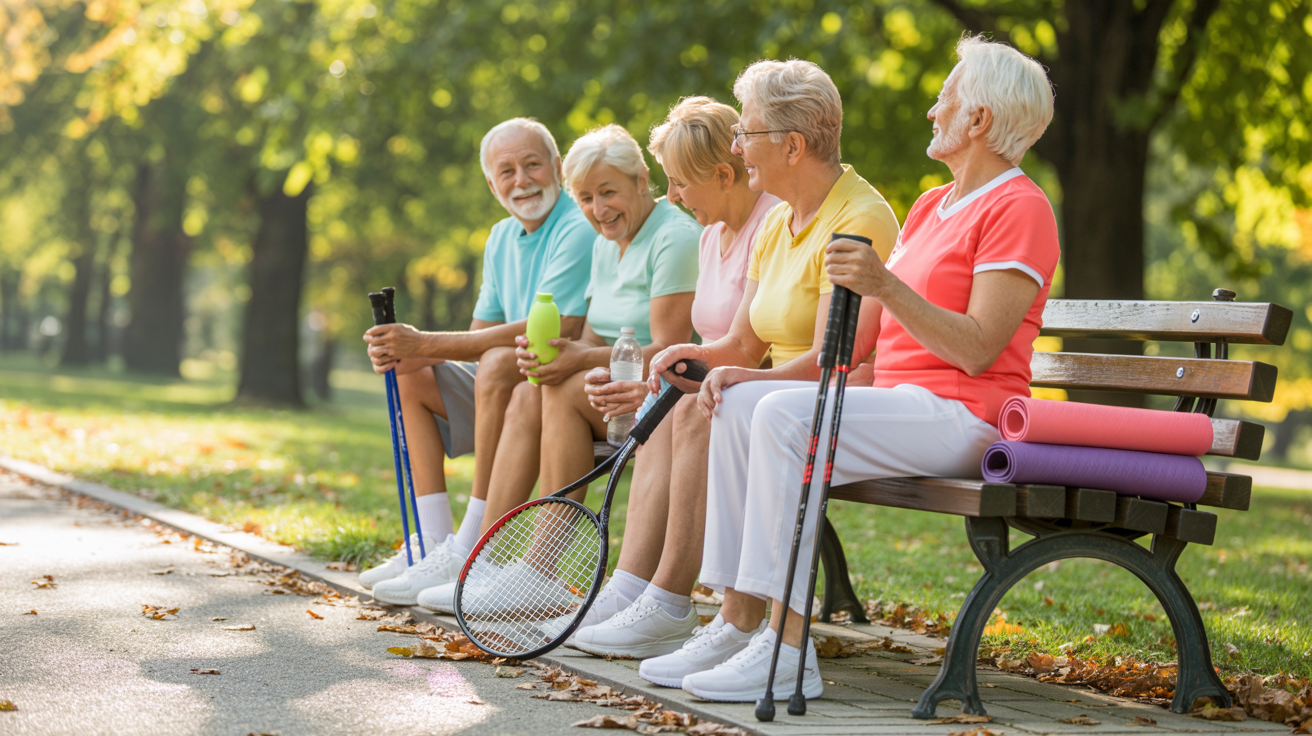
Step into a senior center in 2026 and you may find a lively room filled with gentle stretching, steady walking drills, and friendly encouragement echoing through the space. Basic exercise has evolved far beyond simple routines—it has become a structured, supportive, and social part of everyday life for many older adults. Today’s senior exercise models are designed to build strength, maintain independence, and encourage connection, all while remaining safe and approachable.
In recent years, fitness programs for seniors have shifted toward consistency and accessibility rather than intensity. The emphasis is on movements that support everyday living—standing from a chair, reaching for objects, walking safely, and maintaining balance. These basic exercises are powerful tools for preventing falls, strengthening muscles, and improving confidence. Senior centers remain central to this movement, offering structured environments where exercise becomes a shared experience rather than a solitary task.
The Growing Importance of Basic Exercise in 2026
Basic exercise models for seniors in 2026 reflect a clear understanding: movement is essential at every stage of life. Even small amounts of daily activity can make a meaningful difference in mobility, posture, and endurance. Programs now emphasize functional movement—actions that mirror everyday tasks such as lifting groceries, climbing stairs, or standing up from seated positions.
Healthcare professionals increasingly recommend consistent, moderate activity instead of occasional bursts of exercise. This steady approach allows seniors to build strength gradually without risking injury. Many older adults find that basic exercises provide noticeable improvements in balance, coordination, and flexibility within just a few weeks of consistent participation.
Technology has also supported this shift. Wearable fitness trackers, video-guided exercise sessions, and digital reminders help seniors stay consistent with their routines. These tools encourage participation while offering feedback that helps maintain safe activity levels.
Core Types of Basic Exercises for Seniors
Basic exercise programs typically include a variety of movements designed to support overall physical health. Each category focuses on a different aspect of movement, ensuring a balanced routine that strengthens the entire body.
Exercise Type
Primary Focus
Examples
Key Benefits
Balance Exercises
Stability and coordination
Heel-to-toe walking, single-leg stands
Reduces fall risk
Strength Exercises
Muscle development
Chair squats, light resistance bands
Supports independence
Flexibility Exercises
Joint movement
Gentle stretching routines
Improves mobility
Endurance Exercises
Heart and lung health
Walking, low-impact aerobics
Boosts stamina
Posture Exercises
Alignment and support
Shoulder rolls, seated posture drills
Reduces back strain
Why Basic Exercise Matters More Than Ever
As life expectancy increases, maintaining mobility has become a central goal for many seniors. Basic exercise programs help preserve the ability to perform everyday tasks without assistance. Activities such as climbing stairs, carrying groceries, and standing up from a seated position depend heavily on muscle strength and balance.
Regular movement also supports mental well-being. Exercise encourages the release of endorphins, which improve mood and reduce stress. Many seniors find that participating in group exercise sessions provides motivation and creates opportunities to build friendships.
Additionally, consistent physical activity helps reduce the risk of chronic health conditions. Gentle exercises can support heart health, improve circulation, and maintain joint function. For many seniors, basic exercise becomes an essential part of a long-term wellness strategy.
The Role of Senior Centers in Supporting Exercise Programs
Senior centers play a vital role in making exercise accessible and enjoyable. Many centers offer daily or weekly fitness classes tailored specifically for older adults. These sessions are led by trained instructors who understand how to modify exercises for different mobility levels.
Programs featured in the Health and Wellness section provide helpful examples of how structured exercise can support healthy aging. Senior centers often integrate these routines into broader wellness programs that include nutrition education and lifestyle support.
Beyond scheduled classes, senior centers create environments that encourage movement throughout the day. Walking clubs, stretching breaks, and informal activity groups allow participants to stay active while enjoying social interaction. This supportive atmosphere helps seniors feel comfortable exploring new routines at their own pace.
Emerging Trends in Senior Exercise Models
In 2026, senior exercise programs are evolving to include personalized routines based on individual needs. Fitness assessments conducted at the beginning of a program help determine suitable exercise intensity levels. This personalized approach reduces the likelihood of injury and promotes long-term success.
Another emerging trend is combining physical exercise with cognitive challenges. Activities such as rhythmic stepping, pattern walking, and coordinated arm movements stimulate both body and mind. These exercises improve reaction time and enhance memory, creating a more engaging experience.
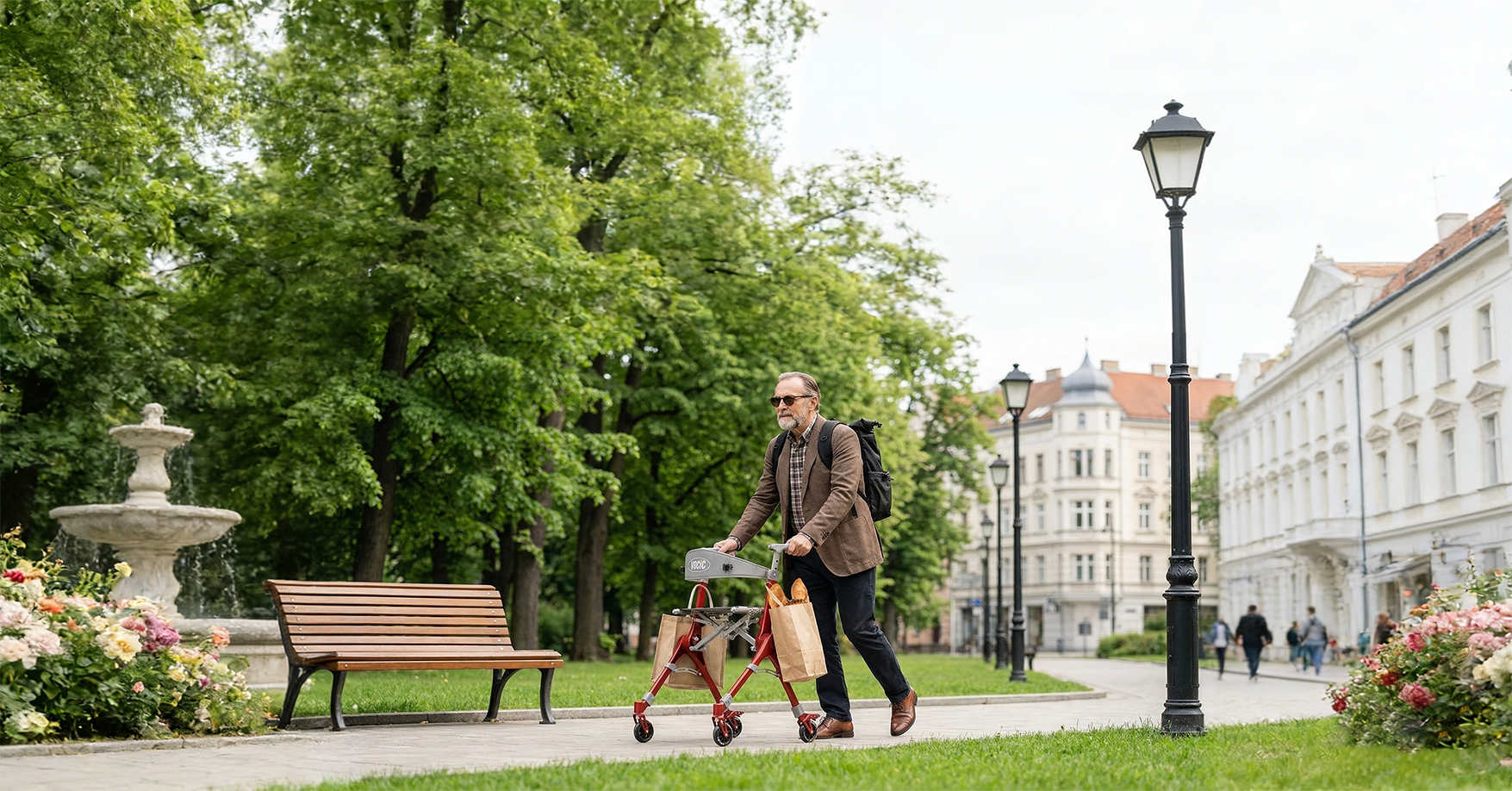
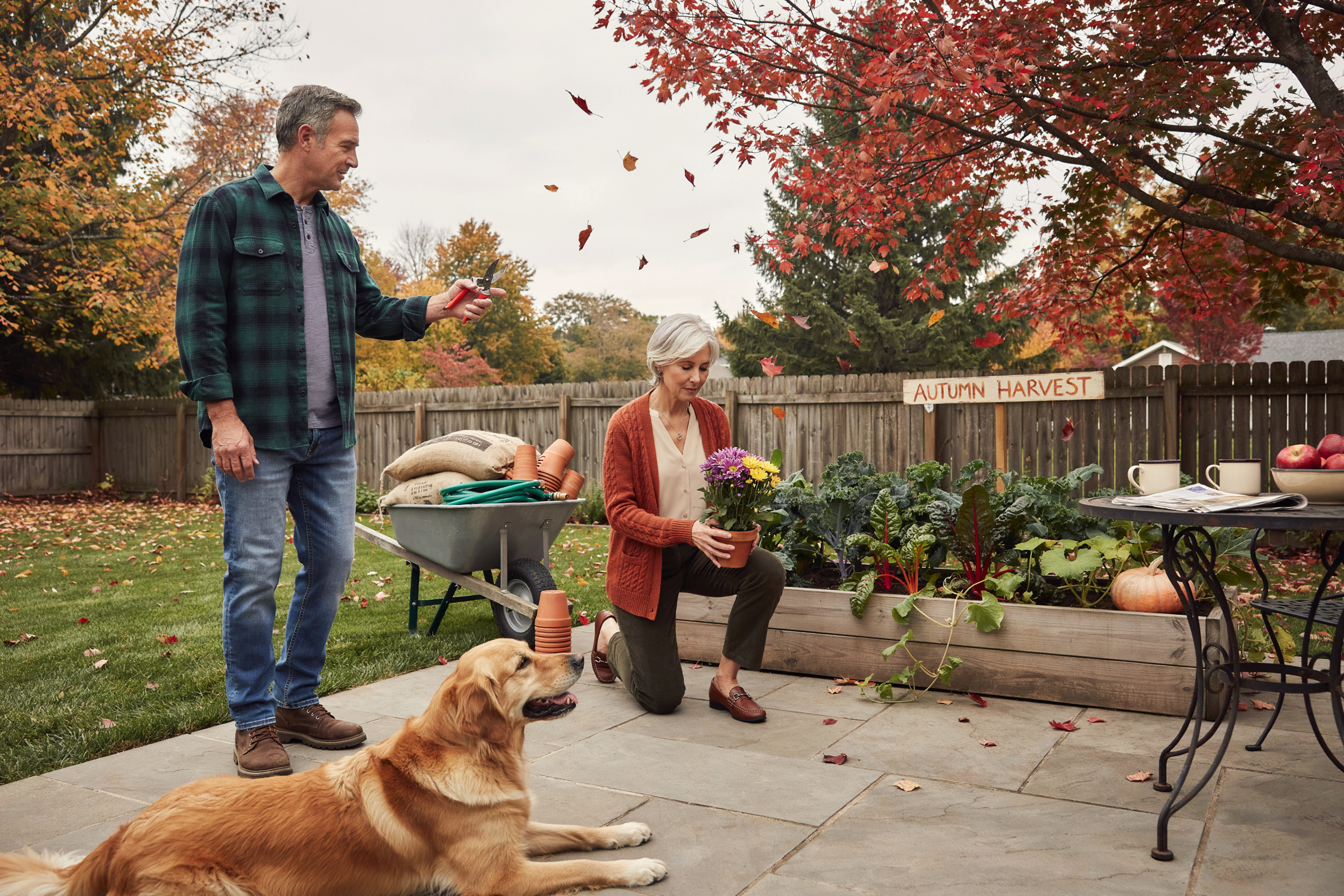
Outdoor exercise is also gaining popularity. Walking paths, community gardens, and open-air fitness areas encourage seniors to enjoy fresh air while remaining active. These environments promote relaxation while supporting consistent movement.
Helpful Tips for Senior Centers Implementing Exercise Models
Senior centers seeking to expand exercise programs should begin with simple, easy-to-follow routines. Clear instructions and visual demonstrations help participants understand each movement. Providing chairs, resistance bands, and supportive flooring ensures that exercises remain safe and accessible.
Consistency is equally important. Scheduling sessions at regular times allows participants to build routines and maintain commitment. Celebrating milestones—such as completing a month of classes—can boost motivation and encourage continued participation.
Centers can also draw inspiration from programs listed in the Senior Center Activities section, where examples of successful group routines provide practical guidance for building engaging fitness programs.
Resources for Seniors Beginning Basic Exercise
Seniors interested in starting an exercise routine often find that local senior centers provide the most accessible entry point. Introductory classes allow participants to explore movements in a supportive environment without pressure. Many centers offer beginner-friendly sessions that emphasize comfort and safety.
Community health organizations and recreation departments frequently collaborate with senior centers to provide additional resources. These partnerships help expand program offerings and introduce specialized instruction such as balance training or low-impact aerobics.
Educational workshops also play an important role. Learning about proper posture, hydration, and warm-up techniques helps participants avoid injury and maintain consistent progress. Access to these resources ensures that exercise remains safe and enjoyable for everyone involved.
The Future of Basic Exercise Models for Seniors
Looking ahead, basic exercise programs are expected to become even more adaptable and personalized. Advances in wearable technology will allow seniors to monitor progress and adjust routines in real time. These tools will provide valuable insights into heart rate, movement patterns, and overall activity levels.
Community partnerships will also continue to grow. Healthcare providers, fitness instructors, and senior centers will work together to create programs that address both physical and emotional well-being. These collaborations strengthen support networks and expand access to quality exercise opportunities.
As awareness of the benefits of movement continues to spread, exercise will remain a cornerstone of healthy aging. Seniors who engage in regular activity often report improved confidence, stronger mobility, and greater independence.
Conclusion: Building Strength Through Simple Movement
Senior basic exercise models for 2026 highlight the power of consistent, manageable activity. By focusing on balance, strength, flexibility, and endurance, these programs help older adults maintain independence and enjoy daily life with greater confidence.
With support from senior centers and community programs, exercise becomes more than a routine—it becomes a shared experience that strengthens both body and community. As these models continue to evolve, seniors will have even more opportunities to stay active, connected, and resilient throughout the years ahead.
Browse thousands of Senior Centers from around America. Senior Centers are an integral part of society and are the center of life for many seniors and aging adults.
Find a Senior Center which fits your needs using our search feature and keep up to date on all the latest news.
Advertisers are not endorsed by SeniorCenters.com or any senior center listed. This site is not endorsed by or affiliated with any senior center or organization listed.
To provide the best experiences, we use technologies like cookies to store and/or access device information. Consenting to these technologies will allow us to process data such as browsing behaviour or unique IDs on this site. Not consenting or withdrawing consent, may adversely affect certain features and functions.
Functional
Always active
The technical storage or access is strictly necessary for the legitimate purpose of enabling the use of a specific service explicitly requested by the subscriber or user, or for the sole purpose of carrying out the transmission of a communication over an electronic communications network.
Preferences
The technical storage or access is necessary for the legitimate purpose of storing preferences that are not requested by the subscriber or user.
Statistics
The technical storage or access that is used exclusively for statistical purposes.The technical storage or access that is used exclusively for anonymous statistical purposes. Without a subpoena, voluntary compliance on the part of your Internet Service Provider, or additional records from a third party, information stored or retrieved for this purpose alone cannot usually be used to identify you.
Marketing
The technical storage or access is required to create user profiles to send advertising, or to track the user on a website or across several websites for similar marketing purposes.