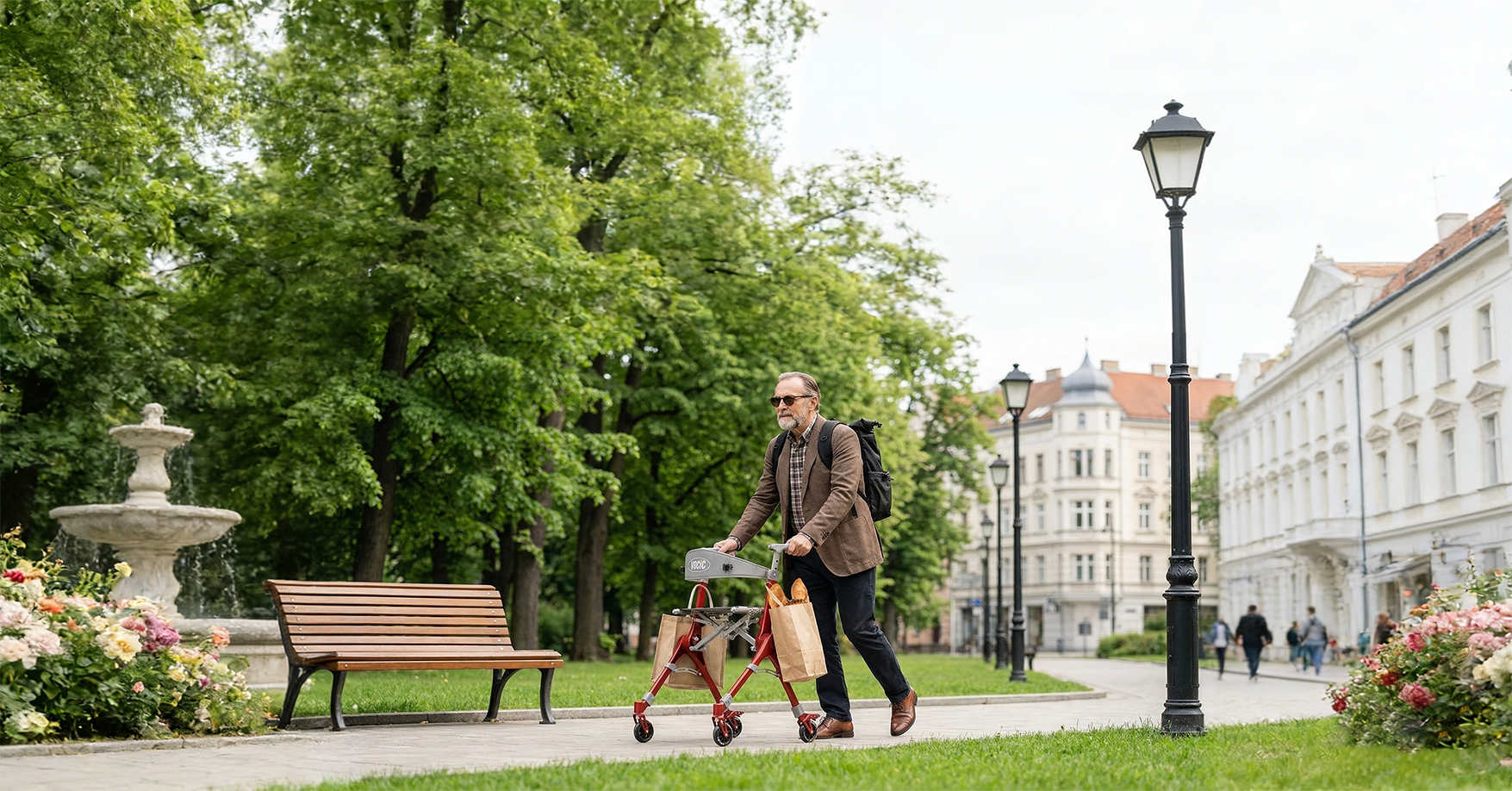
Making a new friend can begin with something simple: sitting at the same lunch table, joining a walking group, asking someone about a book they are reading, or saying hello before a class starts. For seniors, new friendships can bring fresh energy, laughter, support, and a renewed sense of belonging. In 2026, meeting new people is not just a social extra—it is an important part of healthy aging and staying connected to the community.
Many older adults experience changes that affect their social circles. Retirement, moving, health changes, the loss of a spouse, or friends relocating can make daily life feel quieter than it once did. The good news is that friendships can grow at any age. Senior centers, community groups, classes, volunteer programs, and shared activities all create natural opportunities for seniors to meet people in comfortable, low-pressure settings.
Why Making New Friends Matters
Friendship gives life rhythm and warmth. A friendly conversation can brighten an ordinary day, while a regular group activity can give seniors something meaningful to look forward to. New friendships can help reduce loneliness, encourage participation, and create a stronger sense of community.
Meeting new people also supports confidence. Walking into a new place alone can feel intimidating, but returning and seeing familiar faces makes each visit easier. Over time, small greetings can become conversations, and conversations can become friendships.
Social connections can also encourage healthier routines. Seniors are often more likely to attend exercise classes, meals, games, workshops, and outings when they know someone will be there. A friend can turn an activity from “something to do” into “something to enjoy together.”
Activities That Help Seniors Meet New People
The best friendship-building activities are the ones that naturally encourage conversation. Seniors do not always need formal introductions or structured social events. Sometimes, simply doing the same activity with the same group of people each week is enough to create connection.
Activity
Why It Helps Build Friendships
Best For
Simple First Step
Walking Groups
Conversation happens naturally while moving at a relaxed pace
Seniors who enjoy light exercise and fresh air
Join one short walk and introduce yourself to one person
Card and Game Groups
Games create laughter, teamwork, and friendly competition
Seniors who like casual social time
Ask if beginners are welcome and sit at a mixed table
Art or Craft Classes
Shared projects give people something easy to talk about
Seniors who enjoy creative hobbies
Compliment someone’s project or ask how they made it
Volunteer Programs
Working together for a good cause builds purpose and trust
Seniors who want meaningful involvement
Choose a small, recurring volunteer role
Lunch Programs
Meals provide relaxed conversation and repeated contact
Seniors who want low-pressure social time
Sit at a community table instead of eating alone
Technology Workshops
Learning together encourages questions and shared progress
Seniors who want practical skills and conversation
Ask a classmate what they are hoping to learn
Senior Centers as Friendship Hubs
Senior centers are one of the best places for older adults to meet new people because they are designed around community. They offer recurring programs, familiar spaces, and activities that make conversation easier. Seniors looking for social opportunities can find helpful ideas in Best Places for Seniors to Meet Seniors, which explores community centers, clubs, volunteering, fitness classes, travel groups, and other ways to build connections.
One reason senior centers work so well is consistency. Seeing the same people each week helps friendships grow gradually. A person may first be “the woman from bingo” or “the man from chair exercise,” but after a few conversations, that familiar face can become a friend.
Senior centers also reduce the awkwardness of starting from scratch. Activities give people a shared reason to gather. Instead of forcing conversation, members can talk about the class, the game, the meal, the speaker, or the upcoming trip. Friendship often grows from these small, natural exchanges.
How to Start a Conversation
Starting a conversation does not need to be complicated. A simple greeting is often enough. Saying “Is this seat taken?” or “Have you been to this class before?” can open the door to a friendly exchange.
It helps to ask easy questions. People often enjoy talking about hobbies, hometowns, grandchildren, pets, favorite activities, or local events. The goal is not to impress anyone. The goal is to show interest and create a comfortable moment.
Listening is just as important as talking. A good friendship often begins when someone feels heard. Remembering a name, asking a follow-up question, or greeting someone again the next time can make a strong impression.
Group Activities Make Meeting People Easier
Group activities are especially helpful because they remove pressure. In a class, game, or club, conversation can happen naturally around the activity itself. No one has to carry the entire discussion alone.
Activities listed in the Activities section can give seniors and senior centers ideas for programs that bring people together. Exercise groups, social events, educational workshops, games, outings, and creative classes can all become friendship-building opportunities.
For seniors who feel nervous, attending the same activity several times can help. The first visit may feel unfamiliar, but the second and third visits often feel easier. Familiarity is one of the strongest foundations for friendship.
Tips for Seniors Who Feel Shy or Out of Practice
Many seniors feel unsure about making new friends, especially after years of relying on established social circles. Feeling shy does not mean friendship is out of reach. It simply means starting small may be the best approach.
A good first goal is not to make a best friend immediately. A better goal might be to learn one person’s name, attend one activity, or have one short conversation. Small steps build confidence.
It can also help to arrive a little early. Walking into a crowded room after everyone is seated may feel overwhelming. Arriving early gives time to settle in, greet staff, and meet others as they enter.
Tips for Senior Centers Helping Members Connect
Senior centers can support new friendships by creating welcoming routines. Staff and volunteers can greet people by name, introduce new members to regular participants, and encourage mixed seating during meals and games.
Buddy systems can also help. Pairing a new member with a friendly regular participant gives the newcomer someone to sit with, ask questions, and recognize at future events. This small step can make a center feel less intimidating.
Centers can also offer “new member socials,” coffee hours, conversation tables, and small-group activities. These programs are simple but powerful because they make meeting people feel intentional and comfortable.
Resources for Meeting New People
Local senior centers are often the first and best resource for seniors who want to make new friends. Activity calendars, newsletters, lunch programs, volunteer boards, and group outings all provide opportunities to meet others.
Libraries, recreation departments, faith communities, hobby clubs, walking groups, and local colleges may also offer social programs for older adults. These settings can be especially helpful for seniors who want to meet people with shared interests.
Family members and caregivers can help by providing transportation, looking up local programs, or encouraging a loved one to try one new activity. Sometimes the hardest part is the first visit, and a little support can make that step easier.
Turning Acquaintances Into Friends
Meeting someone once is only the beginning. Friendships grow through repeated contact. Saying hello the next time, sitting together again, or asking someone if they plan to attend next week can help the connection continue.
Shared routines are powerful. A weekly card game, monthly lunch, regular walking group, or ongoing class gives people repeated chances to build trust. Over time, these routines become part of a person’s social life.
It is also helpful to extend invitations gently. Asking, “Would you like to sit together next time?” or “Do you want to join us for coffee after class?” can move a connection from casual to friendly without pressure.
Conclusion: Friendship Can Begin at Any Age
Making new friends as a senior may feel unfamiliar at first, but it is absolutely possible. Friendships often begin with small moments: a greeting, a shared table, a class, a walk, or a simple question. With time and consistency, those small moments can grow into meaningful relationships.
Senior centers play an important role by creating spaces where seniors can gather, participate, and feel welcome. Whether through games, meals, classes, volunteer opportunities, or group outings, every activity is also a chance to meet someone new. Friendship does not have an age limit, and sometimes the next good friend is sitting just one chair away.
Browse thousands of Senior Centers from around America. Senior Centers are an integral part of society and are the center of life for many seniors and aging adults.
Find a Senior Center which fits your needs using our search feature and keep up to date on all the latest news.
Advertisers are not endorsed by SeniorCenters.com or any senior center listed. This site is not endorsed by or affiliated with any senior center or organization listed.
To provide the best experiences, we use technologies like cookies to store and/or access device information. Consenting to these technologies will allow us to process data such as browsing behaviour or unique IDs on this site. Not consenting or withdrawing consent, may adversely affect certain features and functions.
Functional
Always active
The technical storage or access is strictly necessary for the legitimate purpose of enabling the use of a specific service explicitly requested by the subscriber or user, or for the sole purpose of carrying out the transmission of a communication over an electronic communications network.
Preferences
The technical storage or access is necessary for the legitimate purpose of storing preferences that are not requested by the subscriber or user.
Statistics
The technical storage or access that is used exclusively for statistical purposes.The technical storage or access that is used exclusively for anonymous statistical purposes. Without a subpoena, voluntary compliance on the part of your Internet Service Provider, or additional records from a third party, information stored or retrieved for this purpose alone cannot usually be used to identify you.
Marketing
The technical storage or access is required to create user profiles to send advertising, or to track the user on a website or across several websites for similar marketing purposes.