Seoul for Seniors: Palaces, Markets & Riverside Paths
If you’re planning a trip to Seoul and want a travel experience that’s rich with history, vibrant culture, and peaceful moments by the river—without rushing or stressing—this guide is for you. I’m stepping into the tour guide role here, so let me take you on a thoughtful path through some of Seoul’s most beautiful palaces, lively markets, and soothing riverside walks. You’ll see, smell, taste, and feel the city in ways that stay with you long after you leave.
—
Seoul’s Majestic Palaces — Where Royal Life Comes Alive
Gyeongbokgung Palace (경복궁) — The Grand Theater of Joseon
Dated back to 1395, Gyeongbokgung Palace is Seoul’s most iconic royal palace and arguably its most dramatic. As you stroll through its wide courtyards, you’ll be stepping on stones where royal processions once marched, and in halls where ancient ceremonies shaped the nation’s future. Make sure you don’t miss the huge throne hall, Geunjeongjeon, with its ornate roof tiles and imposing columns—built to impress and still doing so.
One of the best times to visit is 10 a.m. or 2 p.m., when you can catch the Changing of the Royal Guard Ceremony—costumes, drums, ritual, and music. Arrive early so you can get good viewing spots without being in the crowd’s jostle. For seniors, many paths are well-maintained; shaded rest spots are sprinkled throughout. Wear comfy shoes—some bridges or gates may have uneven stone surfaces. Also, if you’re 65 or older, you can visit free of charge. Like visiting an old friend, but one dressed in robes and gold.
Changdeokgung Palace & Secret Garden (창덕궁 후원) — A Royal Garden’s Whisper
Built in 1405, Changdeokgung is less about grand spectacle and more about graceful harmony between architecture and nature. Its Secret Garden, or Huwon, was once off-limits to your average person—it was a royal retreat for meditation, scholarly reflection, and relaxation. Even today, that sense of tranquility is preserved. You’ll wander through forested trails, ponds surrounded by centuries-old trees, and pavilions that feel like quiet confidants whispering tales of the past. You can find more information and plan your visit on the official Seoul tourism website.
Here are some tips to make your experience even better:
- Book the guided Secret Garden tour ahead of time, as entrances are limited. The site opens for bookings about six days before your visit. More details can be found on the Changdeokgung Palace Secret Garden page.
- The best times to experience the garden’s tranquil atmosphere are early morning or late afternoon, especially in spring (for cherry blossoms) or autumn (for maple foliage). Midday can be crowded and bright. Consider tips from Know About Korea for timing your visit.
- Don’t speed through—take 2–3 hours to enjoy both palace grounds and garden. Step off the grand paths to notice the tiny moss-covered stones, the patterns of roof tiles, the gentle water features. These are what seal the memory. Discover more insights at Seoul Korea Asia.
Deoksugung Palace — East Meets West in Quiet Splendor
If Changdeokgung feels slightly grand and nature-bound, Deoksugung adds an unexpected twist: Western-style architecture rubbing shoulders with Korean traditional halls. Once the royal residence during Korea’s transition into empire at the dawn of the 20th century, it bears architectural surprises—think stone walls, neoclassical Western buildings, mixed in with graceful Korean eaves. Learn more about its unique history on Wikipedia.
Highlights here include Junghwajeon (the main throne hall), the elegant Seokjojeon (built in western style), and the serene gardens full of peonies and pine. Also convenient: located right near downtown. So you can paddle in art, history, or a cup of tea without heading out to the city limits. It’s perfect for slowing down. Further details about Deoksugung can be found on Wikipedia.
—
The Markets — Tasting Seoul One Bite at a Time
Seoul’s traditional markets are not just places to buy stuff—they’re the city’s soul in motion. The flavors, the smells, the chatter, and friendly bargaining—it’s like being invited into everyday life. Here are digs that suit both your appetite and your pace.
Gwangjang Market — The Food Parade
Opened in 1905, this market began as a textiles and fabric stall area. But the show today is downstairs—food, food, glorious food. Bindaetteok (mung bean pancakes) sizzle, mayak gimbap (tiny seaweed-and-rice rolls) tempt, and fresh yukhoe (Korean steak tartare) melts. Watching the skilled ajummas flip pancakes on huge iron griddles is half performance, half dinner. Get a taste of what to expect with guides like K-Trip Guide.
You’ll want at least an hour here—more if you linger. Browse slowly, take snack breaks, rest on benches, taste little bits. And cash helps—even though some stalls accept cards, many street-food spots will prefer bills. For more tips on navigating Seoul’s markets, check out Real Korea Guide.
Tongin Market — Make Your Own Lunchbox
Tongin has a playful twist: the yeopjeon lunchbox experience. You get coins, pick small side-dishes from vendors, create your own meal. Every bite tells a story of local flavors. Add to that adorable hanok-style cafes and quiet alleys, and you’ve got a market where you can chew, sip tea, and people-watch at ease. Learn more about this unique market on iVisit Korea.
Other Local Favorites
- Namdaemun Market – full of traditional crafts, early-morning bustle, and the possibility of finding something unexpected (a handmade teapot? vintage camera?) amid old wooden shops. Discover more about Namdaemun Market on iVisit Korea.
- Gyeongdong Market – for herbalists, wellness lovers, or those enchanted by dried roots, teas, and the earthy smells of traditional medicine. A sensory treat. Find out more on iVisit Korea.
- Mangwon Market – quieter, local, less touristy. Wide aisles and fewer crowds make it a better fit when your feet are tired, but your curiosity is high. See recommendations from Real Korea Guide.
—
Riverside Paths & Green Escapes — Because Walking Feels Better with Views
Hangang (Han River) Parks — The River’s Calm Embrace
Seoul has more than 100 km of flat, paved trails along both sides of the Han River, stretching under bridges and across peaceful parks. These are perfect for slow strolls, watching boats drift, or even just sitting and letting the city slow down around you. Explore the routes on Great Runs.
Yeouido Saetgang Ecological Park — Nature in the City’s Heart
Nestled near Yeouido Island, this ecological park offers 7.4 km of walking trails and almost 5 km of bike-friendly paths. Willows, reeds, seasonal flowers—the kind of landscapes that make you want to pause, close your eyes, and take a slow deep breath. It’s especially memorable during cherry blossom season, when petals drift over paths like confetti from the sky. Find out more from the Seoul Metropolitan Government.
Yeouido Hangang Park — Ease, Space & Cityscape Views
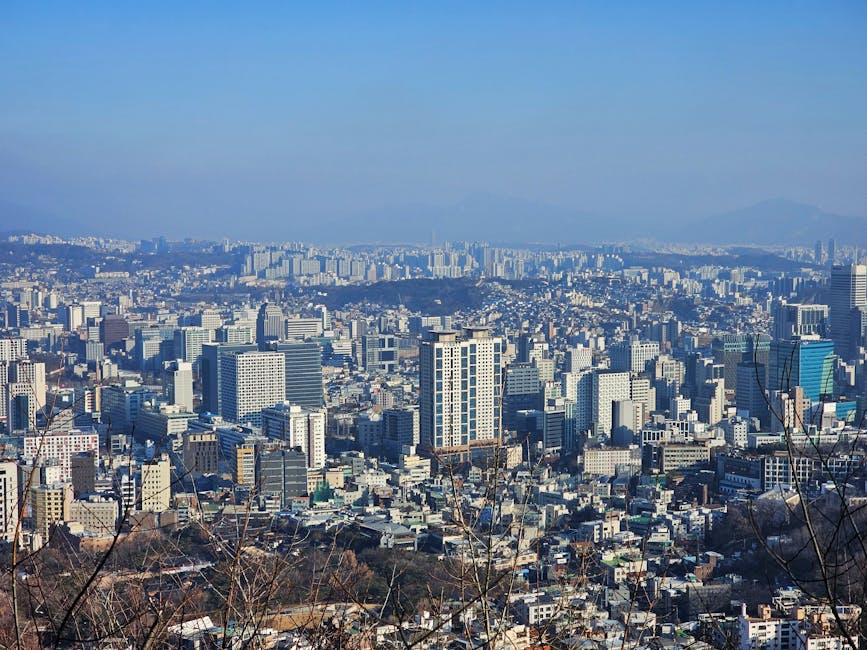
You’ll likely spend a morning or an afternoon here. Yeouido Park is accessible via Yeouinaru Station (Line 5), which means getting there is easy even after some long palace walking. Open lawns, benches, shallow water features (for cooling off on a hot day), and views that stretch across the river to city skylines. If you like, take a boat cruise for a gentler view of Seoul from the Han River. All this without giving up your comfort. Learn more about Yeouido Hangang Park from The Seoul Guide.
—
Putting It All Together — What a Day Might Look Like
Here’s how you might stitch this all into a single day that balances excitement with ease:
- Start early at Changdeokgung Palace—get in the Secret Garden tour when it’s quiet. Savor the green, the stone, the softly running water. Rest in one pavilion as long as you like.
- Walk to Tongin Market for lunch—create your own box, sip tea, maybe duck into a hanok cafe and rest your feet.
- In the afternoon, head to one of the Han River parks—Yeouido or Saetgang—to relax. Maybe even rent a bike if that feels good. Watch the light shift on the water.
- Finish with dinner near the river. Let the day close gently: reflections on the bridges, soft city evening lights, your heart full.
—
Tips for Senior-Friendly Travel in Seoul
- Wear good walking shoes with supportive soles.
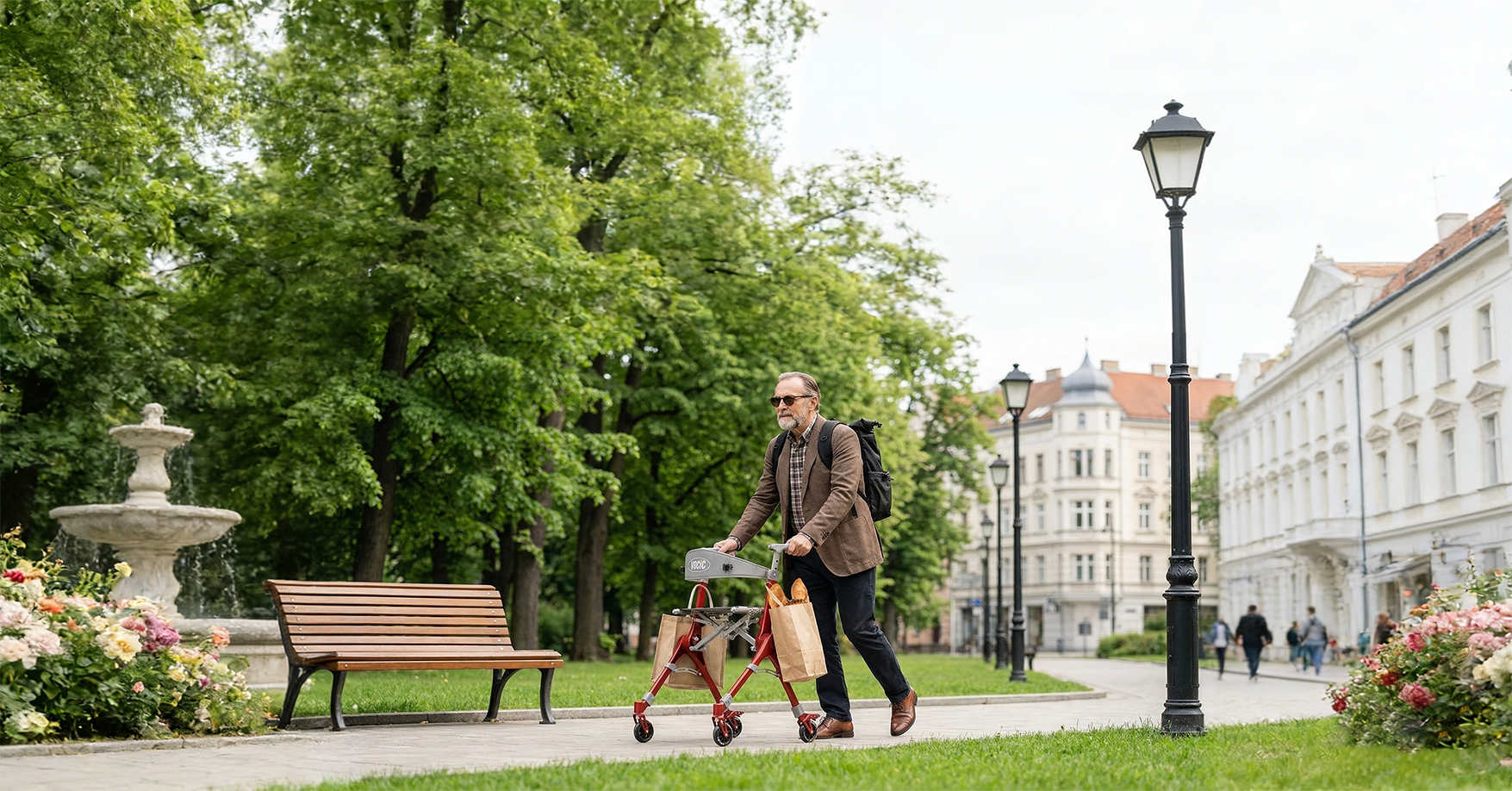
- Bring a folding walking stick or cane, even if you don’t usually use one—stone paths and gates can surprise you.
- Plan rest stops: cafes inside palace sites, benches in parks, shaded winding trails in the garden.
- Monitor the weather. Seoul summers get hot and humid. Spring and fall are ideal.
- Check opening days: many palaces (including Changdeokgung) are closed on Mondays. More information about palace hours can be found on resources like Seoul Korea Asia.
—
Why These Moments Stay With You
Over dinner or in flashbacks later, these scenes will surface in your mind:
- The hush inside the Secret Garden: birds, pond reflections, ancient trees whispering secrets.
- The clang of iron griddles in a marketplace, voices blending with laughter, steam rising from hot tteokbokki.
- The Han River at sunset: water that reroutes your rhythm, the bridge lights flickering on, breeze cooling sun-warmed skin.
These aren’t just places—it’s about how Seoul can offer you its depth without the rush. Built-in rest, gentle layers of history, food that’s alive, nature that soothes. You won’t come here just to see: you’ll come to feel.
—
Summary
Seoul for seniors isn’t about keeping up—it’s about absorbing, savoring, and letting this city whisper its stories. Start with Gyeongbokgung’s grandeur, feel the soft rhythm of Changdeokgung’s Secret Garden, drink in the unexpected elegance of Deoksugung. Then let your senses take over: a bite of bindaetteok, a negotiation over herbs in Gyeongdong, the playful lunchbox craft at Tongin. End the day by the Han River, calm reflecting water, soft light, enough space to breathe.
In these palaces, markets, and riverside paths, Seoul gives you time. Time to look, listen, rest, and remember. Honestly, that’s what makes travel feel like something more than just checking off places—it makes it part of you.