At a Glance
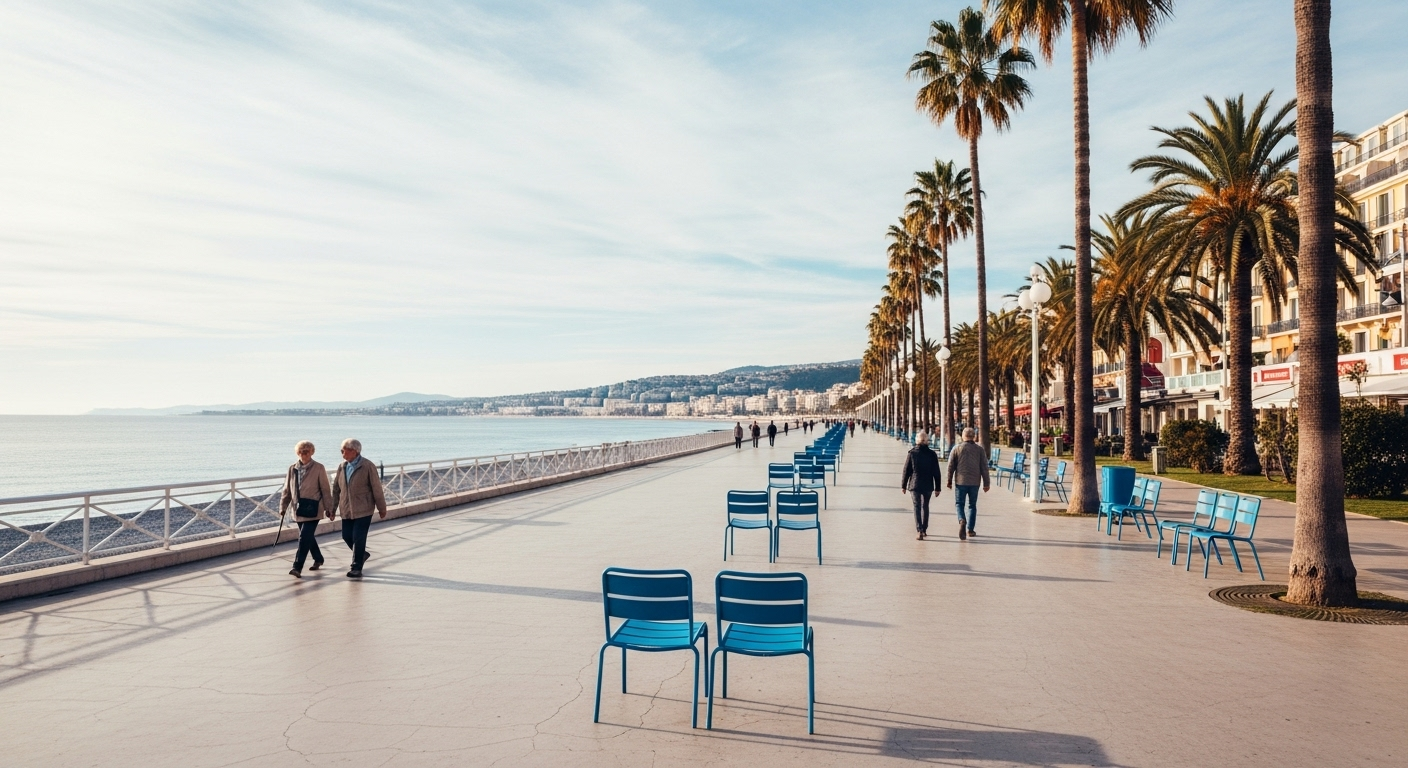
Nice, France at a gentle pace. This Senior Guide to Nice is written for older travelers who prefer flat seaside promenades, short transfers, and plenty of places to sit and rest.
| Best time to visit |
Ideal trip length |
Typical daily steps |
Terrain & mobility notes |
Rest stop density |
Senior-friendly rating |
| Spring & fall (April–June, Sept–Oct) for mild weather and fewer crowds |
3–5 days |
4,000–7,000 steps/day (2–3.5 mi / 3–5.5 km) |
Mostly flat along the Promenade; Old Town has cobbles and short staircases; some viewpoints accessible by elevators or short funiculars |
Benches and cafés every 10–15 minutes along core promenades |
4.5/5 |
Why Go to Nice at a Gentle Pace
Nice blends easy seaside walking with classic Riviera style: broad promenades, sheltered cafés, mellow markets, and compact historic streets that reward slow exploration. You can see the highlights without steep hikes and choose viewpoints served by elevators or short transfers.
The city pairs well with short, low-effort day trips to Antibes, Villefranche, or even Monaco, so you’ll get variety without long drives. Prioritize seating, shade, and frequent stops to keep each day relaxed and enjoyable.
Getting There & Your First 24 Hours
Nice Côte d’Azur Airport is 6 km (about 4 mi) west of the city center and has an accessible tram and shuttle buses; taxis and pre-booked transfers are plentiful for door-to-door service. If you arrive by train, the main station (Nice Ville) is a short tram ride from the Promenade des Anglais.
On your first day, plan a low-key orientation: check into a central hotel, walk the Promenade des Anglais for 20–40 minutes (1.0–1.5 km / 0.6–0.9 mi) to loosen up, and choose a café with outdoor seating for an early meal. Hydrate, rest after travel, and keep plans short to recover from the journey.
Getting Around Easily
- Tram: Modern, low-floor trams cover the core and are step-free—buy single tickets at machines or use a mobile app for convenience.
- Taxis & rideshares: Useful for short hops when walking would add strain; a city center ride is typically €8–€15 (about $9–$16).
- Elevators/funiculars: Several viewpoints and old-town slopes have elevators or short funiculars that cut out long climbs—ask at your hotel about nearest options.
- Restrooms & benches: Public restrooms and cafés along the Promenade and in markets are frequent; plan breaks every 60–90 minutes of walking.
Gentle 3–5 Day Itinerary
Below is a flexible 4-day plan with AM/PM blocks designed for 60–90 minute activity chunks and frequent rest options. Each block lists walking time & distance and alternatives if you want to exit early.
Day 1
AM: Promenade des Anglais stroll — flat, 30–60 minutes walking (1.0–2.0 km / 0.6–1.2 mi) with many benches and cafés. End at the flower market (Cours Saleya) for a sit-down coffee by the stalls.
Senior-Smart Tip: Start early to avoid the mid-morning sun and crowds; markets are liveliest 8–10am, then quieter after 11am.
PM: Explore Old Town (Vieux Nice) in short loops: 45–75 minutes of gentle wandering (0.8–1.5 km / 0.5–1.0 mi), with stops at churches and small squares. Exit early to a café terrace if feet get tired.
Take It Easy: Choose an upstairs café or a park bench when you need a longer rest; many restaurants allow brief seating without ordering more than a drink.
Day 2
AM: Musée Masséna or Matisse Museum — pick one depending on mobility; museums have seating, lifts, and benches (visit ~60–90 minutes). Walk time from central Promenade is 10–20 minutes (0.5–1.5 km / 0.3–0.9 mi) or take a short taxi.
What to Skip: If staircases are a problem, skip uphill museums and enjoy the seaside museums instead; many exhibits have audio guides and plenty of seating.
PM: Castle Hill (Colline du Château) views—use the elevator/escalator at the lower access or a short taxi to the top to avoid the steps; spend 30–60 minutes enjoying the lookout and shaded benches.
Day 3
AM: Day trip to Villefranche-sur-Mer by local train or short boat ride—travel time 15–30 minutes by train (under 0.5–1 hour), very little walking required to enjoy the bay and seafront cafés. Restrooms and seating are available near the station and harbour.
PM: Return to Nice for a relaxed dinner near the port; choose an indoor table for extra comfort and easier transfer to taxi or tram.
Day 4 (optional)
AM: Antibes by train (about 20–30 minutes each way) — stroll the old port and Le Nomade sculpture with short, flat walks and many places to sit. Train stations have seating and toilets; plan 60–90 minutes on foot with frequent pauses.
PM: Slow afternoon — pick a park (Jardin Albert I) or a shaded café and enjoy people-watching; consider a brief harbour cruise if you want to rest while seeing the coast.
Top Sights with Seating & Facilities
- Promenade des Anglais: Walk early for calm views; benches, public toilets, and cafés line the route; flat surfaces make this the easiest stretch for seniors.
- Cours Saleya Market: Best in the morning (8–11am); many stalls have nearby seating and covered cafés; lightweight crowds after 11am.
- Musée Matisse: Gentle interior routes with elevators; quieter midweek; bench seating inside galleries.
- Castle Hill (Colline du Château): Panoramic viewpoint—use elevator/escalator access to avoid steep stairs; limited café seating at the top.
- Place Masséna: Central square with accessible crossings and nearby benches; good for short rests between destinations.
- Old Port (Vieux Port): Flat quayside, many restaurants with seating and easy cab access; toilets are nearby at the marina.
- Nice Opera & Theatre district: Easy sidewalks and indoor seating if you plan an afternoon performance; check for accessible entrances.
- Jardin Albert I: Shady trees, benches, and gentle paths—ideal for a mid-afternoon sit with restroom access.
Calm Food & Coffee Breaks
- Choose cafés on side streets off Cours Saleya for quieter service; breakfast and lunch before 12:30pm or after 2:00pm reduces wait times. Many cafés have step-free entrances—ask staff if you need a ground-floor table.
- Try local dishes like salade niçoise, pissaladière, and simple seafood — portions are often modest and easy to share. Some restaurants offer senior-friendly portions or early-bird menus with lower wait times.
Short Day Trips (≤90 minutes each way)
- Antibes — 20–30 minutes by train; minimal walking required to enjoy the marina and relaxed old town; station toilets and benches available.
- Villefranche-sur-Mer — 15–25 minutes by train or a short boat ride; compact village with a gentle seaside promenade and cafés with harbour views.
- Monaco — 20–40 minutes by train; some uphill streets in Monaco can be avoided with taxis or buses; main attractions have seating areas and accessible viewpoints.
When to Go & Weather Considerations
- Shoulder seasons April–June and September–October offer mild temperatures and fewer crowds; summer is warm and busy—arrive early and rest midafternoon to avoid the hottest hours. Winter is mild but shorter daylight hours mean earlier closures.
- Wear light layers, a sun hat, and comfortable shoes; bring a light waterproof as an afternoon shower can appear. Hydrate frequently—carry a refillable bottle and take breaks every 60–90 minutes of activity.
Budget & Senior Discounts
- Typical costs: midrange hotel €90–€180/night ($95–$190), café lunch €12–€25 ($13–$27), tram/trains €1.50–€2.50 per ride (prices vary). Many museums offer reduced or free entry for EU seniors and discounted tickets for international seniors—always ask at the desk.
- Look for city transport passes if you plan several tram/train rides; some passes include discounts on museums and day-trip ferries. Bring an ID that shows your age if you expect a senior discount.
Safety, Health & Accessibility
- Watch for cobbled streets in Old Town and occasional uneven pavement—use supportive, slip-resistant shoes and take small steps on cobbles; most major sights have benches and accessible toilets nearby. Pharmacies are common and marked by green crosses; staff often speak English and can help with minor issues.
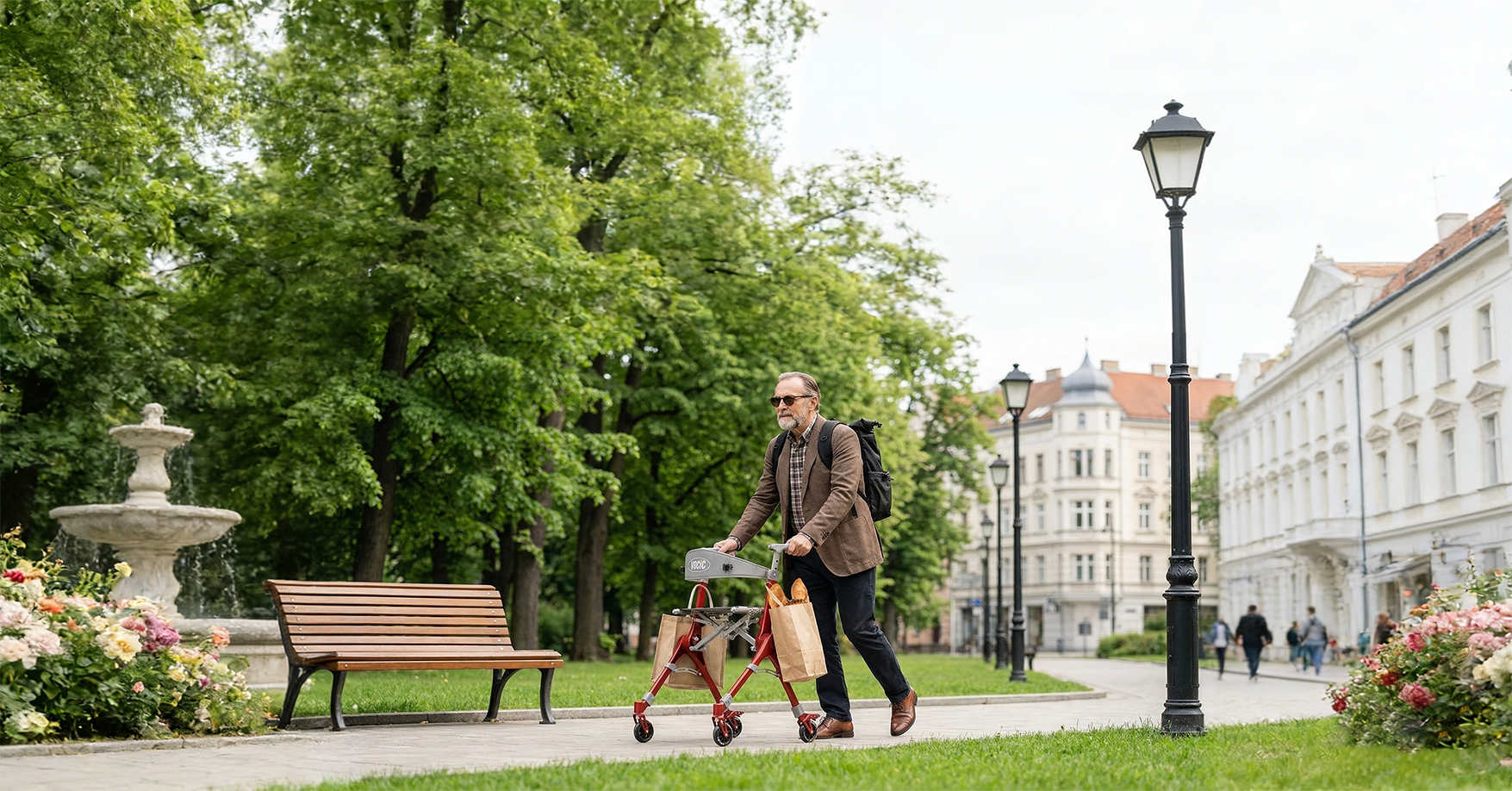
- Use sunscreen and a hat; the sun on the Riviera can be intense even on mild days. If you use mobility aids, pre-book accessible taxis or call hotels ahead to confirm ramps and lifts.
Disclaimer: Details can change—confirm accessibility, hours, and prices before you go.
What to Pack
- Supportive walking shoes, light layers, sun hat, refillable water bottle, medications with prescriptions, a photocopy of your passport, and a small day bag with a collapsible umbrella. Bring a list of emergency contacts and your travel insurance details; many pharmacies and clinics accept cards but carry some euros for small purchases.
FAQs
Is Nice walkable for seniors?
Yes — much of Nice is flat along the Promenade des Anglais with benches and frequent restrooms; Old Town has cobbles and some steps so bring supportive shoes.
How many days do I need in Nice ?
Plan 3–5 days to explore Nice itself and take a short day trip; shorter stays can focus on the Promenade, Old Town, and a single museum.
What’s the easiest neighborhood to stay in?
Stay near the Promenade des Anglais or the port (Vieux Port) for flat streets, frequent trams and taxis, and easy access to cafés and restrooms.
Are Nice trams and public transport senior-friendly?
Yes; the tram network is step-free with low-floor vehicles and priority seating — buy tickets at machines or via apps; buses can be crowded at rush hour.
Can I take Antibes or Villefranche as day trips?
Yes — both are under 90 minutes by train or short boat ride; trains have seats and stations with toilets, and Villefranche is especially compact with gentle strolls.
How do I avoid crowds on the Riviera?
Go early to markets and sights, visit in shoulder seasons (April–June, September–October), and plan rest stops midafternoon when buses and boats are busiest.
Useful Links on SeniorCenters.com