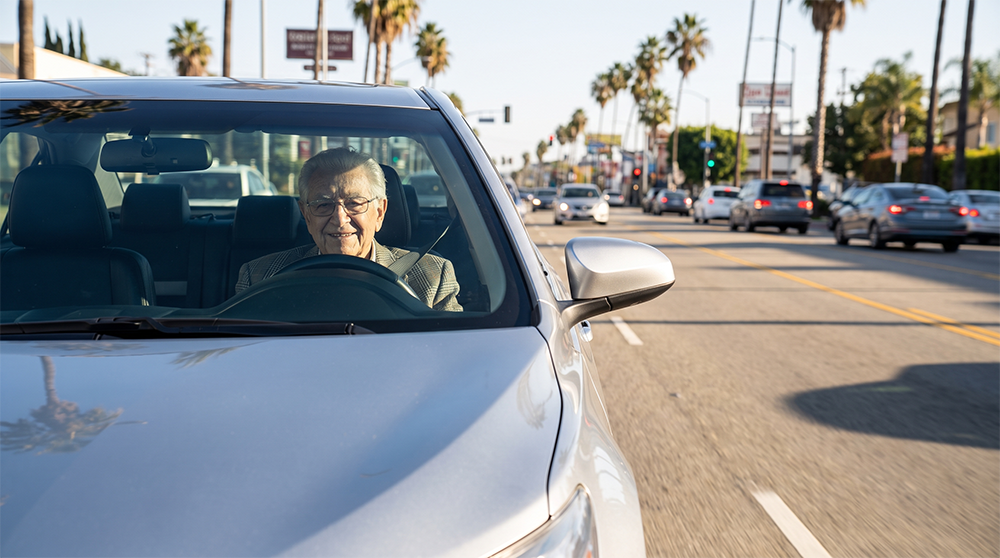
For many seniors, a driver’s license represents much more than transportation. It can mean independence, spontaneous trips to the store, visits with friends, Sunday drives, appointments handled without assistance, and the freedom to decide where to go and when. That is why the possibility of giving up driving can feel like one of the biggest changes associated with getting older.
But stopping driving does not have to mean stopping life. When the time comes, good preparation can make the transition much easier. Transportation can be arranged before the keys are put away, social activities can remain on the calendar, and senior centers can become valuable connections to rides, meals, classes, outings, friendships, and community life.
There is also no single birthday when someone automatically becomes unsafe to drive. The important question is whether a person can continue driving safely and confidently. Changes in vision, reaction time, mobility, medications, memory, or health may eventually make driving more difficult. Recognizing those changes early provides time to make a thoughtful plan rather than waiting for a crisis.
It Is About Ability, Not Simply Age
People age differently. One person may drive comfortably well into later life, while another may begin having difficulty much earlier. Age alone does not determine whether someone should stop driving.
Instead, pay attention to how driving feels and what happens on the road. Has night driving become stressful? Are busy intersections confusing? Is it becoming difficult to turn far enough to check blind spots? Have there been new dents, close calls, missed signs, or moments of getting lost on familiar routes?
Sometimes the first step is not giving up driving completely. A senior may decide to avoid highways, unfamiliar areas, rush-hour traffic, nighttime driving, or poor weather. Those adjustments can reduce difficult situations while preserving some independence.
However, when driving problems continue or become more serious, it may be time to consider whether another transportation plan would be safer.
Signs That Deserve Attention
One difficult drive does not necessarily mean someone must stop driving. Everyone makes occasional mistakes. What matters more is whether concerning situations are becoming frequent or forming a pattern.
| Possible Warning Sign |
Why It Matters |
A Helpful Next Step |
| Getting lost on familiar routes |
Navigation or memory may be becoming more difficult |
Discuss the change with a healthcare professional and trusted family member |
| Frequent close calls |
Reaction time, judgment, or awareness may have changed |
Consider a professional driving assessment |
| New dents or scrapes |
Parking, distance judgment, or surrounding awareness may be more difficult |
Review when and how the damage occurred |
| Difficulty seeing signs or lane markings |
Vision changes can affect driving safety |
Schedule an appropriate vision evaluation |
| Confusion at intersections |
Complex traffic situations may be harder to process |
Reduce driving and seek professional guidance |
| Difficulty turning to check traffic |
Reduced flexibility can make blind-spot checks harder |
Discuss physical limitations and possible adaptations |
| Feeling frightened behind the wheel |
Driving may be creating significant stress |
Begin testing alternative transportation options |
| Family or friends repeatedly expressing concern |
Others may be noticing changes that the driver does not see |
Have a calm conversation and review specific examples together |
Talk With a Healthcare Professional
If driving ability seems to be changing, a healthcare professional can be an important part of the conversation. Vision, hearing, mobility, medical conditions, sleep, and medications can all affect how comfortable and safe a person feels behind the wheel.
Bring a current medication list to medical appointments and ask whether any prescription or over-the-counter medicine could cause sleepiness, dizziness, blurred vision, slower reactions, or other effects that may interfere with driving.
If a new difficulty appears suddenly, do not simply assume it is part of aging. A healthcare professional can help determine whether there is an underlying issue that deserves attention.
In some situations, a driving evaluation by an appropriately qualified professional may provide useful information about actual on-road abilities and possible adaptations.
Have the Conversation Before There Is a Crisis
Families sometimes avoid discussing driving because they know the subject may be emotional. Unfortunately, waiting until after a collision, serious near miss, or medical emergency can make the discussion much harder.
A better conversation begins with respect. Instead of saying, “You are too old to drive,” focus on specific concerns. Saying, “You mentioned that driving after dark has become difficult,” is very different from making a broad judgment based on age.
Ask the senior how driving feels from their perspective. They may already recognize that certain situations have become uncomfortable but fear what will happen if they admit it.
The conversation becomes much more constructive when it includes transportation solutions. Telling someone to stop driving without explaining how they will reach the grocery store, doctor, senior center, church, pharmacy, friends, or family can make the loss feel overwhelming.
Begin Building a Transportation Plan Early
The best time to investigate alternatives is while driving is still possible. That provides an opportunity to test different options without pressure.
Write down the places you normally drive during an average month. Include medical appointments, grocery stores, pharmacies, restaurants, senior centers, places of worship, friends’ homes, family gatherings, entertainment, and routine errands.
Next to each destination, write down another possible way to get there. A family member might handle one trip. A senior transportation program may cover another. Grocery delivery might eliminate one errand entirely.
Once alternatives are visible on paper, the idea of no longer driving often becomes more manageable.
Try Transportation Options Before You Need Them
A transportation service can sound intimidating when someone has never used it. Try it once while there is no urgency.
Take a senior shuttle to the center. Ride with a friend to lunch. Test a taxi or rideshare service with a family member. Ask how local paratransit works and whether advance registration is required.
This practice helps answer practical questions. How early must a ride be reserved? Where does the vehicle pick up passengers? Can a walker or wheelchair be accommodated? How does payment work? Can someone travel with you?
Learning these details gradually can prevent transportation from becoming another source of anxiety when driving eventually stops.
Senior Centers Can Be Part of the Solution
Senior centers can become especially valuable when a person no longer drives. Depending on the community, centers may provide their own transportation, coordinate group trips, share information about local senior ride programs, or help members understand other available services.
A senior center also reduces the number of separate destinations someone may need to reach. Meals, exercise, games, classes, health programs, social events, and educational activities may all be available in one place.
That means one ride to the senior center can lead to several hours of activity and connection rather than a single short errand.
SeniorCenters.com also explores the driving question from a safety perspective in Why You Shouldn’t Let Your Loved One Continue To Drive As They Age, including issues families may want to consider when evaluating whether continued driving is becoming risky.
Do Not Let Giving Up the Keys Mean Giving Up Friends
One of the greatest concerns about stopping driving is social isolation. A senior may worry that friends will continue going to restaurants, activities, or events while they remain at home.
That is why social transportation deserves just as much attention as transportation for medical appointments.
Tell friends that you are no longer driving and ask whether carpooling would work for regular activities. Many people are happy to provide a ride when they know one is needed, especially when everyone is already traveling to the same destination.
Offer to contribute toward parking or another shared expense when appropriate. Friendship should not feel like a transportation transaction, but some seniors feel more comfortable when they can contribute in some way.
Plan Activities Around Transportation
Once someone stops driving, activities may require a little more planning. That does not make them less enjoyable.
Choose restaurants near friends who can provide rides. Attend events organized by a senior center where group transportation is available. Schedule appointments on the same day when possible so several errands can be completed during one trip.
If transportation must be reserved ahead of time, put the reservation date on the calendar along with the activity itself.
For social outings, ask everyone how they are getting there before plans are finalized. Transportation should be part of the activity plan rather than something discussed at the last minute.
Turn Rides Into Social Time
Not driving can sometimes create unexpected opportunities for companionship. Instead of traveling alone, you may now ride with a friend, neighbor, relative, or senior center group.
The trip itself becomes conversation time. A ride to an exercise class may include coffee afterward. A medical appointment might be followed by lunch with the family member who drove.
Group transportation can have the same effect. Conversations often begin on the way to an event and continue throughout the day.
When viewed this way, transportation does not only replace driving. It can sometimes create additional social interaction.
Keep Day Trips on the Calendar
Giving up personal driving should not mean giving up travel. In fact, organized trips may become more appealing because someone else handles the road.
Senior centers frequently organize trips to museums, restaurants, theaters, gardens, festivals, historic areas, and other attractions. Participants can enjoy the destination without worrying about traffic, parking, unfamiliar roads, or the drive home.
Friends can also organize outings together, with one person driving or the group arranging transportation. SeniorCenters.com’s Day Trips With Friends offers ideas for destinations, accessibility, pacing, transportation, and planning comfortable outings for older adults.
The important lesson is that the end of driving does not have to be the end of exploring.
Make Grocery Shopping Easier
Groceries are often one of the first practical concerns when driving stops. Fortunately, there are several ways to approach shopping.
A friend or relative may be able to combine grocery trips. Senior transportation programs may provide scheduled rides to stores. Some supermarkets offer delivery or pickup services, and community organizations may provide additional assistance to eligible older adults.
Another option is to make fewer but more organized trips. Keep a running grocery list during the week so essential items are not forgotten when transportation is available.
If shopping with someone else, treat the outing as social time rather than simply an errand. A grocery trip followed by coffee can become part of a weekly routine.
Plan for Medical Appointments
Reliable transportation to healthcare appointments deserves special attention. Ask clinics whether they know of transportation programs available to patients. Local aging agencies, community programs, health plans, senior centers, and paratransit services may also have information.
When someone else provides the ride, write down the appointment time, location, expected duration, and pickup plan. If the driver will remain during the appointment, ask whether you would like them to accompany you into the office or wait elsewhere.
Schedule important rides well in advance when possible. Waiting until the day before an appointment can create unnecessary stress.
Walking Can Replace Some Short Drives
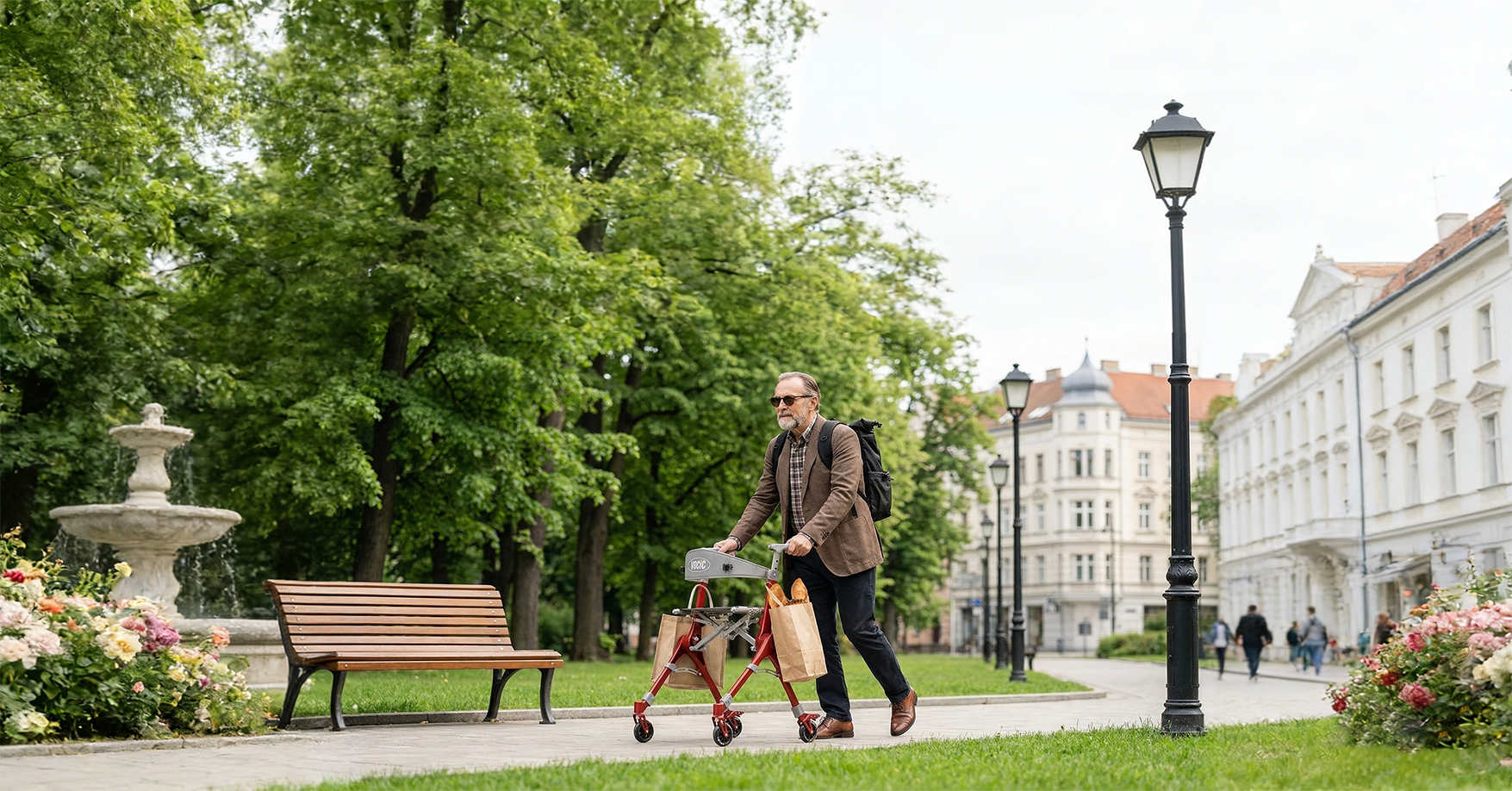
For seniors who can walk safely and live in pedestrian-friendly areas, some very short car trips may be replaced with walking. A nearby café, library, community center, neighbor’s home, or park may be within comfortable distance.
However, a route that looks short on a map is not automatically safe. Consider sidewalks, intersections, hills, traffic, weather, lighting, benches, and the distance back home.
Walking should be based on personal mobility and medical guidance rather than used simply because a car is no longer available.
A friend can make the activity safer and more enjoyable. A regular walking partner also creates another reason to stay socially connected.
Learn How Rideshare Services Work
Some seniors use app-based rideshare services or traditional taxis after they stop driving. These can provide flexibility when scheduled senior transportation is unavailable.
If smartphone technology feels unfamiliar, ask a trusted family member, friend, or senior center technology instructor to demonstrate the process. Practice requesting a ride together before attempting it alone.
Learn how to confirm the driver’s identity and vehicle before getting in. Never enter a vehicle solely because someone says they are your driver.
If app-based transportation does not feel comfortable, ask whether a local taxi company allows rides to be scheduled by phone.
Create a Weekly Ride Schedule
A predictable transportation routine can restore some of the freedom people miss after driving.
For example, Monday might be grocery day, Tuesday a senior center program, Thursday a medical or errands day, and Friday lunch with friends. Not every week needs to follow the same pattern, but regular transportation can make life feel organized again.
Write rides on a calendar and include reservation numbers or contact information. Confirm important trips the day before.
Over time, transportation can become another ordinary part of the routine rather than something that must be reinvented for every outing.
Family Members Should Share the Responsibility
When relatives become the primary source of transportation, one person should not necessarily have to handle every trip.
Families can create a shared schedule. One person might handle medical appointments, another grocery trips, and another social outings. Neighbors and friends may also be willing to help occasionally.
Clear planning helps prevent misunderstandings. Ask for rides in advance whenever possible rather than assuming someone will be available.
It is also important that the senior continue to have a voice in the schedule. Stopping driving does not mean losing the right to make plans or choose activities.
There May Be Some Grief Involved
Giving up driving can feel like a genuine loss. Someone who has driven for fifty or sixty years may suddenly feel dependent in a way they have never experienced before.
It is reasonable to feel frustrated, angry, embarrassed, or sad. Those emotions should not automatically be dismissed with comments such as, “At least you don’t have to pay for gas anymore.”
Listen to what the change represents. It may mean losing spontaneity, privacy, or a familiar role within the family.
At the same time, focus on what can be rebuilt. Transportation may change, but friendships, activities, family relationships, hobbies, volunteering, learning, and travel can continue.
Look at the Financial Side Too
Alternative transportation costs money, but so does owning a vehicle. When comparing expenses, consider insurance, registration, maintenance, repairs, fuel, parking, and vehicle depreciation in addition to the purchase price.
A monthly transportation budget can help make rides feel planned rather than wasteful. If a person is no longer paying to operate a car, some of that money may be available for taxis, rideshares, delivery services, or transportation programs.
Before selling or transferring a vehicle, consider financial, legal, insurance, and family circumstances carefully. Obtain appropriate professional advice when necessary.
If You Are Not Ready to Stop Completely
For some seniors, the transition happens gradually. A driver may stop traveling at night first, then avoid highways, then limit driving to a small familiar area.
This period can be useful for building transportation alternatives while some driving independence remains.
However, restrictions only help when they genuinely address the difficulty. If someone is becoming confused on familiar roads or repeatedly experiencing dangerous situations, simply avoiding nighttime driving may not be enough.
Safety concerns should be discussed with appropriate healthcare and driving professionals rather than managed entirely through guesswork.
Tips for Senior Centers Supporting Non-Drivers
Senior centers can make an enormous difference by recognizing that transportation is directly connected to participation. A wonderful program is of limited value to someone who has no way to reach it.
Centers should make transportation information easy to find. Staff can maintain current details about local senior shuttles, paratransit, volunteer driver programs, public transportation, and other community options.
When the center provides transportation, reservation procedures should be explained clearly. New members may not know whether rides must be scheduled a day, a week, or longer in advance.
Centers can also coordinate carpools when appropriate, organize group excursions, and schedule popular activities during hours when transportation is easiest to obtain.
Technology workshops can help seniors learn to use navigation, transit information, rideshare applications, or online grocery delivery services.
Keep the Fun and Excitement in the Calendar
Transportation planning is practical, but life should not become nothing more than medical rides and grocery runs.
Schedule enjoyable trips too. Go to lunch. Attend a concert. Visit a museum. Join a class. Meet friends for coffee. Participate in a senior center celebration. Take a scenic group trip.
Having something enjoyable on the calendar can change how the entire transportation transition feels. Instead of focusing only on what is being lost, there is also something new to anticipate.
Ask yourself, “If transportation were already arranged, where would I like to go this month?” Then work backward and find the ride.
Resources for Seniors Preparing to Stop Driving
Healthcare professionals: Discuss vision, medications, physical changes, cognitive concerns, sleep, and other factors that may affect driving.
Driving evaluation professionals: When appropriate, a specialized assessment may help evaluate driving abilities and possible adaptations.
Local senior centers: Ask about transportation, group outings, meal programs, social activities, technology instruction, and community ride resources.
Local aging agencies: Area organizations serving older adults may maintain transportation information and eligibility requirements for community programs.
Public transportation and paratransit: Learn routes, reservation procedures, accessibility options, fares, and application requirements before transportation becomes urgent.
Family, friends, and neighbors: Create a realistic ride network rather than depending entirely on one person.
Taxi and rideshare services: Practice using the service in advance and learn basic passenger safety procedures.
Delivery services: Grocery, pharmacy, restaurant, and household deliveries can reduce the number of trips that require transportation.
Create a Personal Transportation Notebook
One useful project is creating a small transportation notebook or folder. Keep phone numbers, reservation instructions, account details, schedules, emergency contacts, and commonly visited addresses together.
Write down which services require advance booking and which can be arranged the same day. Note whether mobility equipment can be accommodated.
Keep printed information available even if most transportation is arranged by smartphone. A charged phone is useful, but a written backup can provide reassurance.
A family member or trusted friend should also know where this information is stored.
A New Kind of Independence
Independence does not always mean doing everything without help. Sometimes it means knowing how to arrange the help that allows you to continue doing the things you value.
A senior who no longer drives but confidently schedules transportation, attends activities, visits friends, manages appointments, and participates in community life is still making independent choices.
The vehicle may no longer be part of the routine, but the ability to decide where you want to go can remain.
Conclusion: Giving Up the Keys Does Not Mean Giving Up Your Life
Deciding when it is time to stop driving can be difficult because driving is closely connected with freedom and identity. The decision should be based on safety and individual ability rather than age alone, and medical or professional guidance can be valuable when the situation is uncertain.
The transition becomes much easier when transportation alternatives are arranged before driving ends. Senior centers, family members, friends, community transportation, public transit, paratransit, taxis, rideshare services, and delivery programs can all become pieces of a new transportation plan.
Most importantly, continue planning things worth traveling to. Keep lunches with friends on the calendar. Attend senior center activities. Take group trips. Visit family. Go to concerts, games, classes, and community events.
There may come a day when the car stays in the driveway for good. That does not mean you need to stay home with it. With preparation, support, and a little creativity, the road ahead can still be full of places to go and people to see.