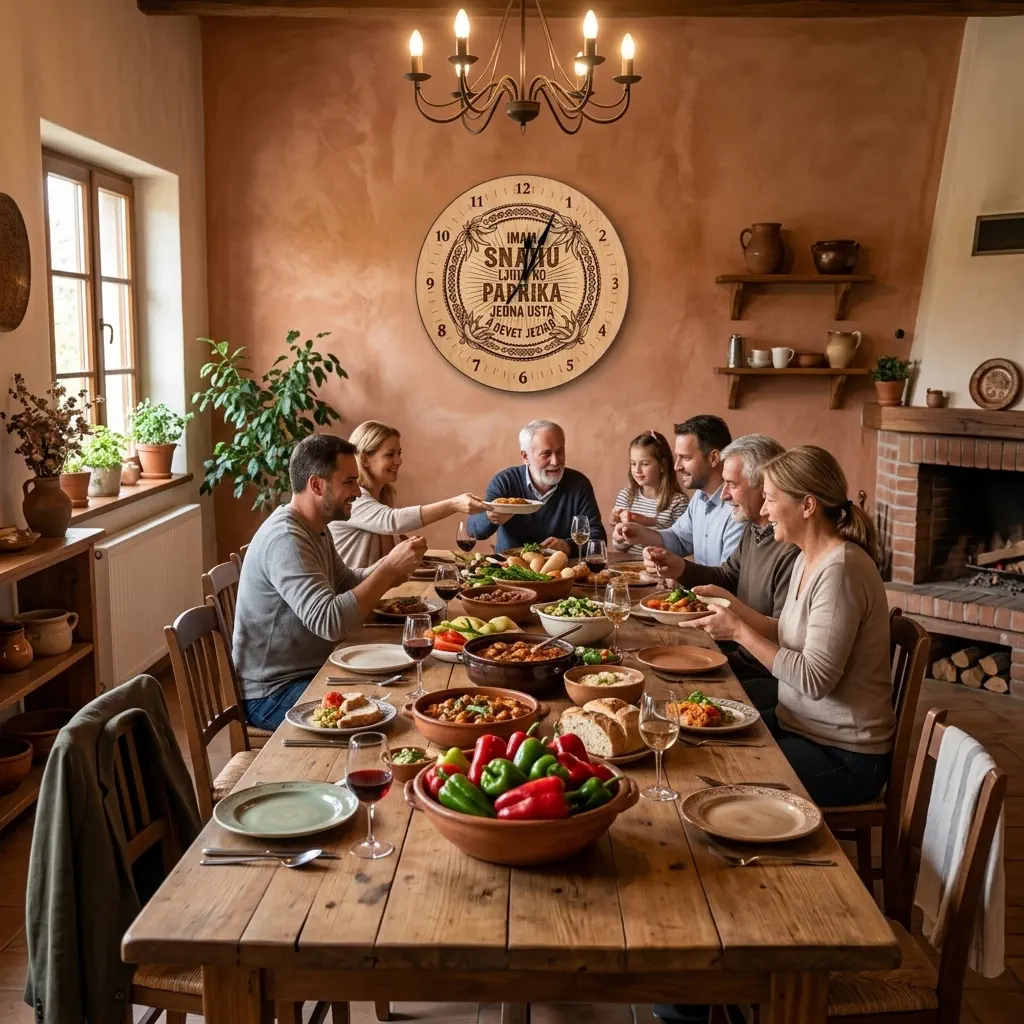
Sometimes the best social event does not require reservations, tickets, or a long drive. It can happen right at home. A few chairs around the table, something simple to eat, familiar music playing in the background, and people you care about can turn an ordinary afternoon or evening into one of the highlights of the month.
For seniors, inviting friends and family over can be a wonderful way to stay connected while enjoying the comfort of familiar surroundings. A get-together can be as small as coffee with two friends or as lively as a family game night with several generations gathered together. The goal is not to create the perfect party. It is to create an opportunity to talk, laugh, share stories, and enjoy being together.
With a little advance planning, seniors can host gatherings without making the preparation exhausting. Choosing simple food, asking guests to contribute, arranging comfortable seating, and planning one or two easy activities can make the occasion enjoyable for the host as well as the guests. Senior centers can also provide ideas, friendships, activities, and resources that inspire gatherings at home.
Start With the People, Not the Party
Before deciding what food to serve or what activities to plan, think about who you would genuinely enjoy spending time with. A successful get-together does not need a large guest list. In many cases, four or six people can create a more relaxed atmosphere than a crowded room.
You might invite longtime friends, neighbors, relatives, people from a senior center class, or a combination of several groups. Bringing together people who do not already know one another can also be fun, particularly when they share common interests.
Do not worry about making the guest list perfectly balanced. The purpose is simply to bring people together. A cousin, an old coworker, and two friends from your walking group may end up discovering that they have plenty to talk about.
Choose a Time That Works for You
A get-together does not have to happen late at night. In fact, many seniors find afternoon or early-evening gatherings easier to host and attend. A 2:00 p.m. coffee gathering, 4:30 p.m. early dinner, or 6:00 p.m. game night can feel festive without ending too late.
Choose a time when you normally have good energy. If mornings are your best time of day, consider brunch. If you prefer a slower morning, an afternoon gathering may be better.
Think about your guests as well. Someone who avoids driving after dark may appreciate an earlier event. Family members with children may find a weekend afternoon easier. The most convenient time is the one that allows people to relax instead of watching the clock.
Keep the Gathering Simple
One of the biggest mistakes a host can make is turning a casual gathering into a major production. You do not need an elaborate menu, formal decorations, or hours of preparation to make guests feel welcome.
A pitcher of iced tea, coffee, sandwiches, fruit, cookies, or a simple casserole may be plenty. You can also ask everyone to bring something. A potluck removes much of the burden from the host and gives guests a chance to share favorite dishes.
If cooking is not enjoyable, order food. Pizza, sandwiches, salads, takeout, or prepared grocery-store meals can work perfectly well. Guests are coming to see you and one another, not to judge the kitchen.
Get-Together Idea
Preparation Level
Good Group Size
What Makes It Fun
Coffee and Dessert
Low
2–6 people
Relaxed conversation without a complicated meal
Potluck Lunch
Low to Moderate
4–10 people
Everyone contributes and shares favorite foods
Card or Game Night
Low
4–8 people
Friendly competition creates laughter and conversation
Family Movie Night
Low
2–8 people
Easy entertainment for different generations
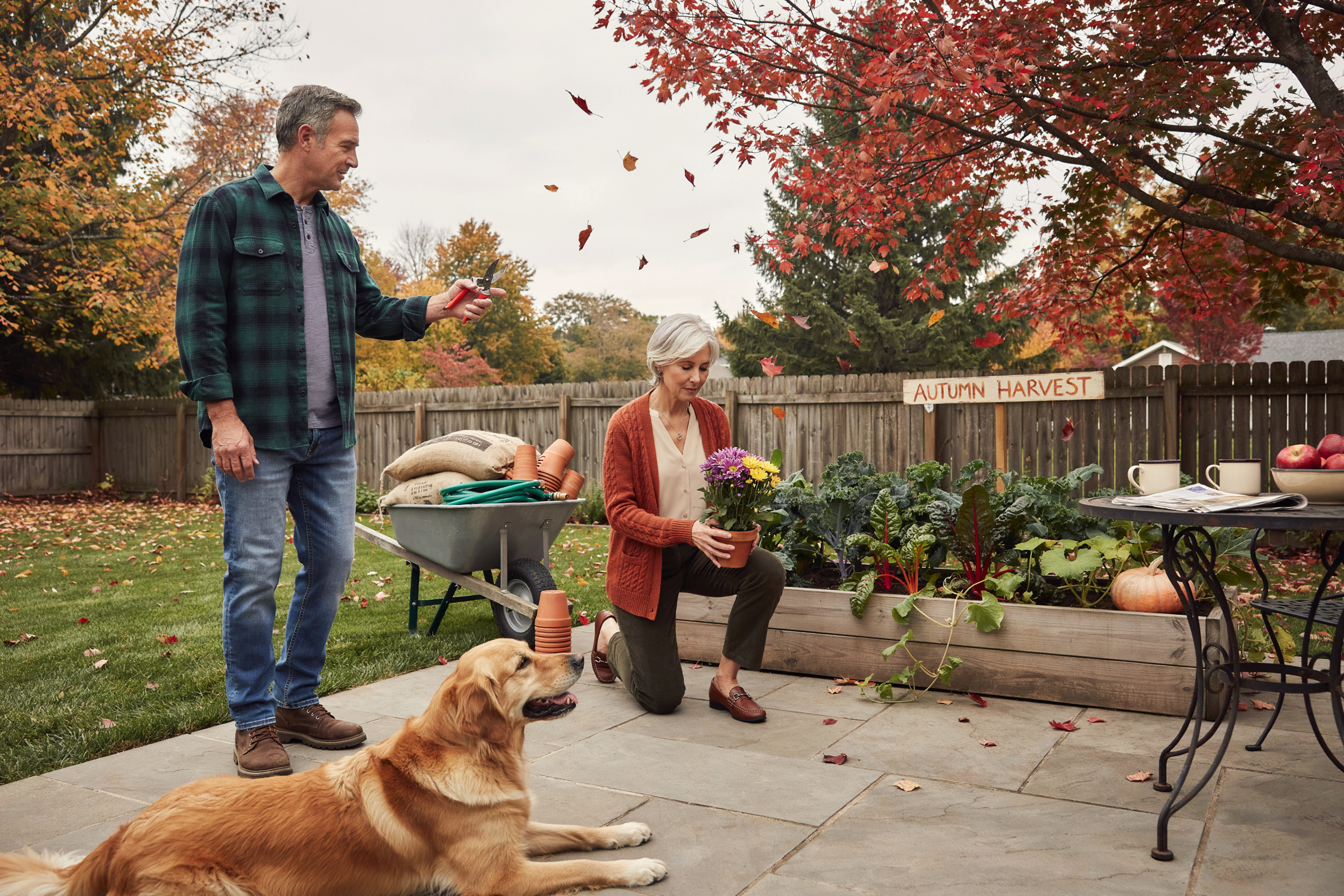
Backyard Gathering
Moderate
4–12 people
Fresh air, food, and casual conversation
Music and Memories Night
Low
3–8 people
Favorite songs often lead to stories and shared memories
Birthday or Holiday Gathering
Moderate
Varies
Creates a natural reason for everyone to reconnect
Prepare the Room for Conversation
Furniture arrangement can make a surprising difference. Try to position chairs so guests can see one another rather than placing everyone in a straight line facing the television.
A circle or loose semicircle often encourages conversation. If people will be eating, make sure tables are close enough that guests do not need to balance plates awkwardly.
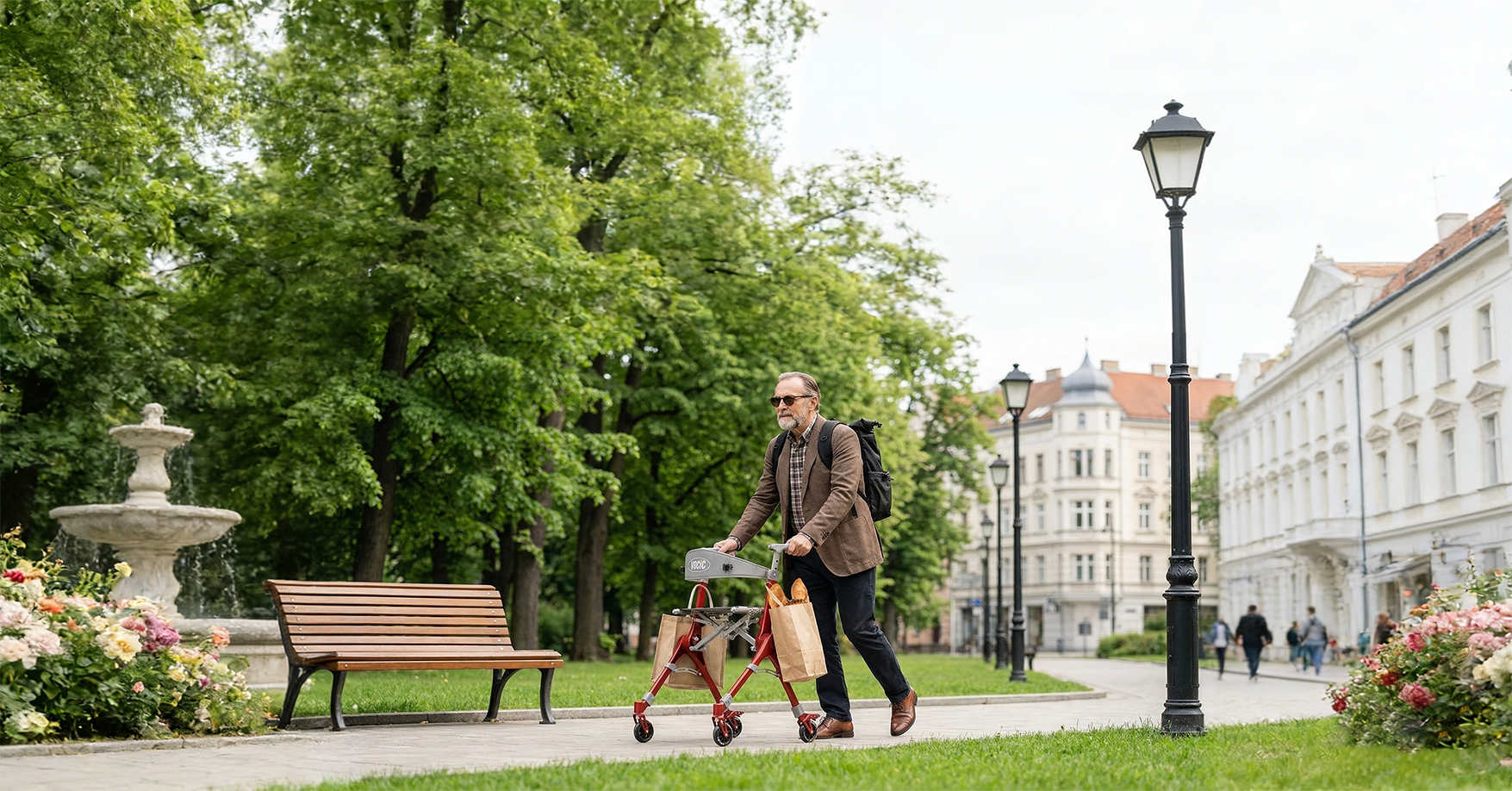
Remove unnecessary clutter from walkways and make sure commonly used areas are easy to reach. If guests use canes, walkers, or other mobility aids, leave additional room between furniture.
Good lighting is also important. Guests should be able to see steps, hallways, food, cards, and one another comfortably. A welcoming home is not about decoration as much as comfort.
Give People Something to Do
Conversation may be enough, particularly among people who already know one another well. Still, having one activity available can help keep the gathering lively.
Cards, dominoes, trivia, board games, puzzles, or simple word games can work well. The activity does not need to dominate the event. It simply provides something everyone can participate in when conversation slows.
Music is another easy option. Create a playlist of familiar songs and let guests suggest favorites. Songs from earlier decades can spark stories about dances, concerts, weddings, vacations, and memorable moments.
A photo album can have the same effect. Family photographs, old neighborhood pictures, vacation photos, or pictures from senior center outings give everyone something to discuss.
Try a Theme Without Making It Complicated
A small theme can make a gathering feel special without creating much additional work. You could host a “favorite dessert afternoon,” a classic movie night, a summer lemonade gathering, a football afternoon, or a holiday cookie exchange.
A music theme can be especially easy. Choose a decade and play songs from that period. Guests can share memories of where they lived, what they wore, or what they were doing when those songs were popular.
Another idea is a travel night. Guests can bring a few photographs from memorable trips and tell stories about where they went. No presentation is required. The photographs simply provide conversation starters.
Senior Center Activities Can Inspire Home Gatherings
If you are unsure what to do when people come over, think about activities you already enjoy at a senior center. Card games, trivia, crafts, music, puzzles, storytelling, and group meals can all be adapted for a smaller gathering at home.
The SeniorCenters.com collection of 100+ unique elderly activities offers additional inspiration for finding activities that match different personalities and ability levels. You do not need to recreate an entire senior center program. One enjoyable idea may be enough for a memorable afternoon.
Senior center friends can also become part of your guest list. If you regularly talk with several people after a class or meal, inviting them for coffee can be a natural next step in developing those friendships.
Ask Guests to Participate in the Planning
Hosting does not mean doing everything yourself. Asking guests to contribute can actually make the gathering feel more social.
One person might bring dessert. Another might bring a favorite game. Someone else could bring music or a photo album. Family members can help set up chairs, prepare food, or clean up afterward.
You can be very direct. Saying, “I’d love to have everyone over, but I could use some help with the food,” gives people a clear opportunity to participate.
Most guests are happy to help when they know what is needed. Sharing the work also allows the host to conserve energy for the gathering itself.
Do Some Preparation the Day Before
Trying to clean the house, shop, cook, rearrange furniture, and host guests all on the same day can quickly become exhausting. Whenever possible, spread the preparation over several days.
Shop ahead. Set out serving dishes the night before. Move furniture earlier in the week. Prepare foods in advance when possible.
On the day of the gathering, leave time to rest before guests arrive. The purpose of preparing early is to ensure that you still have enough energy to enjoy your own event.
Do Not Worry About Having a Perfect Home
Many people avoid inviting others over because they believe the house needs to look perfect. It does not.
Your friends probably care much more about seeing you than inspecting your furniture or kitchen counters. A home can be comfortable and welcoming without looking like a magazine photograph.
Focus on the spaces guests will actually use. Make sure the bathroom is tidy, the seating area is comfortable, and walkways are clear. Everything else can wait.
If hosting at home still feels stressful, consider using a community room, apartment clubhouse, senior center, church hall, or other shared space instead.
Make Introductions When Groups Mix
If friends and relatives who do not know one another will be attending, help make introductions. Rather than only saying names, mention something they may have in common.
You might say, “This is Bob from my senior center walking group. You both love gardening,” or “This is my neighbor Linda. She grew up in the same part of Ohio that you did.”
A small piece of information makes starting a conversation easier. Once people begin talking, you can step away and allow the conversation to develop naturally.
Bring Different Generations Together
A family get-together can become particularly enjoyable when several generations participate. Grandchildren and great-grandchildren bring different interests, while older relatives bring stories and family history.
Choose activities that do not depend heavily on age. Simple games, family trivia, photographs, music, cooking, or storytelling can allow everyone to participate.
You might ask younger relatives to show older family members something on a phone or tablet. Seniors can return the favor by teaching a card game, recipe, craft, or family tradition.
Intergenerational gatherings do not have to be perfectly organized. Sometimes the fun comes from allowing children, parents, grandparents, and friends to simply spend time in the same room.
Use Food as a Conversation Starter
Food has a remarkable way of bringing people together. A favorite recipe often carries a story with it.
You might serve a dish that your family has made for years and tell guests where the recipe came from. Ask friends to bring foods connected to their own families or hometowns.
A dessert tasting can be fun and easy. Everyone brings one small dessert and samples the different choices. The same idea can work with soups, sandwiches, appetizers, or favorite snacks.
If guests have dietary restrictions, ask beforehand. Offering several simple choices can help everyone feel included without requiring the host to prepare separate elaborate meals.
Create a Regular Tradition
A get-together becomes even more valuable when it is not a one-time event. Consider making it monthly or seasonal.
A first-Friday coffee gathering, monthly card afternoon, Sunday family dinner, or seasonal potluck gives everyone something predictable to anticipate.
The location can rotate. One month may be at your home, the next at another friend’s house, and the next at a restaurant or senior center. Rotating hosts distributes the work.
Before everyone leaves, discuss the next date. It is much easier to continue the tradition when the next gathering is already on the calendar.
Plan an Activity Away From Home Next Time
A home gathering can also lead to future adventures. During the event, people may discover shared interests and begin discussing places they would like to visit together.
Perhaps several guests want to visit a museum, botanical garden, restaurant, theater, or nearby historic town. Turning those ideas into a future group outing can keep the excitement going after the gathering ends.
For practical ideas about transportation, accessibility, pacing, and destinations, Day Trips With Friends offers a useful starting point for planning a comfortable outing together.
Tips for Senior Centers Encouraging Small Gatherings
Senior centers can help members take friendships beyond scheduled programs. A center may provide community rooms for small gatherings, allow members to organize clubs, or provide information about nearby meeting spaces.
Staff can encourage members who regularly sit together to organize informal lunches or coffee gatherings. Those small invitations can turn acquaintances into genuine friendships.
Centers can also offer hosting workshops that cover easy meal planning, accessible home arrangements, games, technology for invitations, and simple entertaining ideas.
A recipe exchange is another useful program. Members can share favorite dishes and eventually organize potlucks where everyone brings something connected to a family tradition.
Senior centers should also remember members who cannot comfortably host at home. Providing rooms for birthday gatherings, club meetings, family events, or small celebrations can give those seniors a welcoming alternative.
Make Guests Comfortable Without Hovering
When guests arrive, show them where they can place coats, bags, or mobility aids. Point out the restroom and offer something to drink.
After that, relax. You do not need to constantly serve everyone. Set food and drinks where guests can help themselves when practical.
If someone needs assistance, provide it naturally. Otherwise, allow guests to move around, talk, and settle in at their own pace.
The host sets the emotional tone. When you appear relaxed, guests are more likely to relax too.
Remember That Fun Can Be Unplanned
You may carefully plan a card game only to discover that everyone spends the entire evening talking. That is not a failed activity. It may actually mean the gathering is going extremely well.
Plans are useful, but they do not need to control the event. If guests are laughing and telling stories, let the conversation continue.
Likewise, if someone unexpectedly brings photographs or begins playing music, allow the gathering to change direction. Some of the best memories come from moments nobody scheduled.
Know When to End on a High Note
A gathering does not need to last all day. Two or three enjoyable hours may be plenty.
Ending while people are still having fun can leave everyone looking forward to the next event. It also prevents the host from becoming exhausted.
If you want guests to leave around a certain time, include an approximate ending time when inviting them. Saying “Come over from 2:00 to 5:00 for cards and dessert” sets expectations without feeling unfriendly.
As the gathering winds down, thank everyone for coming and begin discussing when you might do it again.
Resources for Planning a Senior-Friendly Get-Together
Local senior centers: Ask about activity ideas, community rooms, social clubs, games, classes, meal programs, and gathering spaces.
Family members: Ask relatives to help with shopping, food preparation, furniture arrangement, transportation, or cleanup.
Friends and neighbors: Invite guests to bring a dish, game, music selection, photographs, or another activity to share.
Libraries: Look for books, movies, puzzles, games, discussion ideas, and community programs that may inspire a gathering.
Community recreation departments: Ask about rentable rooms, picnic areas, clubhouses, and group activity facilities.
Local restaurants and grocery stores: Prepared foods and catering can make hosting easier when cooking for a group feels like too much work.
Apartment or neighborhood community rooms: Shared spaces can provide additional seating and accessibility when hosting at home is difficult.
After Everyone Goes Home
Do not feel obligated to clean everything immediately. Put away foods that need refrigeration, handle anything that could create a safety issue, and leave the rest until you have more energy.
If family members or friends offer to help clean up, let them. Accepting assistance makes it much more likely that hosting will remain enjoyable enough to do again.
The next day, send a quick message thanking everyone for coming. Share a photograph if someone took one, mention something funny that happened, or suggest another gathering.
Those small follow-ups help turn one enjoyable afternoon into an ongoing social connection.
The Real Goal Is Connection
It is easy to become distracted by food, decorations, cleaning, and schedules, but none of those things is the real purpose of a get-together.
The purpose is hearing a friend’s laugh in your living room. It is watching family members tell old stories. It is learning something new about a neighbor. It is realizing that several hours have passed because everyone was enjoying themselves.
A successful gathering is not measured by how impressive it looks. It is measured by whether people felt comfortable, included, and happy to be there.
Conclusion: Open the Door and Enjoy the Company
Inviting friends and family over for a get-together can turn an ordinary day into something worth remembering. It does not require a large house, complicated menu, expensive decorations, or perfect planning.
Start with a few people you enjoy. Pick a comfortable time. Keep the food simple. Give everyone somewhere comfortable to sit, and have one activity available in case you need it. Ask for help rather than trying to handle everything yourself.
Senior centers can make these gatherings easier by providing activity ideas, introducing new friendships, offering community spaces, and helping seniors remain socially connected. The relationships that begin during a class or lunch at the center can eventually continue around a kitchen table at home.
In the end, the best part of having people over is not what you serve or how the house looks. It is the moment when the room fills with conversation and laughter and you realize that everyone is exactly where they want to be—together.
Browse thousands of Senior Centers from around America. Senior Centers are an integral part of society and are the center of life for many seniors and aging adults.
Find a Senior Center which fits your needs using our search feature and keep up to date on all the latest news.
Advertisers are not endorsed by SeniorCenters.com or any senior center listed. This site is not endorsed by or affiliated with any senior center or organization listed.
To provide the best experiences, we use technologies like cookies to store and/or access device information. Consenting to these technologies will allow us to process data such as browsing behaviour or unique IDs on this site. Not consenting or withdrawing consent, may adversely affect certain features and functions.
Functional
Always active
The technical storage or access is strictly necessary for the legitimate purpose of enabling the use of a specific service explicitly requested by the subscriber or user, or for the sole purpose of carrying out the transmission of a communication over an electronic communications network.
Preferences
The technical storage or access is necessary for the legitimate purpose of storing preferences that are not requested by the subscriber or user.
Statistics
The technical storage or access that is used exclusively for statistical purposes.The technical storage or access that is used exclusively for anonymous statistical purposes. Without a subpoena, voluntary compliance on the part of your Internet Service Provider, or additional records from a third party, information stored or retrieved for this purpose alone cannot usually be used to identify you.
Marketing
The technical storage or access is required to create user profiles to send advertising, or to track the user on a website or across several websites for similar marketing purposes.