7 Must-See Gentle Gems in Kyoto: Gardens, Teahouses & Soothing Temples
If you’re picturing Kyoto as a place to calm your mind, fill your senses, and move at your own pace—you’re right. This city offers serenity in its gardens, story in its teahouses, and peace in its temples. Let’s walk through seven quiet wonders where history, nature, and comfort meet in harmony—your steady step, your breath, your soak-in-the-moment kind of travel.
Murin-an: Where Water, Lawn & Reflection Meet
Imagine strolling under soft light through wide lawns, over whispering streams, past a triple waterfall—all designed with your comfort in mind. That’s Murin-an. Created in the late 19th century (built 1894-96), it’s a Meiji-era garden where Western lawn style and Japanese garden design blend beautifully. Built by statesman Yamagata Aritomo and designed by master gardener Ogawa Jihei (also called Ueji), the promenades are flat and the garden is interspersed with benches so you can stop whenever you like—and believe me, almost every view invites a pause. You can learn more about Kyoto as a senior-friendly city.
In spring, there are cherry blossoms; in fall, red maple trees mirrored in water. There’s a teahouse overlooking the lawn—ideal for matcha and sweets or simply coffee if you prefer. Perfect for a slow day that soothes both joints and spirit. Explore more of Kyoto’s best gardens.
The Moss Magic of Koke-dera (Saiho-ji Temple)
If texture and color carry you, then Koke-dera—also called the Moss Temple—is unforgettable. Over 120 moss species carpet gardens that once were pure stone and white sand. They changed over centuries—after flooding in the Edo period, the moss began to grow, transforming the space into something soft and meditative. Discover more about this unique temple on Kyoto Japan Guide.
This place requires advance reservations and entry is limited—to protect the fragile ecosystem (you’ll likely walk slowly, barefoot indoors, but with support structures in rest areas). It’s lushest in early summer, during the rainy season, or during autumn, when the contrast between foliage and moss becomes a painterly masterpiece. Visit Koke-dera Temple for more details.
Ryoan-ji & Dry Landscape Zen Gardens: Stillness in Stones
Here’s something thrilling: gardens without water yet full of movement. They use carefully arranged stones and raked gravel to evoke waves, clouds, islands. At Ryoan-ji, there are 15 rocks in a bed of white gravel arranged so that from no viewpoint can you see all fifteen at once. That mystery stretches your senses. Learn why Zen gardens relieve stress.
Other palace-quiet gardens include those at Daitoku-ji (its sub-temples like Ryogen-in or Zuiho-in) and Kennin-ji. At these spots you wander, pause, reflect. They’re excellent if you like architectural touches or want peace without going entirely isolated. Explore Daitoku-ji temple complex.
Shosei-en & Other Stroll Gardens: Pond, Pavillion, Path
When steep hills or gravel aren’t your thing, stroll gardens offer gentle terrain and sensory rhythms. Shosei-en, just next to the Kyoto Station, is one such garden—curving paths around ponds, old wooden halls, floating koi, occasional teahouses. Built originally as a retirement residence for Buddhist abbots in the 17th century, it radiates retreat-vibe without outrunning the city’s heart. Discover Kyoto’s accessibility.
Others you might love: Ginkaku-ji (Silver Pavilion) with its elegant sand features and mossy corners. Okochi-Sanso Villa in Arashiyama gives you framed views of gardens, forest, and the city, but with places to rest, coffee breaks, and shade. See more gardens in Kyoto.
Teahouses with Tradition (No Rushing Allowed)
- Tsuen Tea House, Uji: Operating since 1160, run by the same family for over 800 years. Wooden overhangs, views of river, river breeze—just being there feels historic. Matcha or sencha, wagashi sweets, that classic Japanese aesthetic. A truly senior-friendly experience.
- Ippodo Chaho: Around since 1717. Tea jars line walls, tatami mats, soft light—senses wake gently. Friendly staff, peaceful atmosphere. Let your cup linger. Another excellent Kyoto destination.
- Buddha Zen Tea House, Gion: More contemporary feel, yet steeped in tradition. Ideal when you want calm without too many stairs, shadows of wooden beams, thoughtful teas. A retreat inside the city. Visit their official website.
- Teahouse Kurosuke, Kamishichiken: Classical chaya. Old beams, red fans, Meiji-style lanterns. Lunch bentos, vegetable delicacies, tofu dishes. If you like meals that tell stories—this is one. Find out more on Traditional Kyoto.
Temples That Let You Breathe
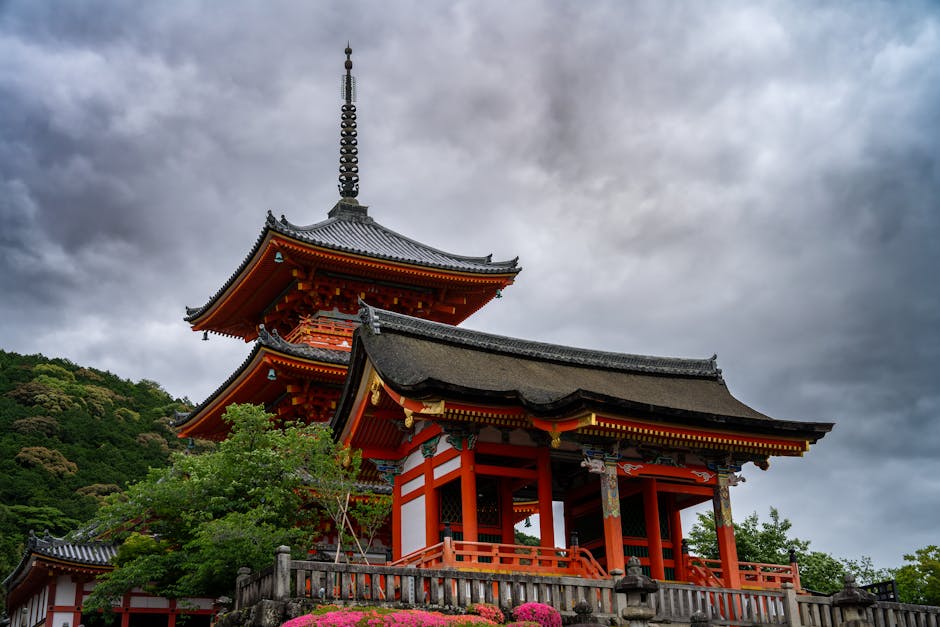
Temples in Kyoto don’t have to mean long stairs and crowds—some are built for reflection and soft awe.
- Hōnen-in: Just off the Philosopher’s Path. Step through a moss-covered gate, walk past white-sand mounds, sit by a koi pond. Jun’ichirō Tanizaki—famous novelist—is buried here, and even that feels gentle. Explore more Kyoto attractions.
- Otagi Nenbutsu-ji: Up in the hills beyond Arashiyama. Statues (rakan) everywhere—some playful, others solemn. The climb isn’t steep for much of the way; shaded paths, rest stops. It’s unexpected, joyful, meditative. Discover its gentle pace.
- Chion-in: Built grand, but with space. The massive Sanmon gate impresses without overwhelming. The lawns, the garden halls, guest areas—all have places to sit, shade, calm. Mornings are best. Read about travel tips for seniors in Kyoto.
Tips for Gentle Travel in Kyoto
Even in calm places, a few practical things make a huge difference:
- Go early or late: The soft light just after sunrise and just before sunset makes gardens glow—and the crowds thin. Many temples are quieter then.
- Pick the right season: Spring (late March-April) for blossoms; early summer for moss; autumn for reds. Even rain can add magic—plants richer, ruins more poetic.
- Comfort first: Flat shoes, light layers, sun hat. Teahouses with chair seating are golden. Carry water, especially in summer.
- Slow itinerary: One garden, one temple, one teahouse per day is often enough. Let things find you rather than racing between spots.
Sample Gentle Day in Kyoto
Here’s how a full day might feel like when you let Kyoto set the pace:
Morning: Start at Murin-an, soak in a garden walk, sip matcha while sun highlights trees. Then take the Philosopher’s Path, detour to Hōnen-in for quiet and shade.
Midday: Lunch near a local teahouse—maybe Buddha Zen in Gion or Kurosuke in Kamishichiken. Enjoy light food, good tea, soft wood interior, peaceful conversation or solitude.
Afternoon: Visit a Zen garden like Ryoan-ji or one of the quieter subtemples in Daitoku-ji—find a spot for repeated glances, let time slow. Then maybe head to Otagi Nenbutsu-ji or Chion-in if you’re up for gentle steps.
Evening: Return to your lodging, or head to a teahouse for a final cup under lantern-light. Let the sounds fade, let your thoughts soften.
Why These Places Matter More Than the “Top Spots”
They aren’t always the busiest or most Instagrammable. But comfort is more than ease—it’s memory. The sound of water, the feeling of moss underfoot, the beauty in imperfection, the weight of history that doesn’t rush you—all that stays with you. Whether it’s seated before a dry garden or walking between statues that feel alive, these are moments of sanctuary.
You don’t need to tick off twenty sights—you need to feel Kyoto. To come back with a breath you can carry home.
Summary
Kyoto isn’t just about what you see—it’s about how you see. If your travel pace includes quiet gardens, gentle temples, and teahouses made for letting go, you’ll discover a version of Kyoto that resonates deeply. Start your days in soft light, choose serenity over speed, pause often, bring curiosity, and let simplicity surprise you. The gardens, the temples, the tea—they’re there, waiting to share peace. Kyoto’s melody stays long after your visit.