Imagine walking into a senior center where a group of older adults finishes a light pickleball match and then moves to a nearby station to check blood pressure, balance stability, or heart rate recovery. In 2026, the line between fitness and health monitoring is becoming more connected than ever before. Modern “medical test” models are helping seniors stay active while safely tracking their wellness through simple screenings and guided sports activities.
This new approach combines sports participation with routine health awareness, creating environments where seniors can enjoy movement while keeping an eye on their physical well-being. Instead of waiting for annual checkups alone, many older adults now benefit from ongoing monitoring tied to exercise programs. Senior centers play a key role in making these models accessible, safe, and social, encouraging seniors to remain physically active while supporting long-term health goals.
The Evolution of Medical Test Models in Senior Fitness
In the past, medical testing often meant isolated visits to clinics or hospitals. Today, many health professionals recognize the value of monitoring health indicators during everyday activities. In 2026, simple tests—such as blood pressure readings, flexibility checks, walking endurance tests, and balance screenings—are increasingly paired with recreational sports programs.
These integrated models provide early insight into potential health concerns while encouraging continued movement. For example, a senior participating in a weekly walking club may occasionally complete a timed walking test to measure endurance progress. These simple measurements offer reassurance when progress is steady and encourage adjustments when needed.
Technology supports this transformation as well. Wearable devices now track heart rate, oxygen levels, and recovery time after activity. These tools allow seniors and caregivers to better understand how the body responds to exercise, making sports participation safer and more personalized.
Sports That Support Safe Health Monitoring
Not all sports are equally suited to medical-style monitoring, but many low-impact activities work well within these models. Sports selected for senior programs typically emphasize steady movement, joint safety, and gradual progress. This allows health checks to be performed without disrupting the enjoyment of the activity.
Sport or Activity
Associated Health Test
Primary Benefit
Why It Fits Medical Test Models
Walking Clubs
Timed walking endurance test
Improves cardiovascular strength
Easy to measure progress over time
Pickleball
Heart rate recovery tracking
Enhances coordination and stamina
Provides safe bursts of activity
Tai Chi
Balance stability screening
Reduces fall risk
Focuses on controlled movements
Water Aerobics
Joint flexibility evaluation
Improves strength without joint strain
Low-impact and adaptable
Stretching Classes
Range-of-motion testing
Supports flexibility
Easy to monitor gradual improvement
Why Combining Sports and Health Monitoring Matters
Regular health testing within sports programs offers reassurance and motivation. Seniors often feel more confident participating in activities when they know their health indicators are being monitored safely. These tests also provide useful feedback that helps participants adjust exercise intensity without unnecessary risk.
Beyond physical health, these programs promote emotional well-being. Knowing that progress is measurable encourages consistency, while group participation fosters accountability. Seniors who track improvements in walking speed or balance often gain a renewed sense of achievement and confidence.
Another advantage is prevention. Early detection of minor health changes allows participants to seek medical advice sooner. This proactive approach supports independence and reduces the likelihood of serious health complications later.
The Role of Senior Centers in Medical Test Activity Models
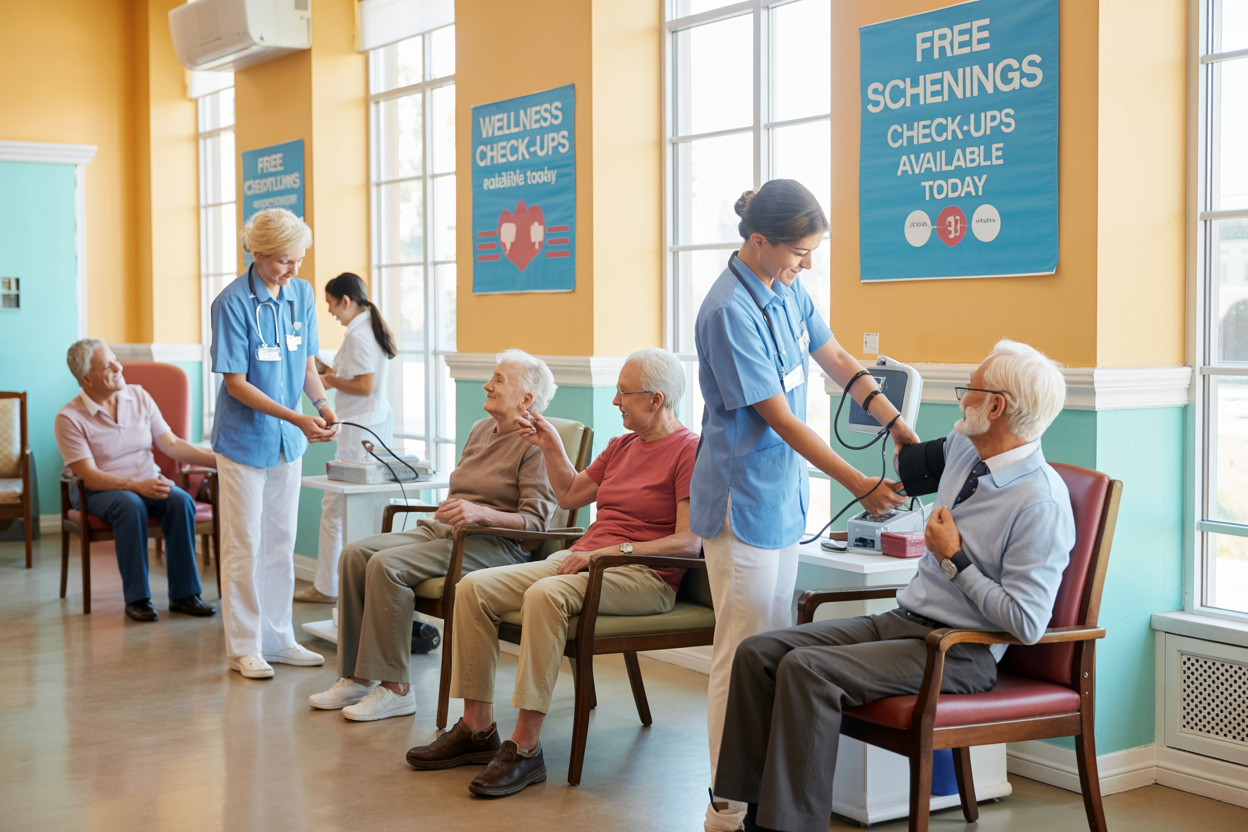
Senior centers are becoming central hubs for these combined fitness and health initiatives. Many centers now collaborate with healthcare providers to host wellness screenings alongside sports programs. These partnerships create convenient opportunities for seniors to participate in both recreation and preventive care in one familiar location.
Programs highlighted within resources such as the Health and Wellness section offer examples of how centers can introduce safe activity-based monitoring. These initiatives help seniors understand how exercise supports their overall health while encouraging consistent participation.
Senior centers also provide trained instructors who understand how to adapt activities for individuals with mobility concerns. With supervision and encouragement, participants feel more comfortable trying new sports or maintaining long-term routines.
Emerging Trends in Medical Testing and Sports for Seniors
In 2026, several emerging trends are shaping how medical testing integrates with sports. One of the most notable developments is personalized fitness planning. Initial screenings help identify strength levels, flexibility limitations, and cardiovascular endurance. Based on this information, instructors recommend activities tailored to individual abilities.
Another trend involves digital health dashboards. These systems collect data from wearable devices and display progress in simple charts. Seniors can see improvements over time, helping them stay motivated and engaged. Families and caregivers can also review information, ensuring consistent support.
Community-wide fitness challenges are also gaining popularity. Participants join group events that track steps walked, games played, or distance covered. These friendly competitions transform routine exercise into exciting community experiences.
Tips for Senior Centers Implementing Medical Test Programs
Senior centers interested in adopting these models should begin by offering basic screening opportunities. Blood pressure checks, hydration reminders, and balance tests provide valuable insights without requiring extensive equipment. These services help build trust among participants and encourage continued attendance.
Centers should also prioritize education. Teaching seniors how to interpret basic health indicators empowers them to make informed decisions about their activity levels. Providing access to educational materials—such as those found in the Senior Center Activities resource section—can support long-term participation and awareness.
Consistency is another important factor. Regularly scheduled screenings combined with recurring sports sessions create predictable routines that participants can rely on. This structure supports both safety and motivation.
Resources for Seniors Interested in Sports and Health Monitoring
Seniors who want to explore medical-style fitness programs can begin by contacting local senior centers to learn about wellness screenings and sports schedules. Many centers offer introductory sessions where participants can try activities before committing to a routine.
Healthcare providers can also guide individuals toward suitable programs. Physicians and therapists often recommend low-impact sports that support specific health conditions. Community recreation departments and nonprofit organizations frequently collaborate with senior centers to host health-focused sports initiatives.
Libraries and community boards may list upcoming health fairs, balance clinics, or fitness demonstrations. These events provide opportunities to learn about safe exercise practices and discover new activities that align with personal goals.
The Future of Senior Medical Test Models
Looking ahead, medical test models integrated with sports are expected to expand rapidly. Advances in wearable technology and remote monitoring tools will make it easier to track progress from home or during group activities. Seniors will have greater access to personalized feedback, helping them maintain safe and effective exercise routines.
As communities continue to invest in wellness programs, senior centers will remain essential gathering places for health-focused recreation. These centers provide the social environment, professional guidance, and structured activities that make integrated testing both practical and enjoyable.
The combination of movement and monitoring reflects a broader shift in how aging is approached. Rather than viewing health as a series of isolated appointments, seniors are embracing daily habits that support long-term vitality.
Conclusion: Building Health Through Movement in 2026
Senior medical test models for 2026 represent a thoughtful blend of sports, safety, and proactive care. By integrating simple screenings with enjoyable activities, these programs help seniors remain active while keeping health awareness at the forefront.
With support from senior centers, healthcare professionals, and community organizations, older adults have more opportunities than ever to maintain independence and confidence. The future of senior wellness lies in combining movement with knowledge—creating lifestyles that are both energetic and informed.
Browse thousands of Senior Centers from around America. Senior Centers are an integral part of society and are the center of life for many seniors and aging adults.
Find a Senior Center which fits your needs using our search feature and keep up to date on all the latest news.
Advertisers are not endorsed by SeniorCenters.com or any senior center listed. This site is not endorsed by or affiliated with any senior center or organization listed.
To provide the best experiences, we use technologies like cookies to store and/or access device information. Consenting to these technologies will allow us to process data such as browsing behaviour or unique IDs on this site. Not consenting or withdrawing consent, may adversely affect certain features and functions.
Functional
Always active
The technical storage or access is strictly necessary for the legitimate purpose of enabling the use of a specific service explicitly requested by the subscriber or user, or for the sole purpose of carrying out the transmission of a communication over an electronic communications network.
Preferences
The technical storage or access is necessary for the legitimate purpose of storing preferences that are not requested by the subscriber or user.
Statistics
The technical storage or access that is used exclusively for statistical purposes.The technical storage or access that is used exclusively for anonymous statistical purposes. Without a subpoena, voluntary compliance on the part of your Internet Service Provider, or additional records from a third party, information stored or retrieved for this purpose alone cannot usually be used to identify you.
Marketing
The technical storage or access is required to create user profiles to send advertising, or to track the user on a website or across several websites for similar marketing purposes.