Sometimes a great day begins with something as simple as looking at the calendar and realizing, “I have somewhere to go today.” A card game at ten, lunch with familiar faces at noon, an exercise class in the afternoon, or a special outing later in the week can give the day anticipation and purpose. That feeling is one of the reasons senior centers can create such positive experiences for older adults.
Senior centers bring together activities, friendships, learning, movement, and community in one welcoming place. The experience is not only about filling free time. It is about having opportunities to participate, laugh, learn something new, meet people, and stay connected with the world outside the home. With thoughtful planning and programs designed around different interests and abilities, a senior center can become one of the most enjoyable parts of a person’s weekly routine.
A Senior Center Gives the Week Something to Look Forward To
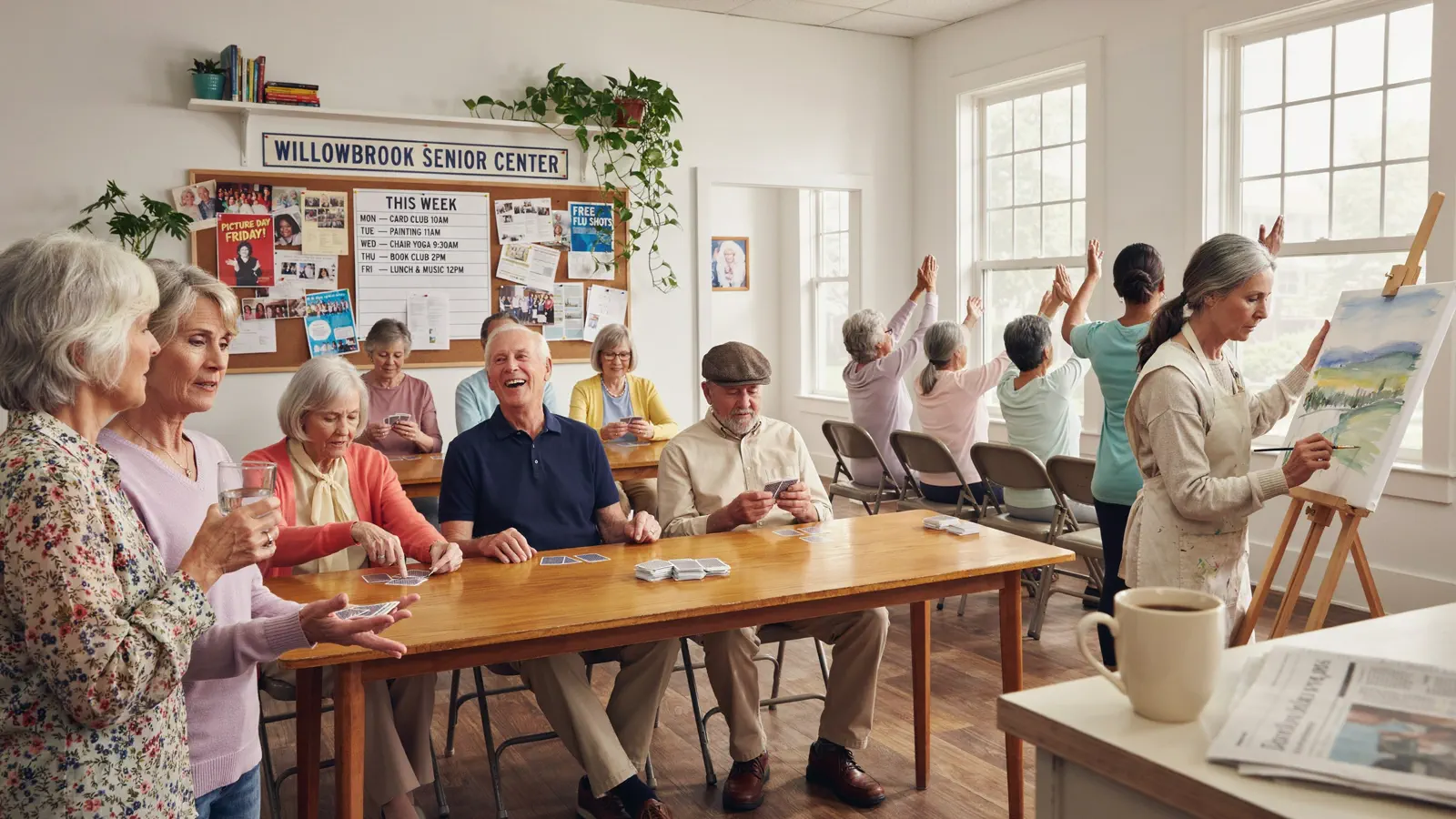
Anticipation is part of the fun. Knowing that Tuesday is game day, Thursday is exercise class, or Friday includes a special lunch creates small landmarks throughout the week. These events can make everyday routines feel more interesting and encourage seniors to remain socially and mentally engaged.
A program does not have to be elaborate to create excitement. A favorite card game, a visiting musician, a birthday celebration, or a new craft project can become an event people talk about before and afterward. The shared experience is often just as important as the activity itself.
For seniors who live alone, having somewhere familiar to go can be especially valuable. Instead of wondering how to fill an afternoon, they may already know that friends and activities are waiting for them at the center.
There Is Usually Something for Every Personality
Not everyone wants the same kind of social experience. One person may love a crowded dance floor, while another would rather sit quietly with three people playing cards. A strong senior center recognizes those differences and creates choices.
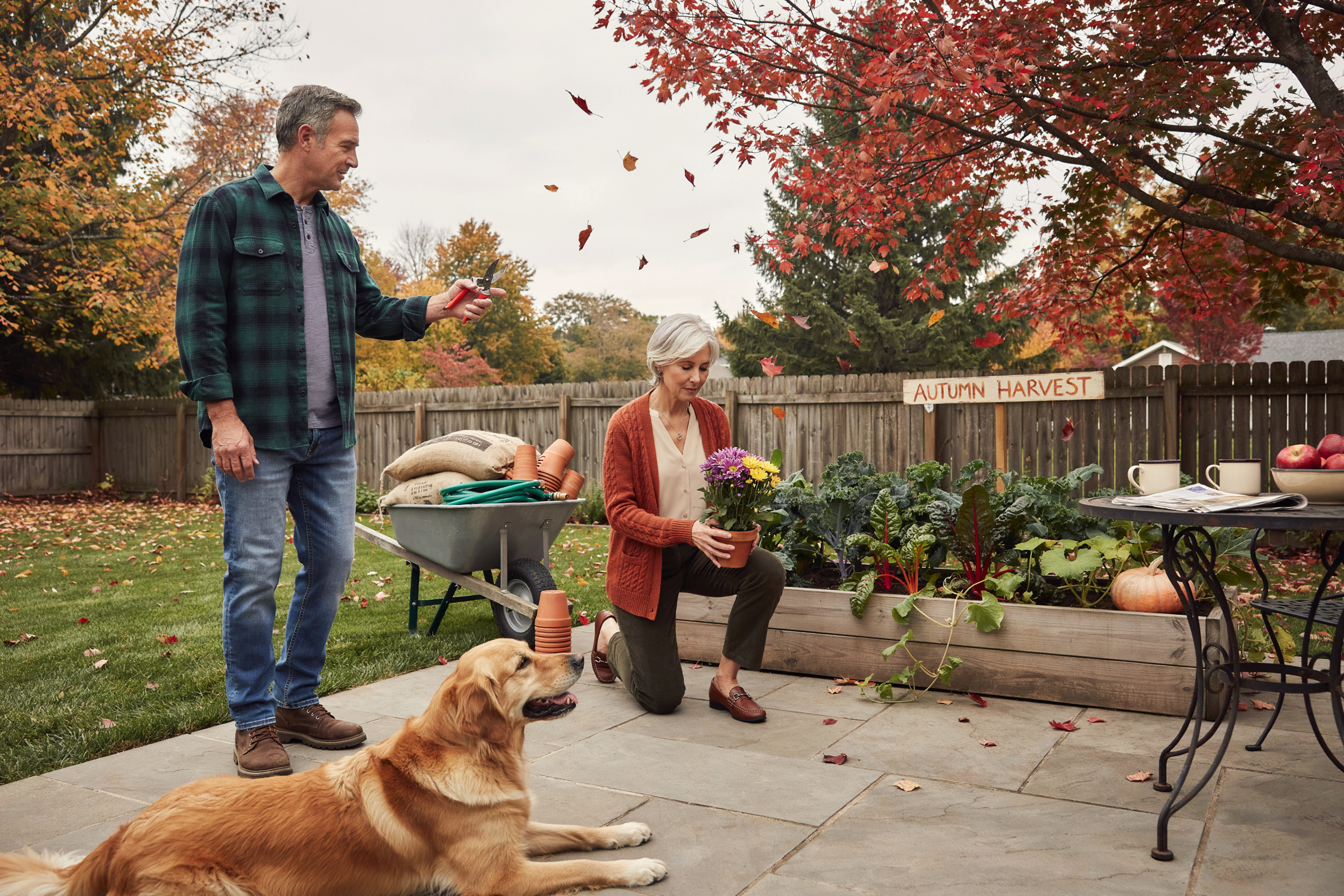
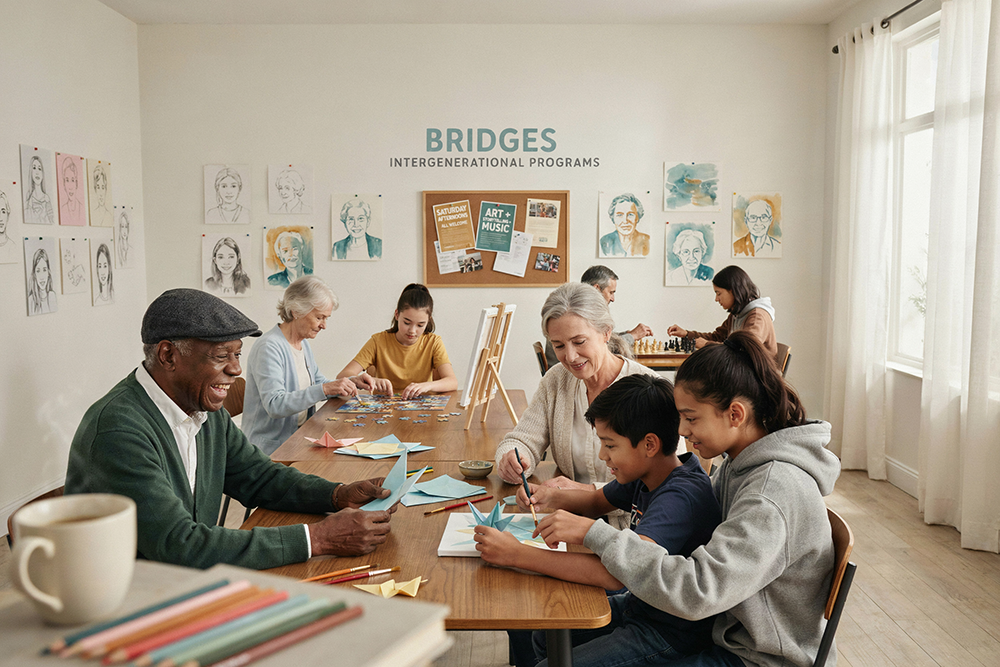
Active members may gravitate toward exercise classes, walking groups, pickleball, dancing, or group outings. Creative participants may enjoy painting, crafts, music, writing, or photography. Others may prefer lectures, technology workshops, book discussions, bingo, puzzles, or simply sharing lunch with friends.
SeniorCenters.com offers additional inspiration in its guide to 100+ unique elderly activities, showing just how broad senior programming can become when centers think beyond a limited activity schedule.
Different Activities Create Different Positive Experiences
Activity Type
What Makes It Enjoyable
Social Opportunity
Senior Center Planning Tip
Card and Game Groups
Friendly competition and familiar routines
Easy conversation around the table
Offer beginner tables so newcomers feel welcome
Exercise Classes
Movement, music, and measurable progress
Participants encourage one another
Provide different ability levels and modifications
Arts and Crafts
Creativity and a finished project to take home
People naturally talk while working
Choose projects that can be completed at different speeds
Community Meals
Good food and a relaxed atmosphere
Shared tables encourage conversation
Create welcoming seating for people attending alone
Educational Programs
Learning something useful or interesting
Discussion continues after the presentation
Leave time for questions and informal conversation
Group Outings
A change of scenery and a sense of adventure
Shared experiences can strengthen friendships
Explain transportation, walking demands, and accessibility in advance
The People Often Matter More Than the Program
A person may first visit a senior center because of an activity, but friendships are often what bring them back. Seeing familiar faces can transform a building into a community. Someone eventually knows where you like to sit, asks how your weekend went, or notices when you miss a regular class.
Those connections do not always form immediately. They often develop through repeated small encounters. Two people may sit beside each other during lunch several times before exchanging phone numbers. Members of an exercise class may gradually begin meeting for coffee afterward. A group that starts by playing cards together may eventually celebrate birthdays and take outings together.
This is one reason recurring activities can be so important. Familiarity lowers the pressure of meeting people and gives friendships time to develop naturally.
Fun Can Have a Purpose Too
Many senior center programs are enjoyable while also supporting practical goals. Exercise classes encourage movement. Games challenge memory and attention. Art programs provide creative expression. Technology workshops help people learn useful skills. Volunteer programs create opportunities to contribute to the community.
The fact that an activity has benefits does not mean it needs to feel like work. In successful programs, the enjoyment often comes first. People attend because they like the instructor, enjoy the group, or want to participate in the activity. The benefits become part of the experience rather than the only reason for attending.
That balance can make senior centers different from settings that focus primarily on appointments or services. A center can be a place where an older adult goes simply because something enjoyable is happening.
Preparing for Your First Visit
Trying a senior center for the first time may involve a little uncertainty. You may wonder whether everyone already knows one another, whether you will enjoy the activities, or where you are supposed to sit. Preparing beforehand can make the first visit easier.
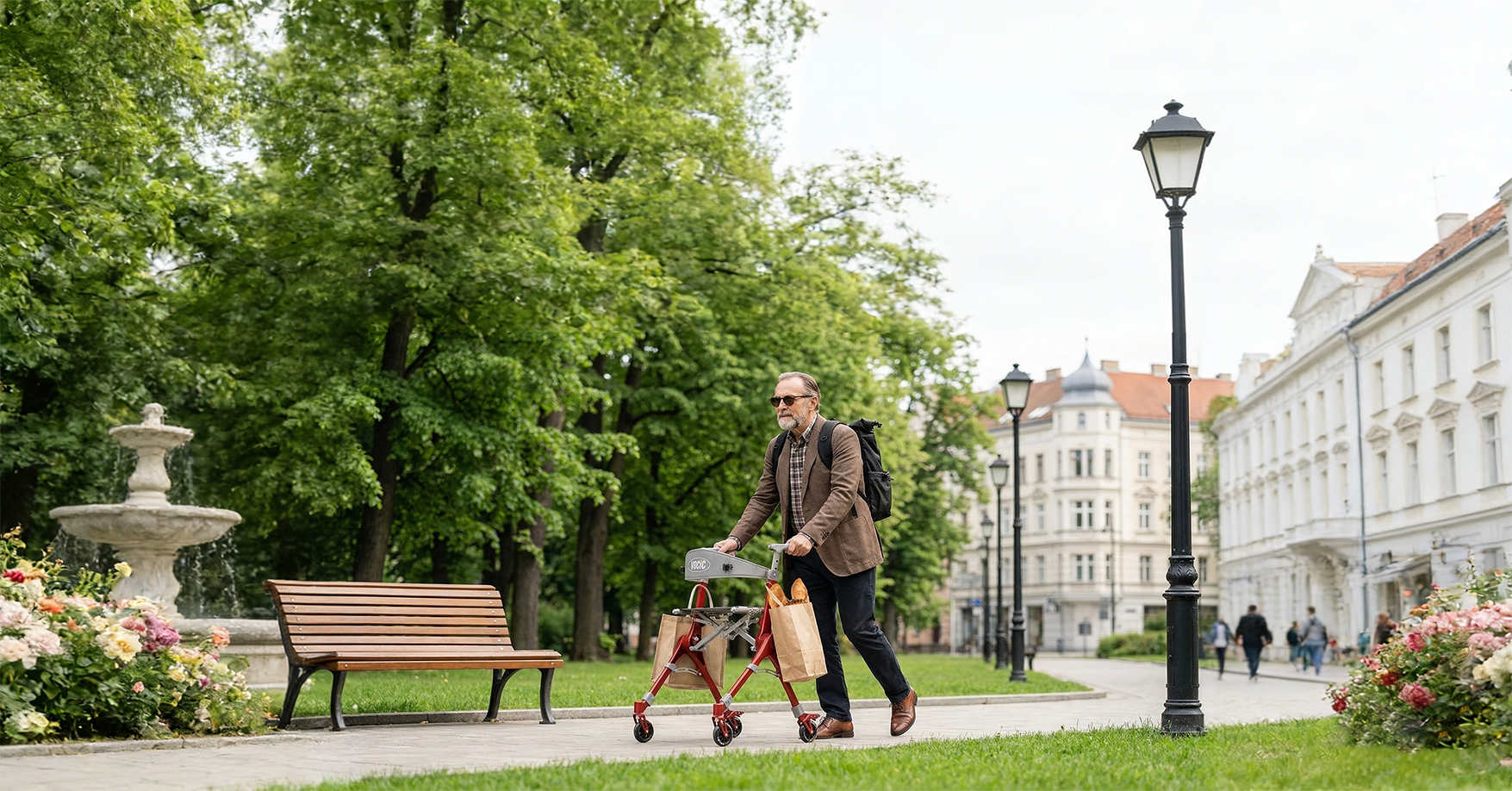
Call the center and ask which activity is especially welcoming to newcomers. Find out whether registration is required, whether there is a membership fee, and what time you should arrive. If mobility is a concern, ask about parking, accessible entrances, elevators, seating, and transportation.
You can also bring a friend or family member for the first visit if the center allows guests. Having someone familiar beside you may make introductions feel easier. After you become comfortable, attending alone may feel completely different.
Give a New Activity More Than One Chance
Not every positive experience happens on the first day. A class may initially feel unfamiliar. A game might take time to learn. A conversation may be short because everyone is still getting comfortable.
If the activity itself interests you, consider attending two or three times before deciding whether it is a good fit. Returning allows you to recognize faces and understand the routine. What felt awkward during the first visit may feel familiar by the third.
At the same time, there is no reason to force yourself to continue an activity you genuinely do not enjoy. Try something else. One of the advantages of a senior center is the opportunity to explore different interests without needing every program to become a permanent commitment.
Excitement Does Not Have to Mean Overdoing It
A busy activity calendar can be exciting, particularly when several programs sound appealing. However, a positive senior center experience should fit comfortably into a person’s energy level and routine.
It may be tempting to sign up for exercise, lunch, a workshop, and an outing all in one day. For some people that sounds wonderful. For others, it may turn an enjoyable experience into an exhausting one.
Choose activities at a comfortable pace. Leave time for transportation, meals, medications, appointments, and rest. Fun is more sustainable when there is enough energy left to look forward to returning.
Physical Activity Can Become a Social Event
Exercise does not have to mean working out alone. At senior centers, movement can be a group experience filled with conversation and encouragement. Walking clubs, chair exercise, stretching, dancing, and recreational sports can all create opportunities for participants to know one another.
The social side can also make consistency easier. A person may be more motivated to attend when classmates expect to see them. Friendly encouragement can turn an exercise session into something participants anticipate rather than something they feel obligated to complete.
For a closer look at active programming, SeniorCenters.com explores different options in Senior Activities’ Models for 2026, including walking, pickleball, water aerobics, tai chi, and other approaches to keeping seniors moving and connected.
Special Events Add an Element of Surprise
Regular programs provide consistency, while special events create excitement. A themed lunch, talent show, holiday celebration, summer social, dance, guest speaker, or local performance can make the center feel different for a day.
Senior centers can use these events to invite members who do not normally attend. Someone who is not interested in weekly games may happily come for a concert or special meal. That visit may introduce them to other programs they did not know were available.
Special events can also create traditions. An annual picnic, holiday party, talent show, or appreciation luncheon may become something members look forward to months in advance.
Outings Bring the Community Into the Experience
Some of the most memorable senior center experiences happen outside the building. Group trips to museums, theaters, restaurants, botanical gardens, festivals, historical sites, or scenic destinations add adventure to the activity calendar.
The transportation itself can become part of the fun. Conversations on the bus, shared lunches, and stories about what happened during the outing help members get to know one another in ways that may not happen during a regular class.
Good preparation is especially important for outings. Participants should know how much walking is involved, what time the group will leave and return, whether meals are included, and what accessibility features are available. Clear information allows people to decide whether an outing fits their needs.
Senior Centers Can Make New Members Feel Included
A positive experience begins at the door. Staff and volunteers can make a major difference simply by greeting a new participant, explaining where things are located, and introducing them to one or two members.
Newcomers should not have to enter a crowded room and figure everything out alone. A volunteer ambassador or welcome partner can help them find a seat, understand the activity, and feel like they belong.
Senior centers can also avoid allowing every program to become a collection of closed social circles. Rotating tables during games, mixing seating occasionally, and encouraging members to welcome new participants can keep the atmosphere friendly and open.
Let Members Help Shape the Calendar
Senior center programs are often most successful when members have a voice in them. Staff can ask participants which activities they enjoy, what they would like to try, and what prevents them from attending certain programs.
A suggestion box, short survey, informal coffee conversation, or quarterly planning meeting can reveal ideas staff members may not have considered. Perhaps members want an evening program, a photography club, beginner dance lessons, or a trip to a nearby attraction.
When members see their ideas become real programs, they gain a sense of ownership. The senior center becomes something created with the community rather than simply for the community.
Celebrate Participation, Not Just Achievement
Positive experiences do not need to revolve around winning or being the best. Senior centers can celebrate participation itself. Completing a first art project, attending an exercise class for a month, volunteering at an event, or simply trying something new can deserve recognition.
Small acknowledgments make people feel noticed. A birthday board, volunteer appreciation event, class photo, certificate, or simple round of applause can strengthen the sense that each member contributes to the center.
The goal is to create an atmosphere where people feel comfortable participating at their own level. Fun disappears quickly when activities become unnecessarily competitive or intimidating.
Resources for Creating More Positive Senior Center Experiences
Senior center activity calendars: Review monthly schedules and choose one or two programs that genuinely sound interesting rather than trying to attend everything at once.
Local recreation departments: Look for programs that senior centers can partner with, including fitness classes, cultural events, park activities, and community excursions.
Libraries and community colleges: Explore speakers, book groups, technology instruction, art programs, and lifelong-learning opportunities that can complement senior center programming.
Local arts organizations: Musicians, theater groups, museums, and artists may be able to participate in demonstrations, performances, or special events.
Healthcare and wellness organizations: Community professionals may offer educational presentations, screenings, balance programs, or wellness workshops appropriate for older adults.
Members themselves: Seniors are often the center’s greatest resource. Their hobbies, careers, experiences, cultures, and talents can inspire classes, clubs, demonstrations, and volunteer programs.
Tips for Senior Centers Planning Positive Experiences
Variety matters. A calendar made entirely of one type of activity will naturally appeal to only part of the community. Combining social, physical, creative, educational, recreational, and service-oriented programs gives more people a reason to participate.
Accessibility should be considered from the beginning rather than added later. Seating, room layout, sound levels, lighting, transportation, walking distances, and the length of activities can all influence whether a participant enjoys an event.
Communication should also be clear. Flyers and calendars should explain what an activity is, who it is designed for, whether registration is required, how much it costs, and what participants should bring.
Finally, senior centers should leave room for simple social time. Not every minute needs to be programmed. Sometimes a cup of coffee and a table where people can talk creates as much value as a scheduled class.
A Positive Experience Can Begin With One Visit
People sometimes imagine senior centers as places they will use “someday.” Yet many centers offer activities for active older adults who simply want to meet people, learn, exercise, travel locally, volunteer, or add something enjoyable to their week.
The easiest way to understand a senior center is often to visit one. Look at the calendar, tour the building, meet the staff, and try an activity. If the first program is not the right fit, choose another.
You do not need to know everyone. You do not need to join every club. You only need one activity, one conversation, or one enjoyable experience to begin discovering what the center can offer.
Conclusion: Fun, Friendship, and Something to Look Forward To
Senior centers can create positive experiences because they bring together many of the things that make everyday life enjoyable: friendship, movement, learning, creativity, laughter, purpose, and anticipation.
The most successful centers do more than schedule activities. They create environments where people feel comfortable participating, trying something new, and returning the following week. Thoughtful preparation makes programs accessible, while variety keeps the experience interesting.
For seniors, the result can be something wonderfully simple: a reason to get ready in the morning, a familiar face waiting at the door, an activity worth talking about afterward, and another enjoyable day already marked on the calendar.
Browse thousands of Senior Centers from around America. Senior Centers are an integral part of society and are the center of life for many seniors and aging adults.
Find a Senior Center which fits your needs using our search feature and keep up to date on all the latest news.
Advertisers are not endorsed by SeniorCenters.com or any senior center listed. This site is not endorsed by or affiliated with any senior center or organization listed.
To provide the best experiences, we use technologies like cookies to store and/or access device information. Consenting to these technologies will allow us to process data such as browsing behaviour or unique IDs on this site. Not consenting or withdrawing consent, may adversely affect certain features and functions.
Functional
Always active
The technical storage or access is strictly necessary for the legitimate purpose of enabling the use of a specific service explicitly requested by the subscriber or user, or for the sole purpose of carrying out the transmission of a communication over an electronic communications network.
Preferences
The technical storage or access is necessary for the legitimate purpose of storing preferences that are not requested by the subscriber or user.
Statistics
The technical storage or access that is used exclusively for statistical purposes.The technical storage or access that is used exclusively for anonymous statistical purposes. Without a subpoena, voluntary compliance on the part of your Internet Service Provider, or additional records from a third party, information stored or retrieved for this purpose alone cannot usually be used to identify you.
Marketing
The technical storage or access is required to create user profiles to send advertising, or to track the user on a website or across several websites for similar marketing purposes.