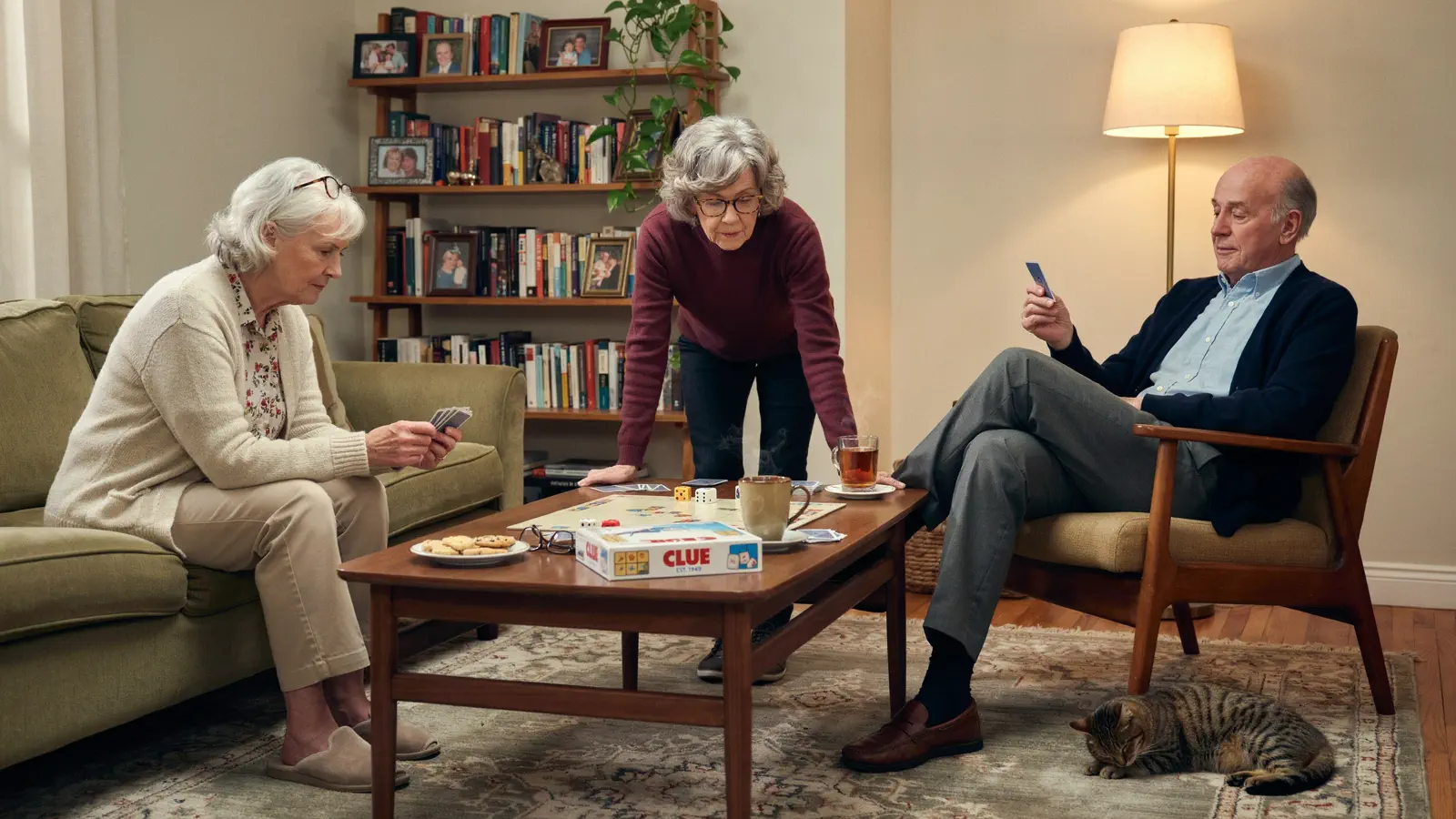
Sometimes the best plans begin with a simple question: “What are you doing this afternoon?” A cup of coffee can turn into a card game, a short walk can become a weekly tradition, and a senior center class can introduce people who eventually start planning dinners and outings together. Hanging out with other seniors does not have to be complicated. Often, the most enjoyable experiences are the ones that give people a comfortable place to talk, laugh, try something new, and simply enjoy being around others.
For older adults, social activities can add excitement and variety to everyday life. Retirement and changing family schedules may create more free time, but that time becomes much more enjoyable when it includes friends and community. Senior centers can make those connections easier by providing regular activities, welcoming gathering spaces, transportation information, classes, meals, games, and outings designed with older adults in mind.
The key is finding activities that match your interests and energy level. You do not have to attend everything or become the most outgoing person in the room. One enjoyable activity and a few familiar faces can be enough to make a week feel completely different.
Why Spending Time with Other Seniors Can Be So Enjoyable
People of similar ages often have experiences that make conversation easy. You may remember the same music, television programs, local businesses, historical events, or changes in the community. Those shared reference points can turn an ordinary conversation into an afternoon of stories and laughter.
At the same time, seniors are far from identical. One person may have spent a career teaching school while another worked in construction, raised a large family, traveled extensively, served in the military, owned a business, or moved across the country. Getting together provides an opportunity to hear stories and perspectives you might never encounter otherwise.
Social time also gives people something to anticipate. Knowing that Wednesday is lunch with the group or Friday is card day can add structure to the week. A special event, trip, or celebration can create excitement days in advance.
Activities That Make It Easy to Hang Out
The best social activities give people something to do without making conversation feel forced. When everyone is concentrating on a game, meal, class, or outing, conversation usually happens naturally.
Activity
Why It Works Socially
Preparation Needed
Senior Center Tip
Card or Board Games
Creates friendly competition and easy conversation
Learn basic rules and choose comfortable seating
Offer beginner tables so newcomers can join
Walking Groups
People can talk naturally while moving
Comfortable shoes, water, and an appropriate route
Create different pace groups
Community Lunches
Meals provide relaxed time to talk
Check menu, cost, and registration requirements
Create welcoming tables for people attending alone
Arts and Crafts
A shared project gives everyone something to discuss
Usually minimal when supplies are provided
Choose projects suitable for different skill levels
Trivia or Bingo
Encourages laughter and group participation
Little preparation required
Mix tables occasionally to help members meet others
Day Trips
Shared experiences often strengthen friendships
Transportation, timing, tickets, and accessibility
Clearly explain walking requirements beforehand
Music and Dancing
Creates energy and brings back memories
Comfortable clothing and appropriate footwear
Include seated participation options
Start with Something You Actually Like
If you want to meet other seniors, begin with an activity you would enjoy even if you did not know anyone there. That makes the first visit much easier. Someone who enjoys books may feel more comfortable at a discussion group than a dance. A person who likes competition may prefer cards, billiards, trivia, or pickleball.
Shared interests give people an immediate conversation starter. Instead of wondering what to say, you can talk about the activity itself. You might ask someone how long they have been attending, whether they have played the game before, or what other programs they recommend.
If you are looking for additional places and activities where older adults naturally connect, Best Places for Seniors to Meet Seniors explores senior centers, clubs, volunteering, fitness programs, libraries, classes, travel groups, and other social settings.
Planning a Casual Get-Together
Not every social activity needs to be officially organized. Once you know a few people, suggest something simple. Meeting for coffee, breakfast, lunch, dessert, or an afternoon walk requires very little planning and gives everyone time to talk.
Keep the first gathering manageable. A group of three or four people may be easier than organizing a large event. Choose a familiar location with comfortable seating, accessible restrooms, and easy parking.
Agree on a clear meeting time and location. If several people are involved, one person can send a reminder the day before. Knowing exactly where everyone is meeting prevents unnecessary confusion.
If the gathering goes well, make another plan before everyone leaves. It is much easier to continue a new friendship when someone says, “How about the same time next Thursday?” rather than leaving the next meeting undefined.
Senior Centers Take Much of the Planning Out of It
One advantage of a senior center is that many of the difficult details have already been handled. The room is reserved, the activity has a start time, chairs are available, and someone usually knows how the program works. All you need to do is show up.
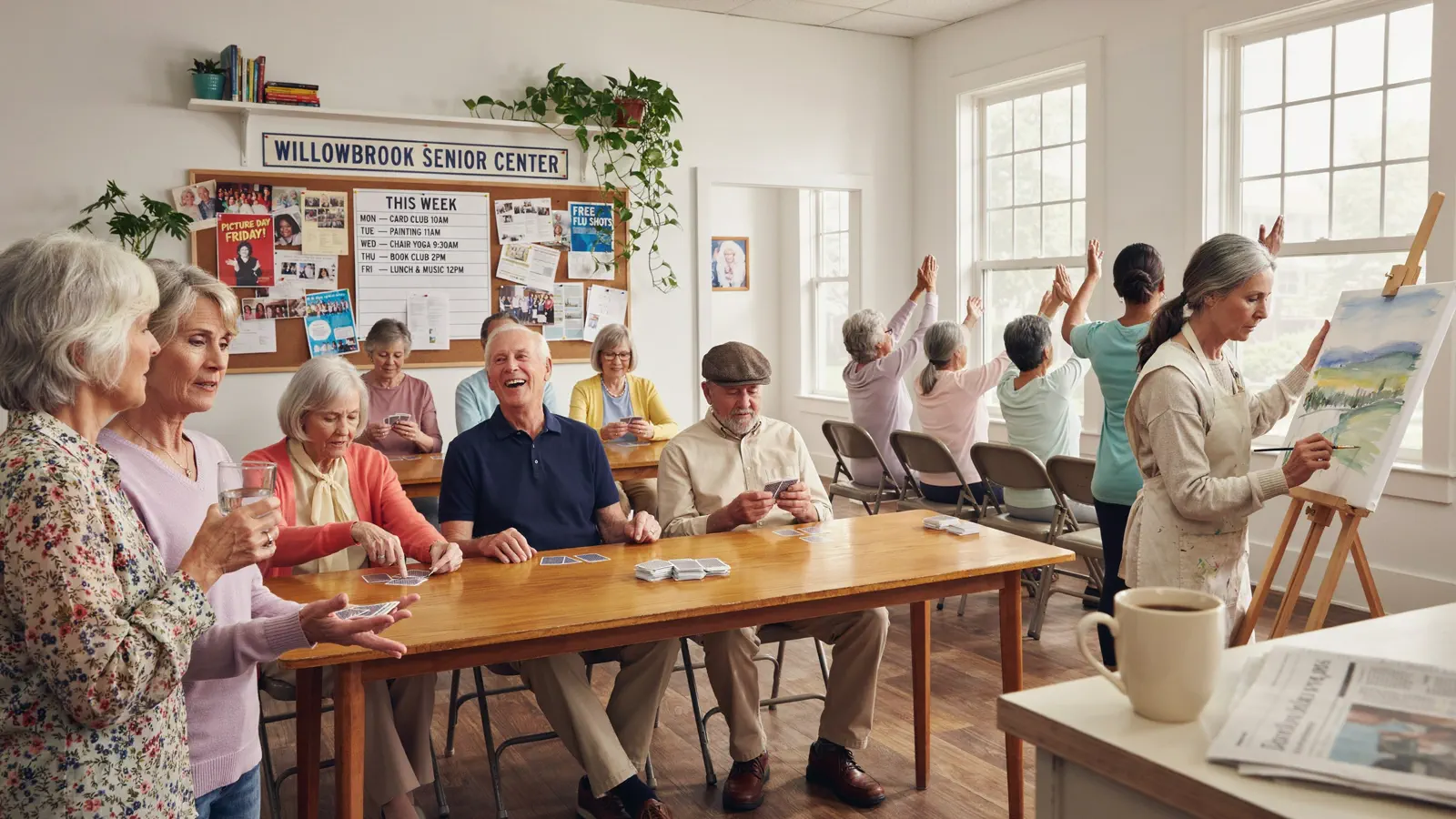
Senior centers can offer everything from casual drop-in activities to structured classes. Some have billiards, bingo, fitness rooms, technology workshops, painting, music, discussion groups, dances, meals, lectures, and organized trips.
This variety makes senior centers useful even for people who do not consider themselves especially social. You can attend because you want to learn something or participate in an activity. Friendships may develop as a natural result.
Preparing for Your First Senior Center Activity
If you have never visited the center before, call ahead. Ask whether membership or registration is required, what the activity costs, where to park, and whether beginners are welcome. Knowing these details can remove much of the uncertainty.
Arriving ten or fifteen minutes early can help. Staff members are less likely to be busy with the program, and you have time to find the room and choose a seat before everything begins.
Tell the staff member that you are new. A good center may introduce you to a regular participant or explain where newcomers usually sit. That single introduction can make the entire experience more comfortable.
If attending alone feels intimidating, invite someone you already know for the first visit. Once you understand the routine and recognize a few people, returning by yourself may be much easier.
Do Not Judge Everything by the First Visit
Sometimes a first visit feels awkward simply because everything is unfamiliar. You may not know anyone’s name, understand the routine, or know where people usually sit.
If you liked the activity itself, try returning another time. By the second visit, someone may recognize you. By the third, you may know several names. Repeated contact is often what transforms a room full of strangers into a comfortable social group.
Of course, not every activity will be right for everyone. If you genuinely do not enjoy one program, try another. A quiet book group and a lively bingo game can attract very different crowds even when they happen in the same building.
Enjoy the Excitement Without Filling Every Day
Once you discover an active senior center or group of friends, it can be tempting to sign up for everything. There might be exercise on Monday, cards Tuesday, lunch Wednesday, an educational program Thursday, and a trip Friday.
For some seniors, a busy schedule is exactly what they want. Others may enjoy activities more when there is time between them. Choose a pace that keeps socializing fun instead of making it feel like another obligation.
It is fine to say no to an invitation. A good social life does not depend on attending every activity. Select the things you genuinely enjoy and leave enough time for rest, errands, appointments, family, and quiet time at home.
Try a Day Trip Together
Once a group gets comfortable together, a day trip can add adventure. Museums, gardens, restaurants, scenic drives, theaters, historic towns, festivals, and local attractions can turn an ordinary weekday into something memorable.
Trips work particularly well socially because everyone shares the same experience. The group has something to discuss during the ride home and often continues talking about the outing long afterward.
Transportation and accessibility should be considered before committing. Find out how much walking is required, whether seating is available, when meals are scheduled, and what time the group expects to return.
For more ideas on organizing comfortable outings, Day Trips With Friends covers destination ideas, pacing, accessibility, transportation, and ways senior centers can make group excursions easier.
Food Has a Way of Bringing People Together
Some of the easiest social activities involve food. A senior center lunch, breakfast club, coffee hour, potluck, or restaurant outing gives people time to sit together without needing a complicated agenda.
Senior centers can make meals especially welcoming by having shared tables for anyone who arrives alone. Staff or volunteers can introduce newcomers rather than allowing them to search for a seat while established groups sit together.
Members can also create informal traditions. Maybe a group goes for coffee after exercise class or chooses one restaurant each month for lunch. Those small traditions can become important parts of friendship.
Games Make Conversation Easier
Games are a classic senior center activity for good reason. They offer structure, friendly competition, and plenty of natural conversation.
Card games, dominoes, bingo, mahjong, chess, checkers, pool, trivia, and board games can accommodate different interests and skill levels. Some people come primarily for the game, while others discover that the conversations between rounds are their favorite part.
Centers can make games more welcoming by clearly identifying beginner sessions. Someone may avoid joining a table because they assume everyone else has been playing for decades. A patient introduction can turn that person into a regular participant.
Try Learning Something Together
Classes can be highly social because everyone begins with a shared purpose. Technology workshops, painting classes, cooking demonstrations, gardening programs, history discussions, language groups, and financial education all provide reasons to interact.
Learning something new also gives participants a reason to help each other. Someone may understand a phone setting that another person finds confusing. Another participant may know a painting technique or gardening trick.
Those small exchanges build familiarity. Before long, participants may begin talking before class, sitting together at lunch, or making plans outside the center.
Volunteer with Other Seniors
Some people feel most comfortable socializing when they have a job to do. Volunteering can be an excellent solution because it combines purpose with companionship.
Senior center members might help prepare an event, greet newcomers, organize supplies, assist with meals, maintain a garden, teach a hobby, or make calls to other members.
Community organizations may also need volunteers at libraries, museums, food programs, hospitals, schools, animal organizations, and local events. Working side by side can create friendships without the pressure of attending something solely to socialize.
Turn Familiar Faces into Friends
There is a difference between recognizing someone and becoming friends. Often, all that is required is one person taking the next step.
If you regularly talk with someone after class, ask whether they would like to get coffee. If several people sit together at lunch, suggest another activity you could attend as a group. These invitations do not have to feel formal.
Friendship develops through repetition. Seeing the same people each week, remembering their names, asking about something they mentioned previously, and sharing small parts of your own life gradually creates connection.
Tips for Senior Centers Creating More Social Opportunities
Senior centers can make socializing easier by designing programs where newcomers are not left on the sidelines. Greeting people at the door and making introductions can be as important as the activity itself.
A buddy program can pair a newcomer with a regular member for the first few visits. This gives the new participant someone to sit with and someone to ask basic questions about the center.
Centers can also create informal gathering time before and after scheduled programs. Coffee, comfortable seating, and fifteen minutes without a structured agenda can give members the opportunity to continue conversations.
Rotating seating occasionally can prevent groups from becoming closed circles. This is particularly helpful at lunches, trivia games, and other activities where members naturally sit with the same people every week.
Finally, staff should ask members what they want. A short survey may reveal interest in an evening dinner group, men’s coffee club, women’s social group, movie night, walking club, travel group, or another activity that does not currently exist.
Resources for Seniors Who Want More Social Activities
Several community resources can help older adults find enjoyable ways to spend time with other seniors:
Local senior centers: Ask for activity calendars, meal schedules, trips, clubs, classes, dances, games, volunteer programs, and transportation information.
Libraries: Look for book clubs, lectures, computer classes, craft programs, movie screenings, and community discussion groups.
Recreation departments: Explore senior fitness programs, walking groups, swimming, sports, local excursions, and seasonal events.
Community colleges: Ask about lifelong-learning courses, art programs, lectures, music, and other classes open to older adults.
Volunteer organizations: Find recurring opportunities where you can work with people who share similar interests.
Faith communities: Many offer meals, social gatherings, service projects, discussion groups, and recreational activities.
Friends and neighbors: Sometimes the easiest activity is simply inviting someone for coffee, lunch, a walk, or a local event.
Make Room for Different Personalities
Not every senior wants a large social circle. Some people are happiest with two or three close friends. Others enjoy entering a busy room where they know everyone.
There is no correct number of activities or friendships. The goal is to find enough social contact to make life enjoyable without forcing yourself into situations that do not fit your personality.
A quiet person can still enjoy a senior center. Small classes, walking groups, volunteer roles, and regular lunch tables may provide connection without the intensity of a large social event.
Sometimes the Best Activity Is Simply Hanging Out
Senior centers naturally focus on programs, but not every valuable moment needs an agenda. Sometimes people simply want somewhere comfortable to sit and talk.
A coffee area, patio, lounge, lobby seating arrangement, or open game room can create these opportunities. Members may arrive early or remain after an activity because they enjoy spending time together.
Those informal moments are often where friendships become strongest. A class may introduce two people, but the conversation afterward is what helps them actually get to know each other.
Conclusion: Find Your People and Enjoy the Time Together
Hanging out with other seniors can be as simple or adventurous as you want it to be. It might mean coffee with two friends, an afternoon card game, a weekly walking group, a packed dance floor, a museum trip, or a table full of people laughing over lunch.
The most important part is showing up and giving connections time to develop. Senior centers make that easier by providing activities, familiar spaces, organized outings, and repeated opportunities to see the same people.
You do not need to plan the perfect social life. Start with one activity that sounds enjoyable. Learn a name. Have a conversation. Come back next week. Before long, hanging out with other seniors may stop feeling like an activity on the calendar and start feeling like spending time with friends.
Browse thousands of Senior Centers from around America. Senior Centers are an integral part of society and are the center of life for many seniors and aging adults.
Find a Senior Center which fits your needs using our search feature and keep up to date on all the latest news.
Advertisers are not endorsed by SeniorCenters.com or any senior center listed. This site is not endorsed by or affiliated with any senior center or organization listed.
To provide the best experiences, we use technologies like cookies to store and/or access device information. Consenting to these technologies will allow us to process data such as browsing behaviour or unique IDs on this site. Not consenting or withdrawing consent, may adversely affect certain features and functions.
Functional
Always active
The technical storage or access is strictly necessary for the legitimate purpose of enabling the use of a specific service explicitly requested by the subscriber or user, or for the sole purpose of carrying out the transmission of a communication over an electronic communications network.
Preferences
The technical storage or access is necessary for the legitimate purpose of storing preferences that are not requested by the subscriber or user.
Statistics
The technical storage or access that is used exclusively for statistical purposes.The technical storage or access that is used exclusively for anonymous statistical purposes. Without a subpoena, voluntary compliance on the part of your Internet Service Provider, or additional records from a third party, information stored or retrieved for this purpose alone cannot usually be used to identify you.
Marketing
The technical storage or access is required to create user profiles to send advertising, or to track the user on a website or across several websites for similar marketing purposes.