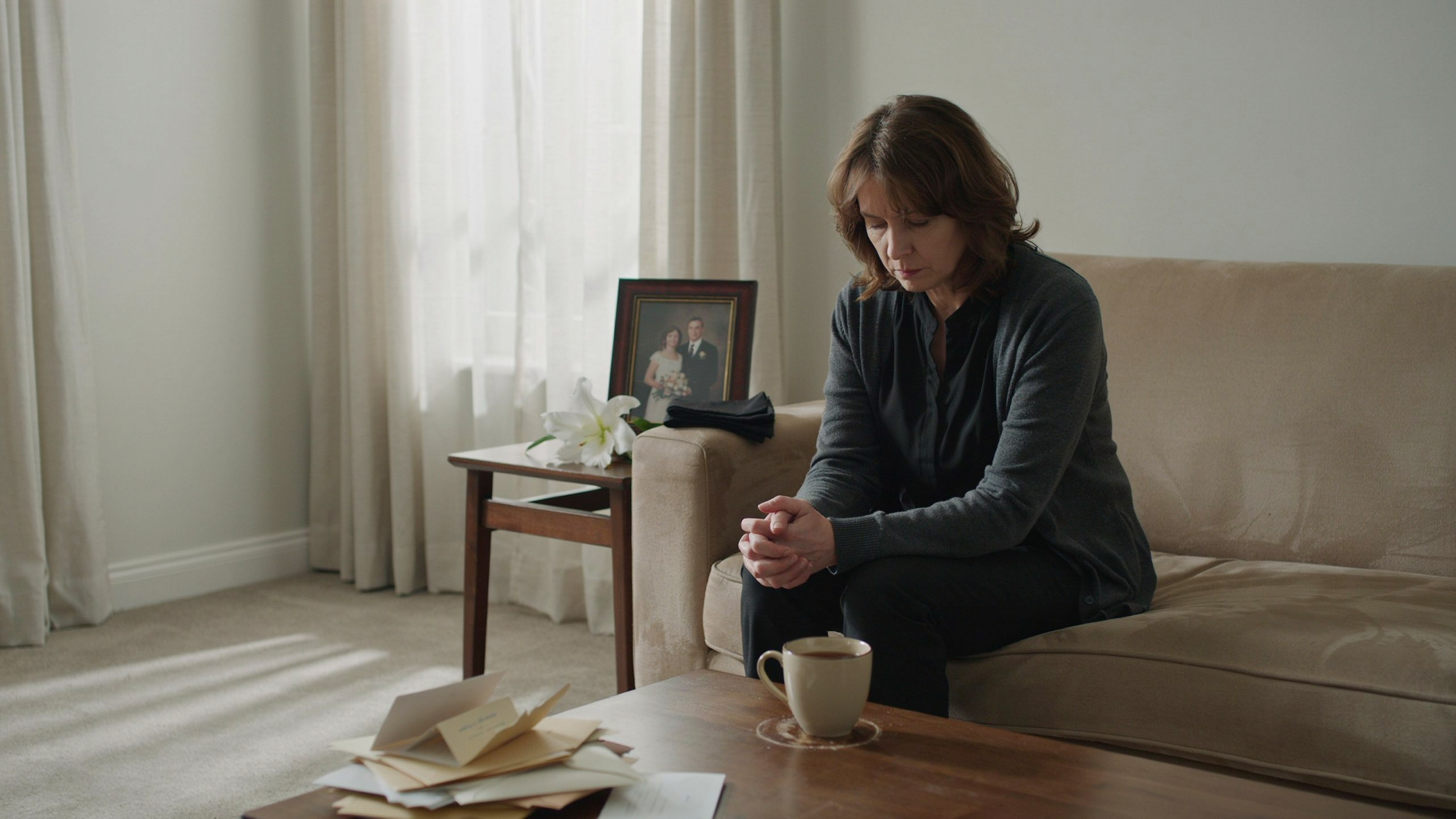
When a spouse passes away, the world can feel strangely quiet. The empty chair, the unfinished conversation, and the familiar routines suddenly carry a different weight. At the same time, decisions may need to be made, people may need to be contacted, and paperwork may begin arriving before there has been time to understand what happened.
There is no single correct way to grieve, and there is no perfect schedule for adjusting to life after loss. The first goal is not to “move on.” It is to move carefully through the immediate responsibilities while allowing room for sorrow, rest, memories, and support. For seniors, trusted relatives, friends, senior centers, faith communities, grief groups, and professional advisers can all help make the days ahead feel less overwhelming.
Begin With the Next Necessary Step
After a spouse dies, it can be difficult to think beyond the next hour. That is understandable. Instead of trying to solve everything at once, focus on the next necessary step. Depending on where the death occurred, a hospital, hospice provider, nursing facility, physician, or emergency responder may guide the first arrangements.
Contact one or two trusted people who can remain with you, make calls, take notes, or help answer the door. You do not need to tell everyone personally on the first day. A close relative or friend can notify extended family and help prevent you from repeating painful details.
If funeral or memorial preferences were discussed in advance, locate those instructions when you feel able. A funeral home or cremation provider can explain immediate options and help coordinate many of the practical arrangements. Ask questions, request written information, and avoid feeling pressured to make choices that do not reflect your wishes or budget.
A Gentle Timeline for the First Weeks
Grief does not follow a calendar, but practical responsibilities are often easier to manage when they are divided into stages. The following table is a general organizing guide rather than a strict schedule. Personal circumstances, religious customs, family needs, and local requirements may change the order.
Time Period
Main Focus
Possible Tasks
What Can Usually Wait
First 24–48 Hours
Immediate support and arrangements
Contact close family, speak with the appropriate care provider, choose a funeral home or cremation provider, secure the home and pets
Major financial decisions, sorting possessions, changing long-term housing
First Week
Services, documents, and daily needs
Plan the service, ask about certified death certificates, gather important records, arrange meals and transportation
Giving away belongings, selling property, making large purchases
Following Weeks
Notifications and account organization
Review bills, insurance, banking, benefits, subscriptions, and professional contacts with trusted assistance
Decisions that are not urgent or that feel emotionally overwhelming
Following Months
Adjustment, support, and future planning
Build new routines, attend grief support, review housing and finances, reconnect socially, schedule health appointments
Anything that can safely wait until information and emotions feel clearer
Let Someone Help With the Paperwork
Paperwork can feel especially difficult during grief. Create one folder or box for documents, bills, notes, identification, insurance information, account statements, and copies of correspondence. Keeping everything in one place can reduce the fear of losing something important.
Ask the funeral home or appropriate local provider how certified copies of the death certificate are obtained and how many may be useful. Different organizations may have different requirements, so avoid sending an original document without confirming what is needed.
Make a simple list of organizations that may need to be contacted. These can include financial institutions, insurance providers, pension administrators, utility companies, property managers, subscription services, and government benefit offices. Some notifications may be handled by a funeral provider, while others may require action from the surviving spouse or estate representative.
Do not share account information, personal identification numbers, or sensitive documents with unexpected callers. Grieving families can be vulnerable to scams. When someone contacts you about money or an account, pause and independently verify the organization before responding.
Avoid Rushing Major Decisions
After a spouse passes, it may feel necessary to change everything immediately. The home may seem too quiet, finances may feel uncertain, or well-meaning relatives may offer strong opinions. Unless there is an urgent safety or financial reason, consider giving yourself time before selling a home, moving, distributing valuable possessions, or making major investments.
A trusted attorney, accountant, financial adviser, insurance representative, or estate professional can help explain what needs immediate attention and what can wait. Bring a relative or friend to important meetings when possible. Another person can take notes and help remember details later.
Be cautious about making financial commitments while exhausted or emotionally overwhelmed. It is acceptable to say, “I am not ready to decide today. Please give me the information in writing.”
Make Room for Grief
Grief can appear as sadness, anger, relief, guilt, confusion, exhaustion, numbness, or a mixture of many feelings. Some days may be manageable, while an ordinary sound, song, meal, or photograph can suddenly bring intense emotion. These changes do not mean you are grieving incorrectly.
It is also common for concentration and memory to feel different after a major loss. Writing down appointments, questions, names, and daily tasks can help. Keep expectations modest and allow extra time for decisions.
Grief is not something that must be hidden to protect other people. Speaking openly with trusted friends, relatives, spiritual leaders, counselors, or support-group members can make the experience feel less lonely. You can decide how much to share and with whom.
Handling the Loneliness at Home
The quiet after a spouse passes can be one of the hardest parts of the day. Long-established routines—morning coffee, evening television, shared meals, or bedtime conversations—may suddenly disappear. Rebuilding daily structure can provide stability without erasing the importance of the person who died.
Begin with small anchors. Wake up at a regular time, open the curtains, eat something nourishing, take prescribed medications, and step outside or sit near natural light when conditions allow. A short call with a friend or a planned activity can give the day a shape.
Eating alone may feel especially difficult. Consider arranging one shared meal each week with family, neighbors, or members of a senior center. On other days, playing music, listening to the radio, or joining a friend by phone during dinner may make the room feel less empty.
Activity cannot remove grief, but it can provide moments of rest from its intensity. Gentle movement, familiar hobbies, creative projects, and time with other people can support a gradual return to daily life.
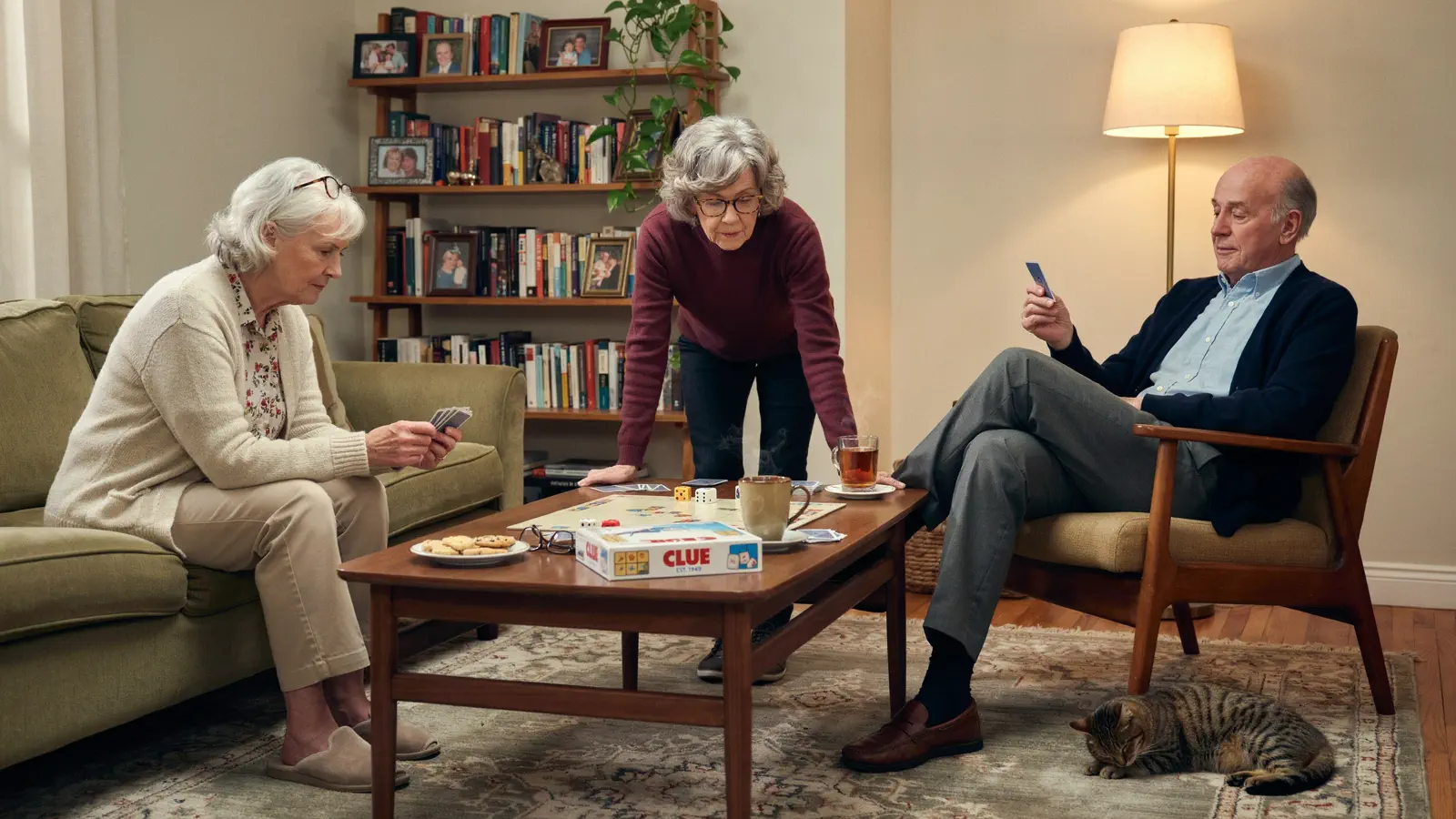
A walking group can offer exercise without requiring constant conversation. A card game can provide a few hours of familiar concentration. A craft class can give the hands something soothing to do. Music, gardening, reading groups, and volunteer work can create a sense of rhythm and purpose.
Some seniors find comfort in memorial activities. You might create a photo album, write down shared stories, prepare a favorite meal, plant something in your spouse’s memory, or donate time to a cause that mattered to both of you. These actions allow love and memory to remain part of the present.
There may also be days when rest is the most appropriate activity. Healing does not require staying busy every moment. The goal is to find a balance between solitude and connection.
How Senior Centers Can Help
A senior center can become an important point of stability after the loss of a spouse. It offers a place to go, people who recognize your name, and activities that do not require you to explain your grief every time you arrive.
Many centers provide shared meals, exercise classes, games, educational programs, transportation information, volunteer opportunities, and referrals to community services. Some host grief groups or partner with hospice organizations, counselors, faith communities, or local agencies that provide bereavement support.
Senior centers can help by assigning a welcoming staff member or volunteer to newly widowed participants. Walking into a busy room alone can feel intimidating, especially when someone previously attended with a spouse. A personal greeting and an introduction to one or two regular members can make returning much easier.
Centers can also offer practical workshops on estate organization, fraud prevention, household management, technology, cooking for one, and financial questions after a loss. These programs provide useful information while allowing participants to meet others facing similar transitions.
Tips for Attending a Senior Center Alone
Your first visit without your spouse may be emotionally difficult. Consider calling the center before arriving and asking which activity is best for a newcomer. A smaller class or lunch table may feel more comfortable than a large celebration.
Ask a friend or relative to accompany you for the first visit. They do not need to remain for the entire program. Simply walking through the entrance together may make the experience feel more manageable.
Choose a recurring activity rather than attending only one large event. Seeing the same people each week allows relationships to develop gradually. You do not need to tell your full story immediately. A greeting, a shared table, or a short conversation is enough for the first day.
Making New Connections Without Replacing the Past
Some widowed seniors feel guilty about enjoying themselves, meeting new people, or laughing after their spouse has died. New friendships do not replace a marriage or diminish its meaning. They provide companionship for the life that continues.
Friendship can begin through a class, meal, volunteer shift, support group, walking club, or shared hobby. The goal does not need to be finding a best friend immediately. Start by learning one person’s name or agreeing to attend the same activity next week.
The SeniorCenters.com article Making New Friends offers additional activities, conversation ideas, and senior center strategies for building relationships in comfortable, low-pressure settings.
Caring for Your Physical Health
Grief can affect sleep, appetite, energy, concentration, and motivation. Keep regular medical appointments and tell your healthcare provider about significant changes. Do not stop or change prescribed medications without professional guidance.
Try to eat regularly, even when appetite is low. Simple meals, prepared foods, community lunches, or help from relatives can make nutrition easier. Keep water nearby and maintain a manageable amount of movement according to your abilities and medical guidance.
Seek prompt professional help for symptoms that are sudden, severe, or concerning. Emotional pain is real, but physical symptoms should not automatically be assumed to be “just grief.”
Preparing Before a Loss Happens
Couples may find it helpful to discuss practical matters before either spouse becomes seriously ill. These conversations can feel uncomfortable, but they often reduce confusion and pressure later.
Keep important information in a secure, organized location. This may include legal documents, insurance policies, account contacts, medication lists, funeral preferences, digital account instructions, property information, and names of professional advisers. Tell a trusted person where the information is stored.
Discuss household responsibilities as well. If one spouse has always managed bills, cooking, transportation, home maintenance, or technology, sharing that knowledge can help the other spouse feel more prepared. Preparation is not a prediction of loss. It is an act of care for one another.
Helpful Resources After the Death of a Spouse
Funeral or cremation provider: Ask about immediate arrangements, documents, service options, and local procedures.
Primary healthcare provider: Discuss sleep, appetite, medication, physical symptoms, and emotional health changes.
Grief counselor or bereavement group: Look for individual counseling or groups specifically for widowed adults.
Hospice bereavement services: Many hospice organizations offer grief education and support, including for community members.
Senior center: Ask about meals, transportation, social activities, benefits counseling, support groups, and referrals.
Faith or spiritual community: Spiritual leaders and community members may offer rituals, companionship, meals, and practical assistance.
Attorney, accountant, or financial professional: Seek qualified help before making significant estate, property, tax, or investment decisions.
Trusted family and friends: Ask for specific help, such as making calls, attending appointments, organizing mail, or sharing meals.
When Grief Feels Unmanageable
There is no deadline for grief, but additional help may be needed when sadness, fear, hopelessness, or isolation becomes overwhelming. Reach out to a healthcare provider, counselor, trusted relative, spiritual leader, or local crisis service if you feel unable to cope or remain safe.
Do not stay alone with thoughts of harming yourself. Contact emergency services or ask a trusted person to remain with you while urgent support is arranged. Seeking help is not a failure of strength or faith. It is a necessary act of protection during an extremely painful time.
Moving Forward Without Leaving Your Spouse Behind
Life after the death of a spouse is not about forgetting. It is about learning how to carry love, memories, and loss into a different kind of daily life. Some routines will remain, some will change, and new ones may slowly take their place.
You may eventually enjoy an activity and then feel sad that your spouse was not there. You may laugh with a friend and cry later that evening. Both reactions can belong to the same day. Grief and joy are not opposites that must take turns.
Give yourself permission to accept invitations, decline them, try new things, return to old hobbies, or change your mind. The path forward is rarely straight, and it does not need to match anyone else’s experience.
Conclusion: One Day and One Decision at a Time
When your spouse passes, the combination of grief, loneliness, paperwork, and unexpected decisions can feel impossible to carry. You do not have to carry everything at once, and you do not have to carry it alone.
Begin with the next necessary step. Allow trusted people to help. Delay major decisions when possible, protect your health, and create small reasons to remain connected to the world around you. Senior centers can provide practical programs, familiar faces, meals, activities, and a gentle route back into community life.
Your relationship remains part of your story. Moving forward does not erase it. With time, support, and patience, life can begin to hold both the sorrow of what was lost and the possibility of meaningful days still ahead.
Browse thousands of Senior Centers from around America. Senior Centers are an integral part of society and are the center of life for many seniors and aging adults.
Find a Senior Center which fits your needs using our search feature and keep up to date on all the latest news.
Advertisers are not endorsed by SeniorCenters.com or any senior center listed. This site is not endorsed by or affiliated with any senior center or organization listed.
To provide the best experiences, we use technologies like cookies to store and/or access device information. Consenting to these technologies will allow us to process data such as browsing behaviour or unique IDs on this site. Not consenting or withdrawing consent, may adversely affect certain features and functions.
Functional
Always active
The technical storage or access is strictly necessary for the legitimate purpose of enabling the use of a specific service explicitly requested by the subscriber or user, or for the sole purpose of carrying out the transmission of a communication over an electronic communications network.
Preferences
The technical storage or access is necessary for the legitimate purpose of storing preferences that are not requested by the subscriber or user.
Statistics
The technical storage or access that is used exclusively for statistical purposes.The technical storage or access that is used exclusively for anonymous statistical purposes. Without a subpoena, voluntary compliance on the part of your Internet Service Provider, or additional records from a third party, information stored or retrieved for this purpose alone cannot usually be used to identify you.
Marketing
The technical storage or access is required to create user profiles to send advertising, or to track the user on a website or across several websites for similar marketing purposes.